



Buying Guides
DIY Pontoon Boat Rebuild: What to Replace, Upgrade & Keep
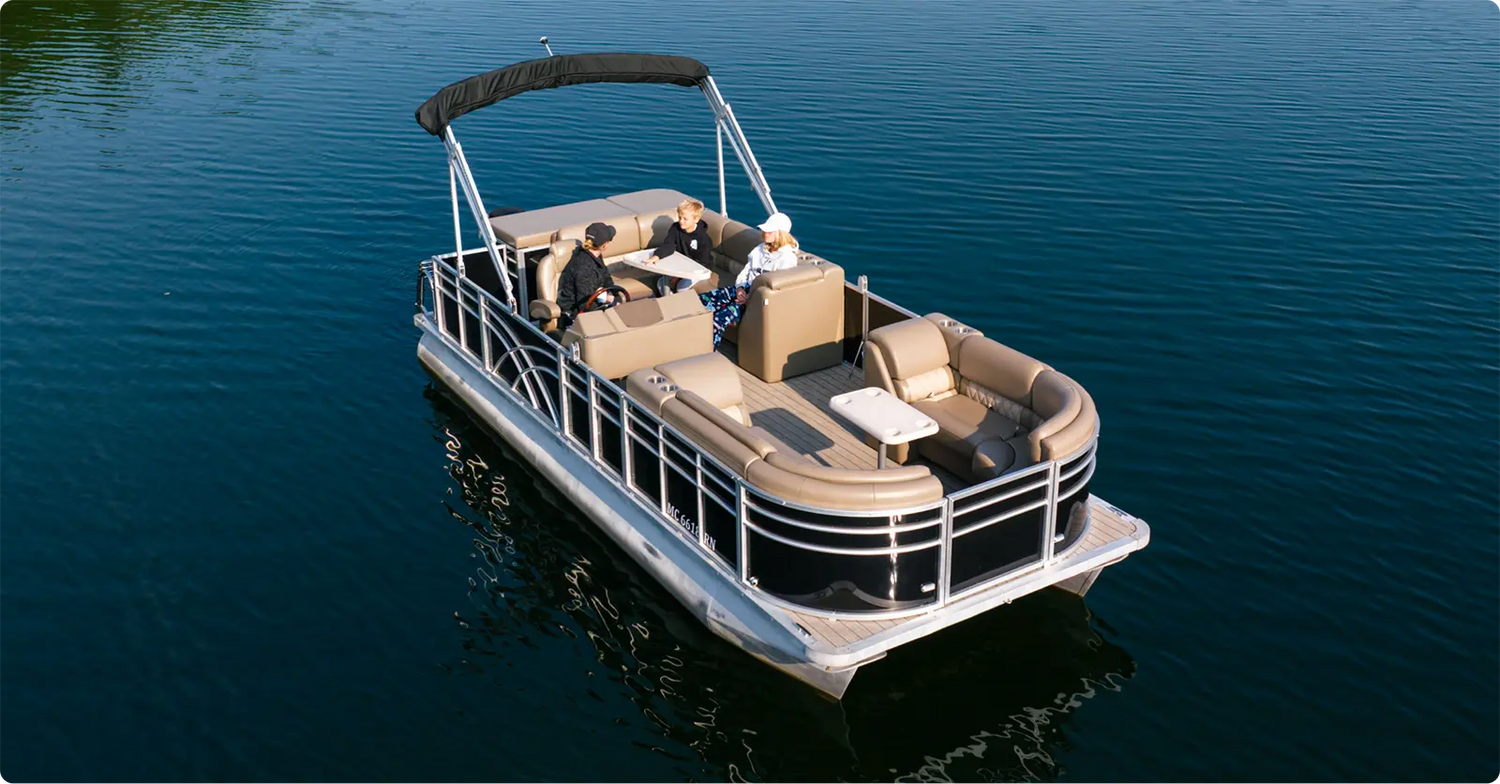
A DIY pontoon boat rebuild might feel intimidating at first, especially if you’ve never taken a boat apart before. Renovating a pontoon is one of the most rewarding ways to get back on the water without the price tag of a brand-new boat. The reality is that most pontoons are built to be serviced and updated over time. If your pontoons and frame are in good shape, the rest of the boat is largely modular and designed to be replaced.
PontoonStuff was built specifically for pontoon restoration projects. We ship the core components, excluding the aluminum pontoons and the motor. You handle the assembly and end up with a pontoon that reflects how you actually use the lake.
This guide breaks down what typically needs to be replaced, which upgrades are worth the investment, and what you can often reuse during a pontoon rebuild.
Should You Restore Your Pontoon or Buy New?
New pontoons are not cheap, and prices keep climbing. For many owners, restoration offers a way to modernize an existing boat without completely starting over. You also get complete control over the layout and features, rather than settling for whatever comes standard.
Planning a DIY Pontoon Boat Rebuild
One of the most common mistakes in DIY pontoon rebuilds comes from tackling components one at a time without considering how they fit together. Flooring affects fencing. Fencing affects furniture placement. Electrical routing depends on when the deck is open.
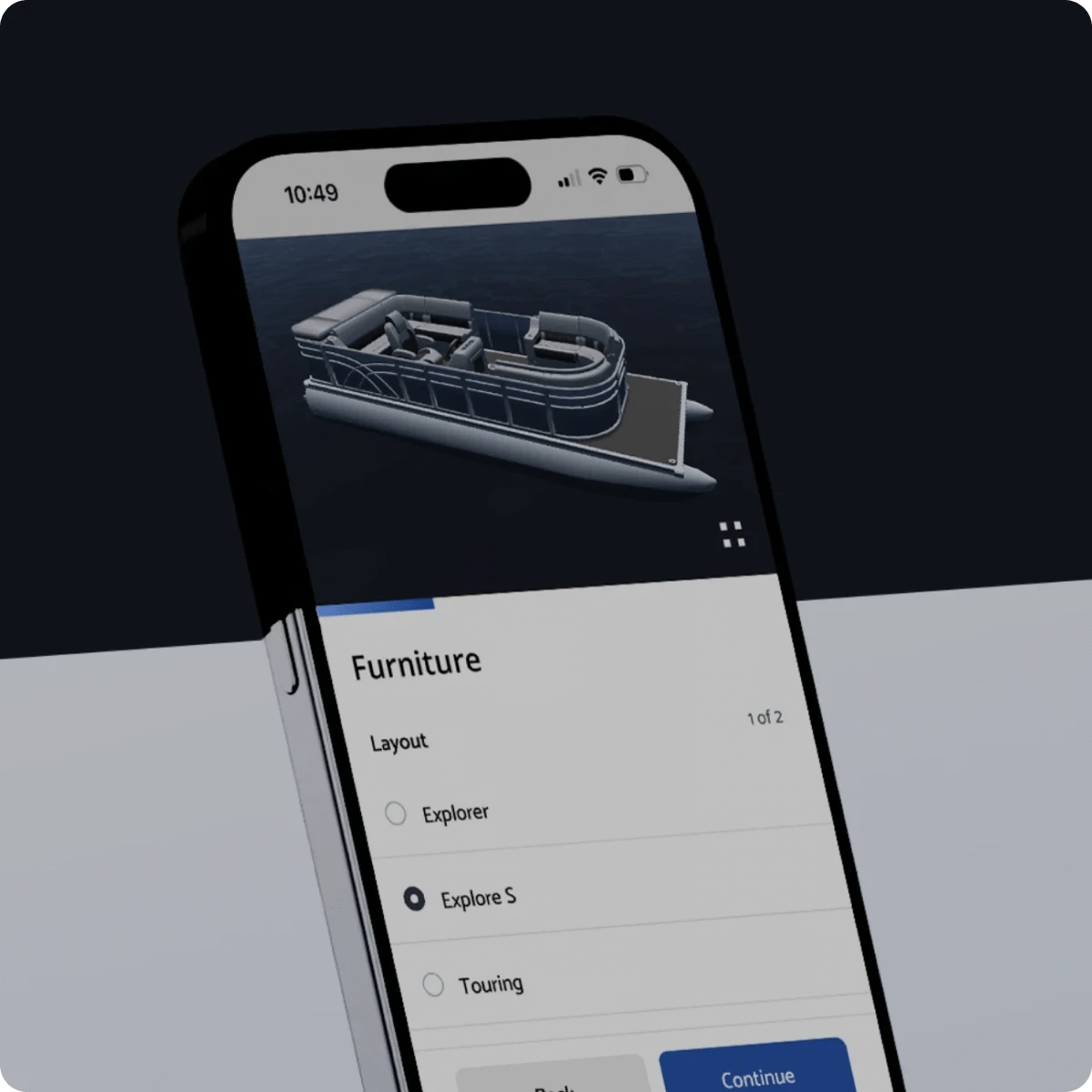
Thinking through the full layout before ordering parts helps avoid rework and unnecessary costs later. Mapping a new layout? Use our deck designer to confirm measurements before you buy.
What to Replace During a Pontoon Renovation
Some components are best replaced during a rebuild, especially once the deck is open.
Flooring & Decking
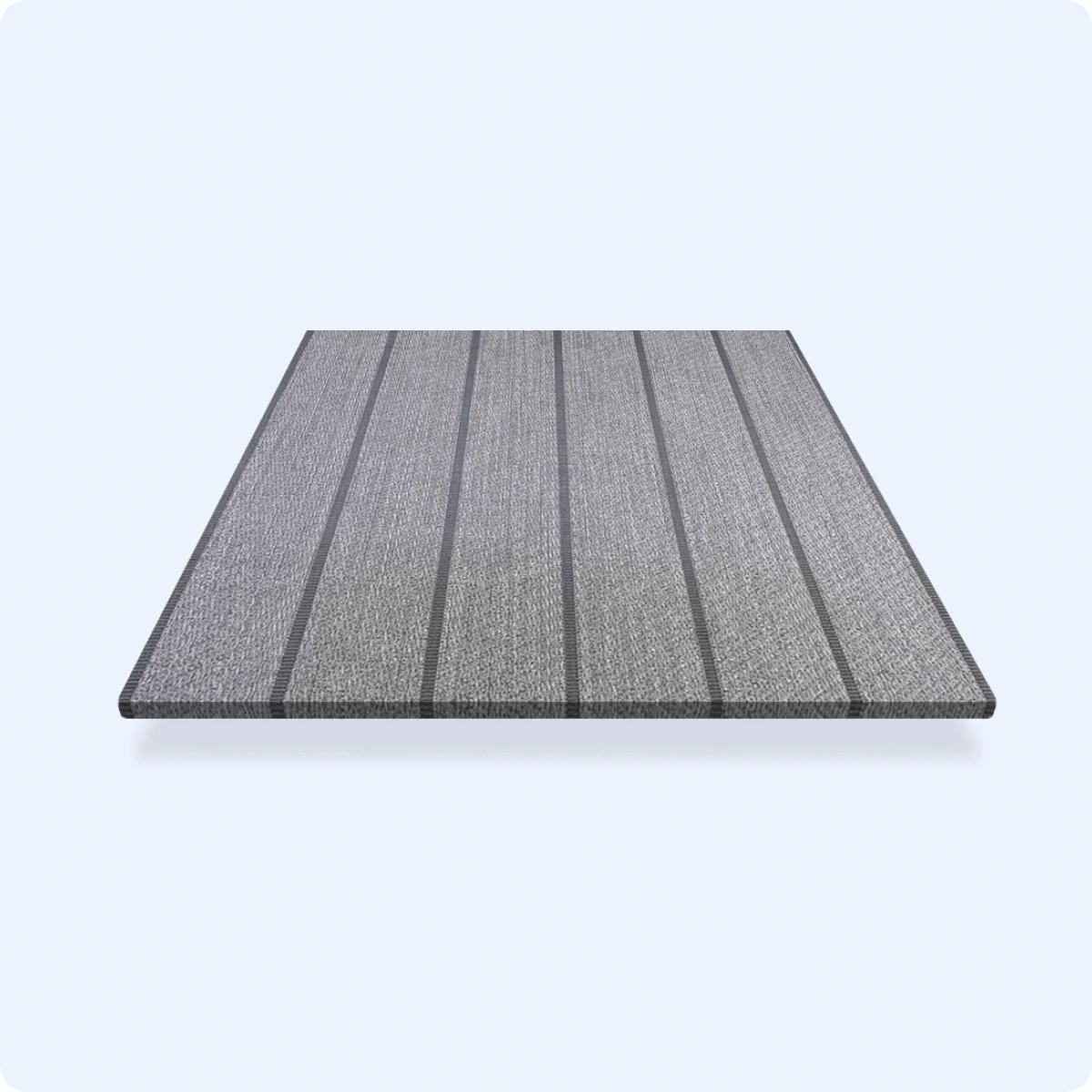
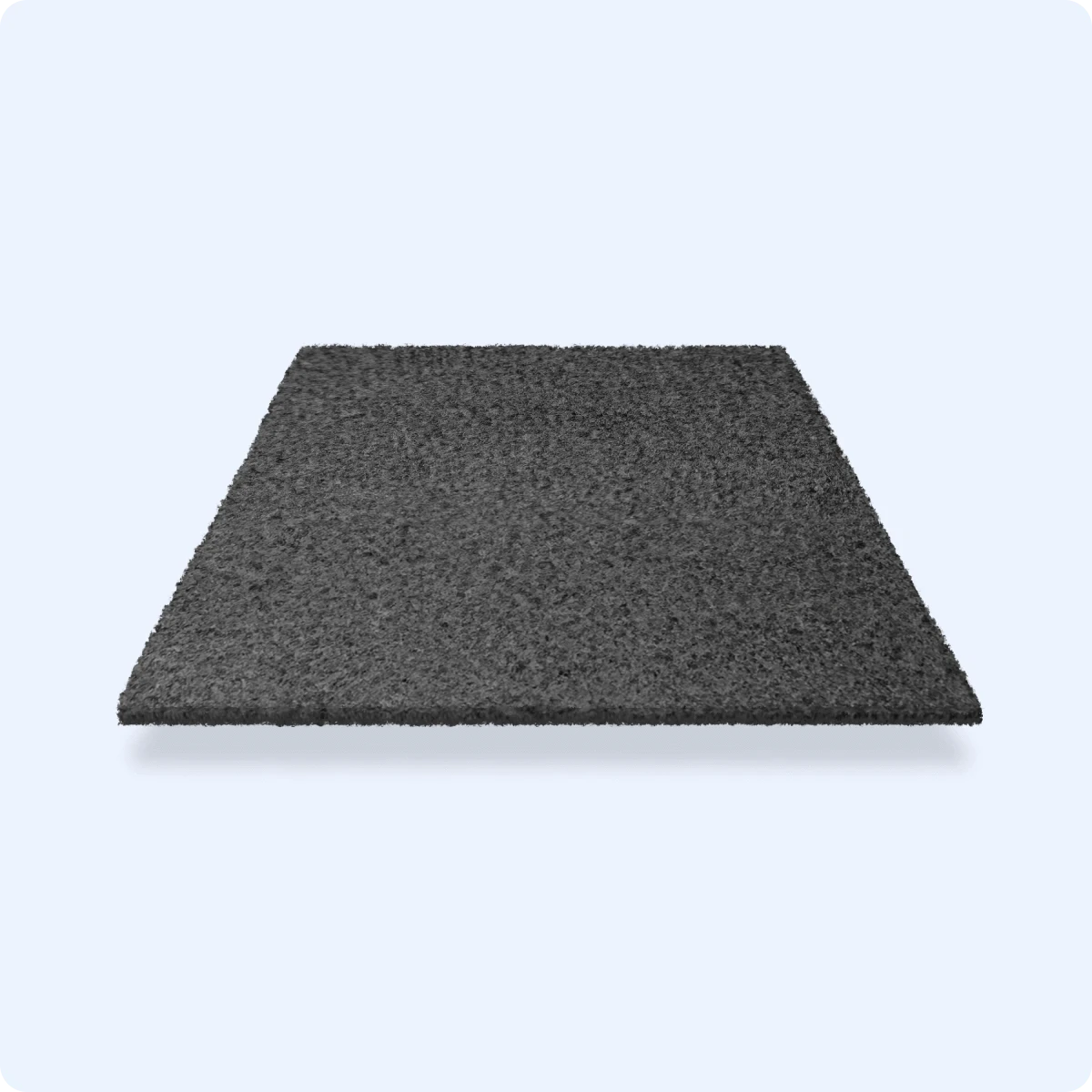
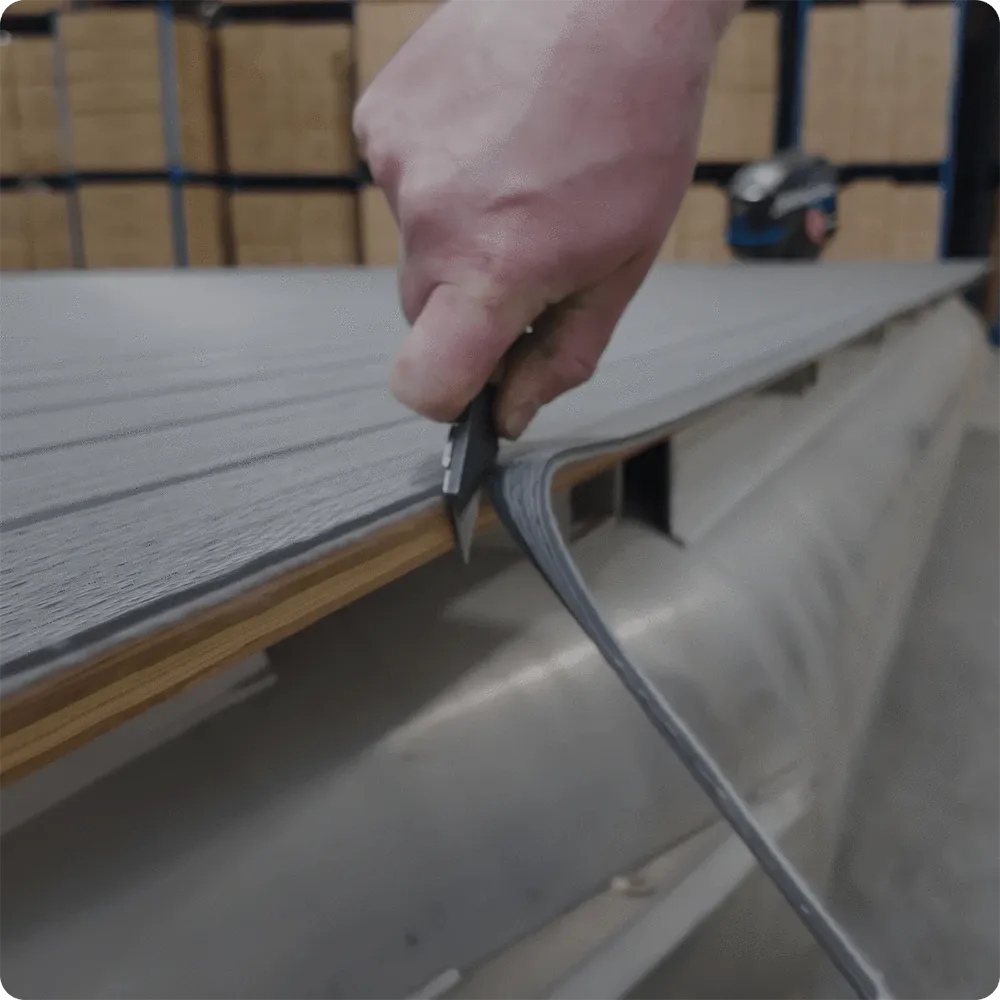
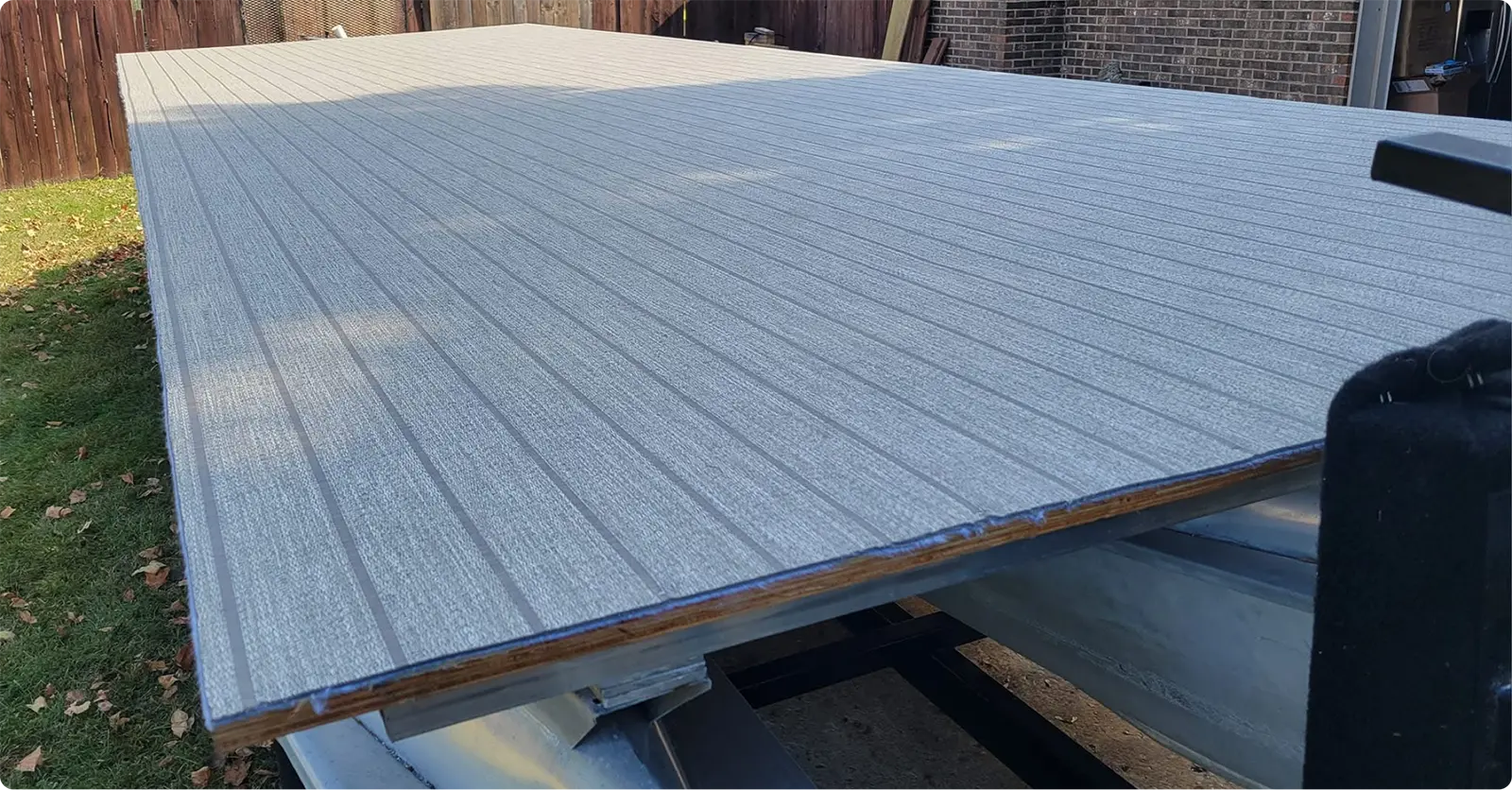
Worn carpet, soft plywood, or water damage are signs it’s time to replace both decking and flooring. Old plywood can rot from the inside out, compromising structural integrity and creating soft spots underfoot. Marine-grade plywood paired with fresh vinyl flooring or carpet provides a solid, water-resistant base for everything that follows. Replacing flooring during a full rebuild is easier and more cost-effective than doing it later.
Railing & Fencing
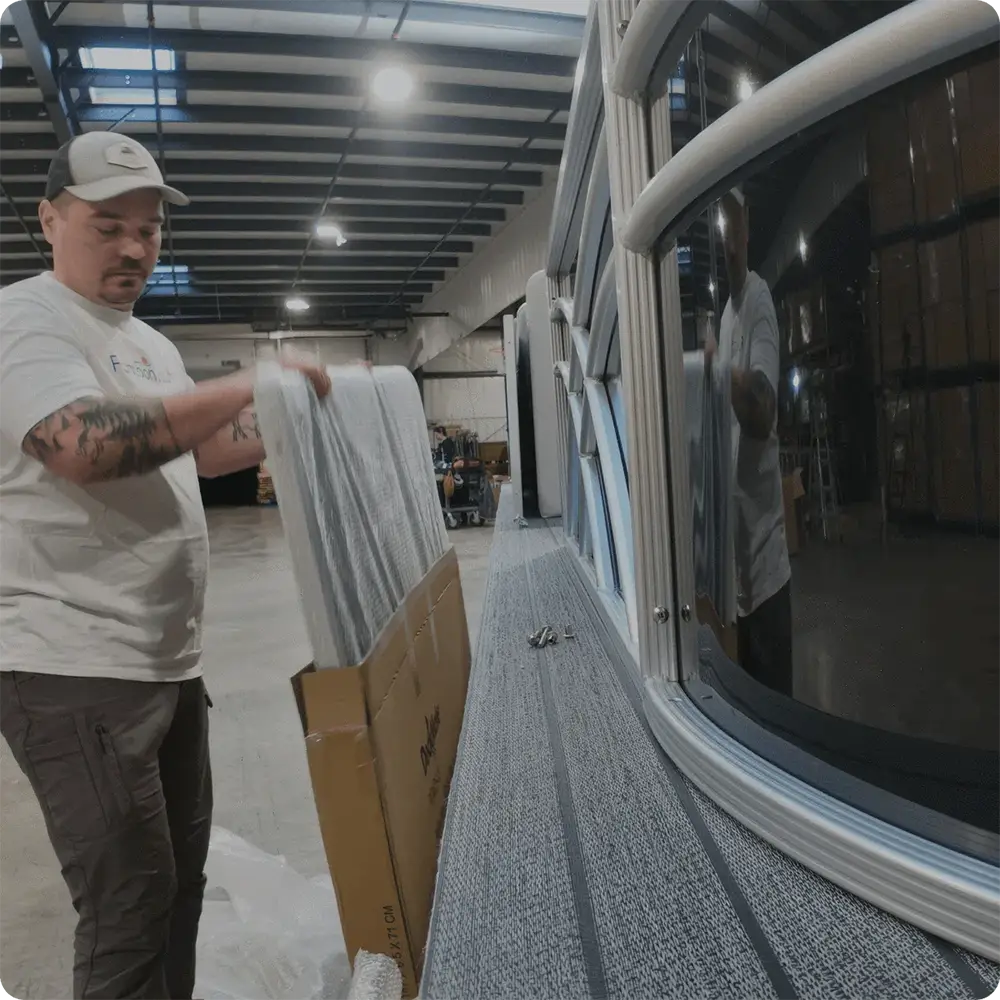
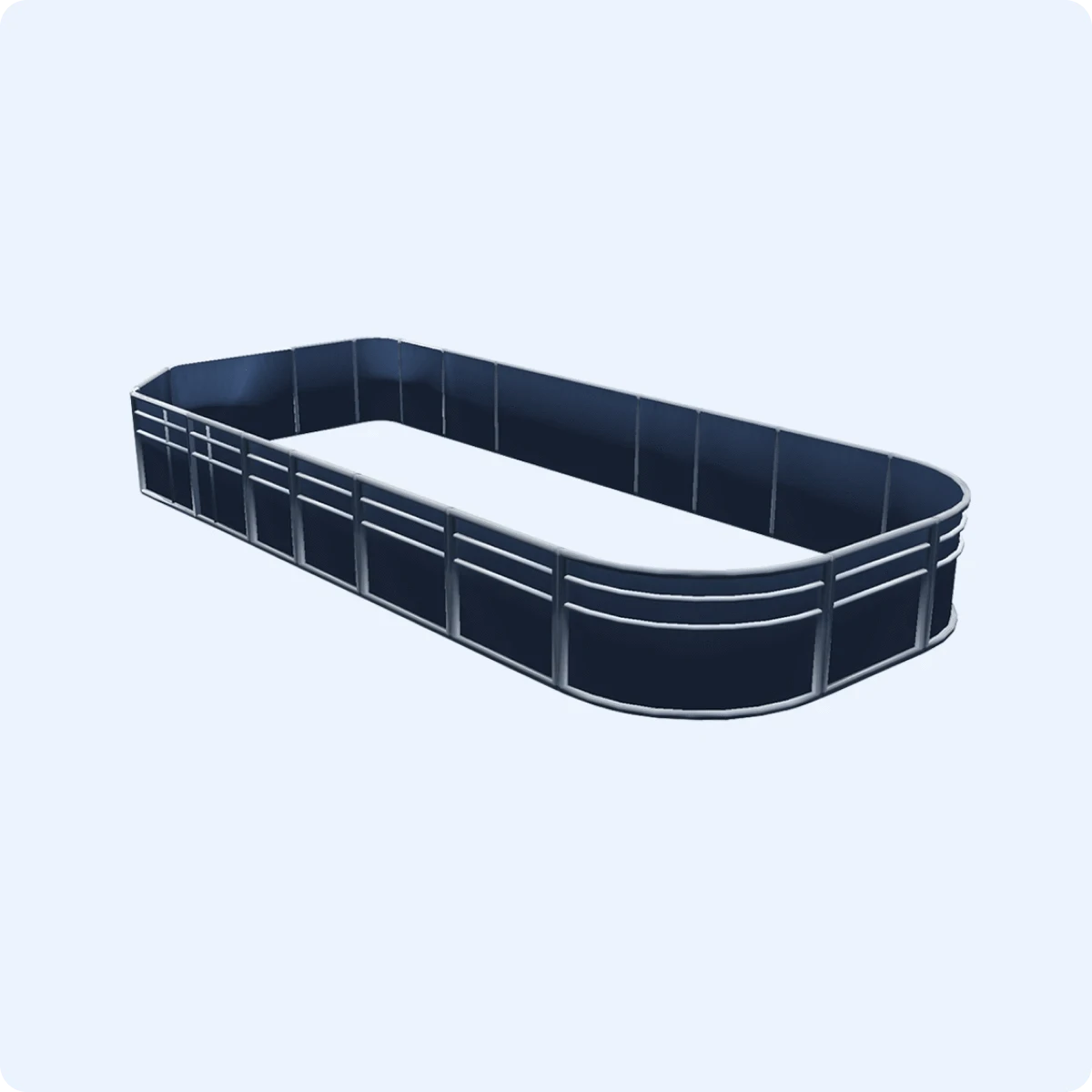
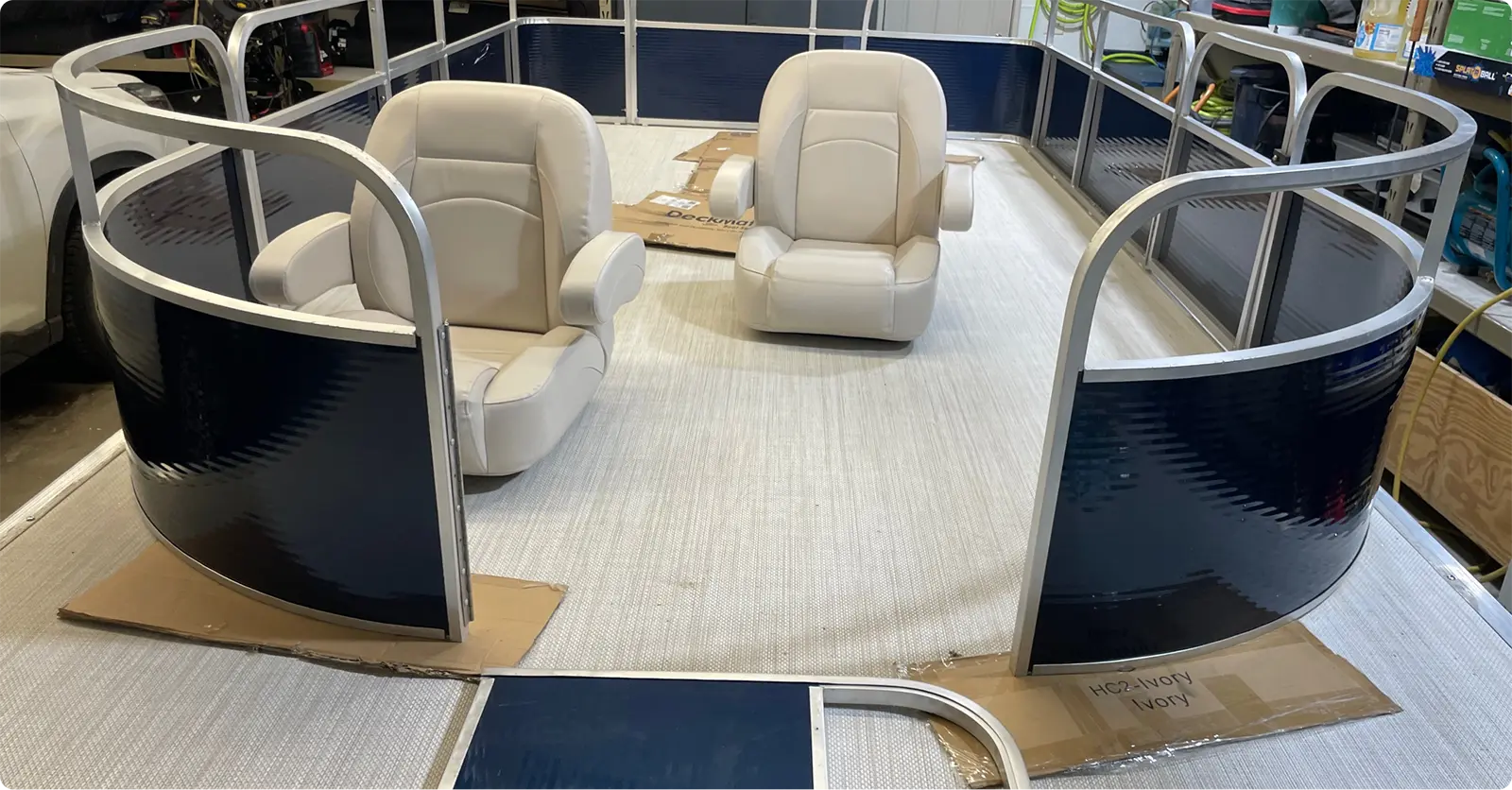
If your railing is bent, corroded, or simply outdated, replacing it transforms both safety and aesthetics. Pontoon boat fencing kits come in multiple styles, allowing you to customize gate placement and rail configuration. New aluminum fencing is lightweight, durable, and won't rust like older steel options. This is also the time to add features like boarding gates or fishing rod holders that integrate directly into the rail system.
Furniture & Seating
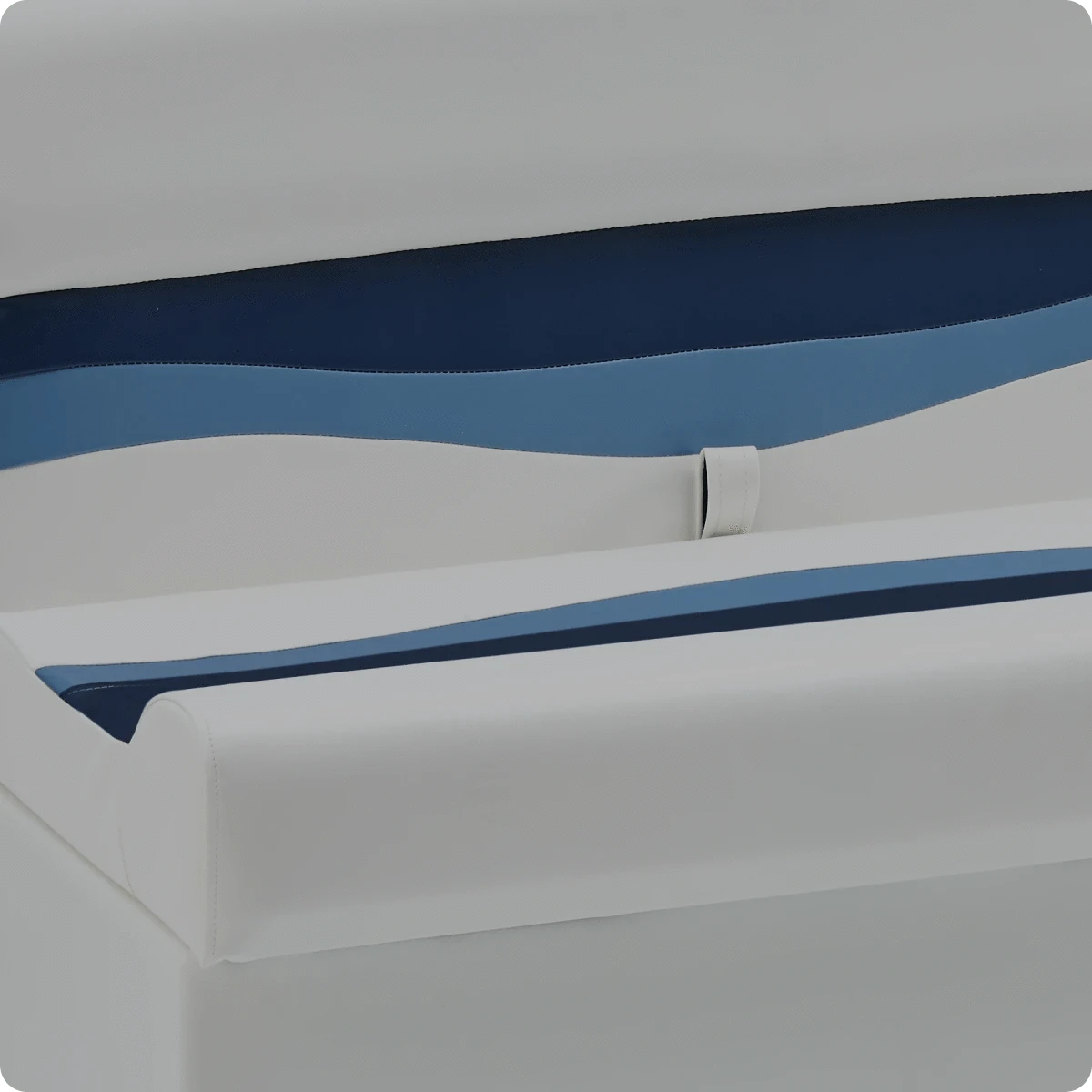
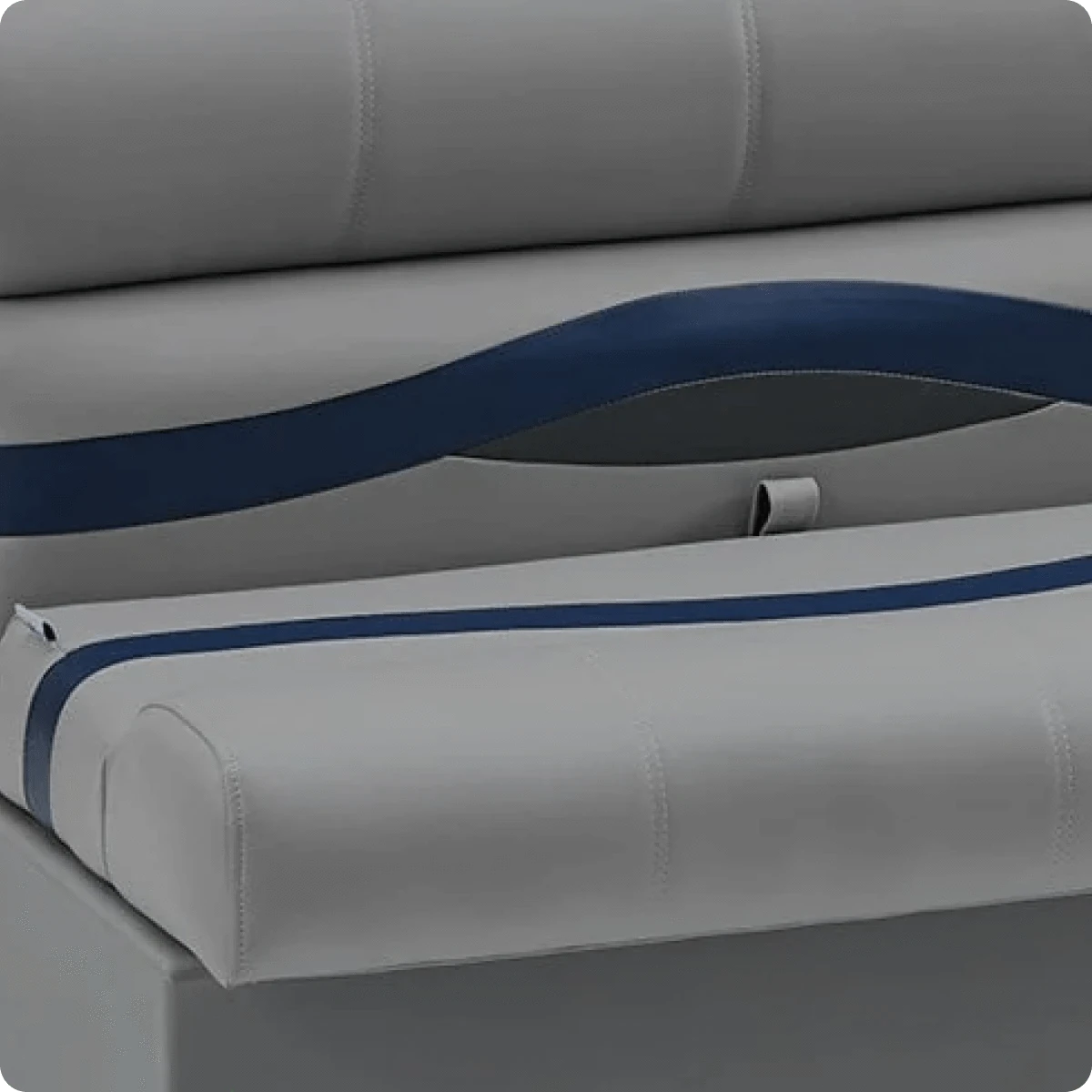
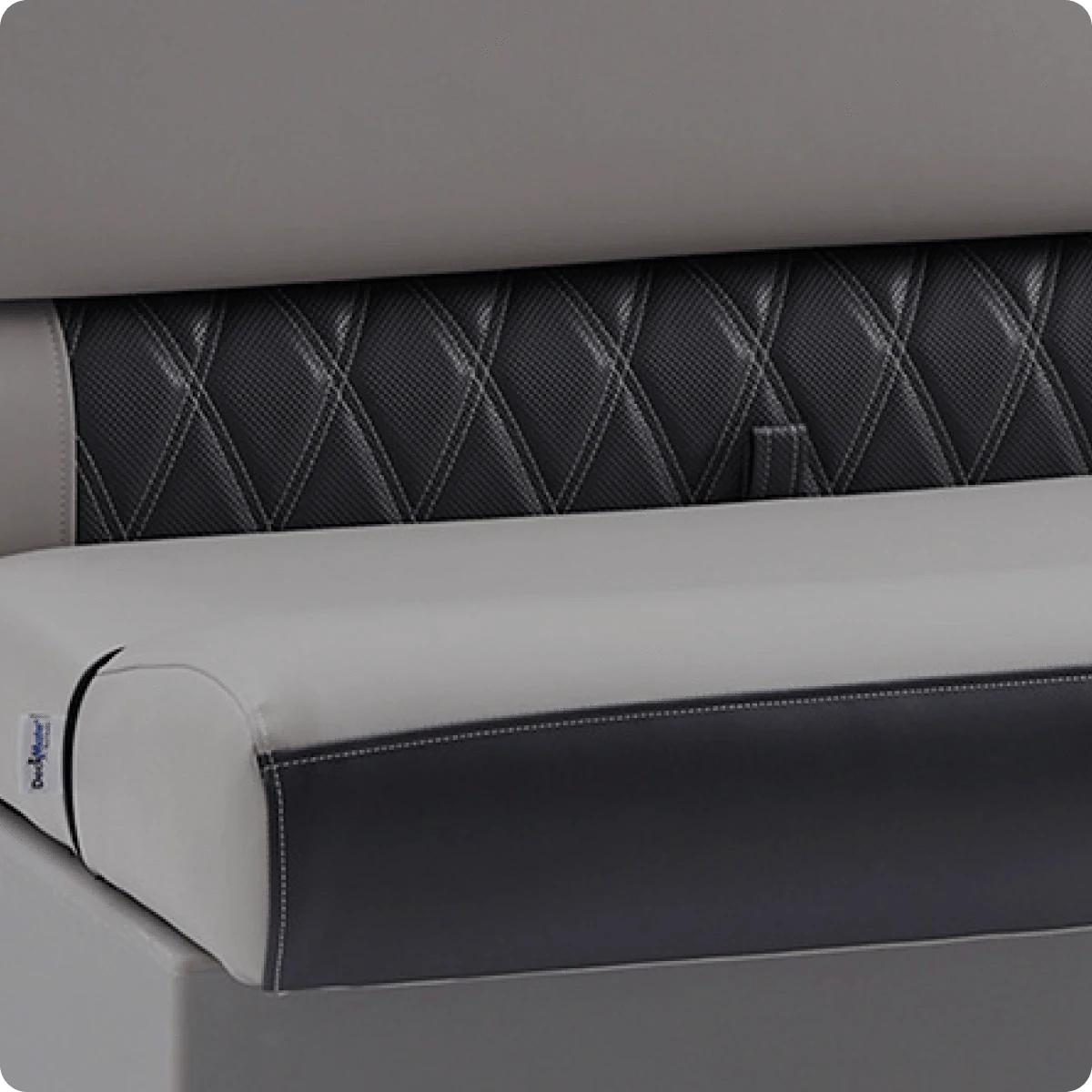
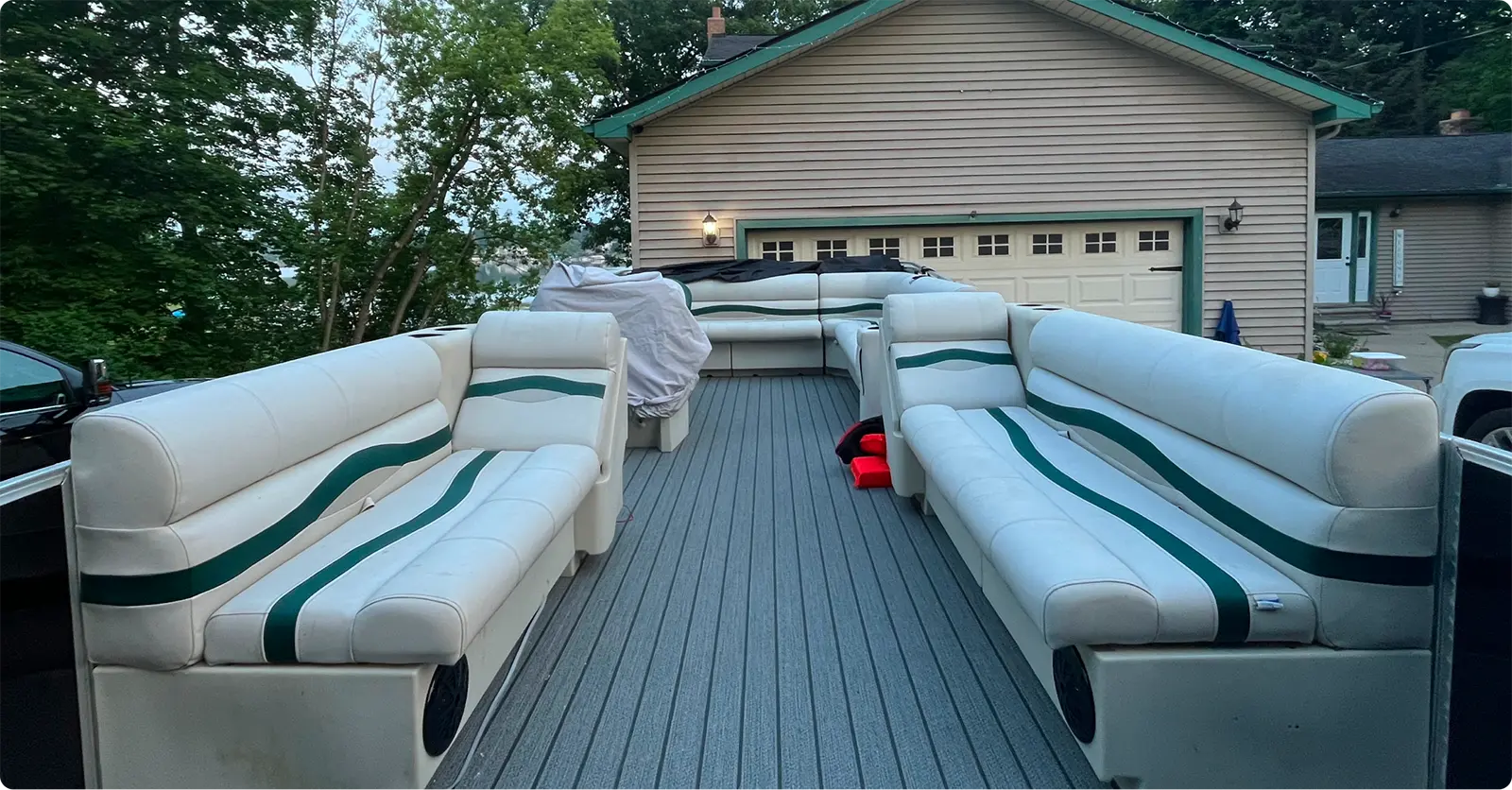
Faded vinyl, collapsed foam, and wobbly seat frames are among the most common reasons owners start a pontoon restoration. Replacing furniture changes the entire feel of the boat. Updated pontoon furniture offers better ergonomics, UV-resistant materials, and modular layouts that adapt to how you use your boat. Lounge seating, fishing seats, or a conversation furniture setup is one of the most noticeable changes.
Electrical
Old wiring can be a safety hazard, especially if it's been exposed to moisture or isn't up to current marine standards. A full rebuild is the perfect opportunity to install a new electrical panel, LED lighting, USB charging ports, and proper circuit protection. Running clean wiring through the deck before flooring goes down saves time and frustration later in the build.
What's Worth Upgrading
Beyond replacing worn components, a few targeted upgrades can noticeably improve how your pontoon functions and feels on the water.
Pontoon Boat Seating and Layout
Even if your current seats are functional, upgrading your layout can completely change how you use the boat. Swivel fishing chairs or L-shaped lounge configurations give you flexibility that factory layouts often lack. Consider how many people you typically have on board and which activities matter most—fishing, cruising, or entertaining.
Electrical Accessories
Modern electrical accessories make your pontoon more functional and comfortable. Add a stereo system, Bluetooth-enabled speakers, navigation lights, or a fish finder. Many DIY rebuilders install a dedicated house battery system to support electronics without draining the starting battery. These electrical upgrades turn a basic boat into a full-featured watercraft.
Bimini Tops and Comfort Upgrades
A quality Bimini top extends your time on the water by providing shade and weather protection. Look for adjustable tops with quick-release hardware that make storage easier. Pair it with storage solutions like under-seat compartments, cup holders, and cooler brackets to maximize usability. These comfort upgrades enhance every trip without adding significant weight or complexity.
What You Can Often Keep
Not every part of your pontoon needs to be replaced. Knowing what can stay helps keep your budget focused on upgrades that actually change the experience.
Solid Pontoons
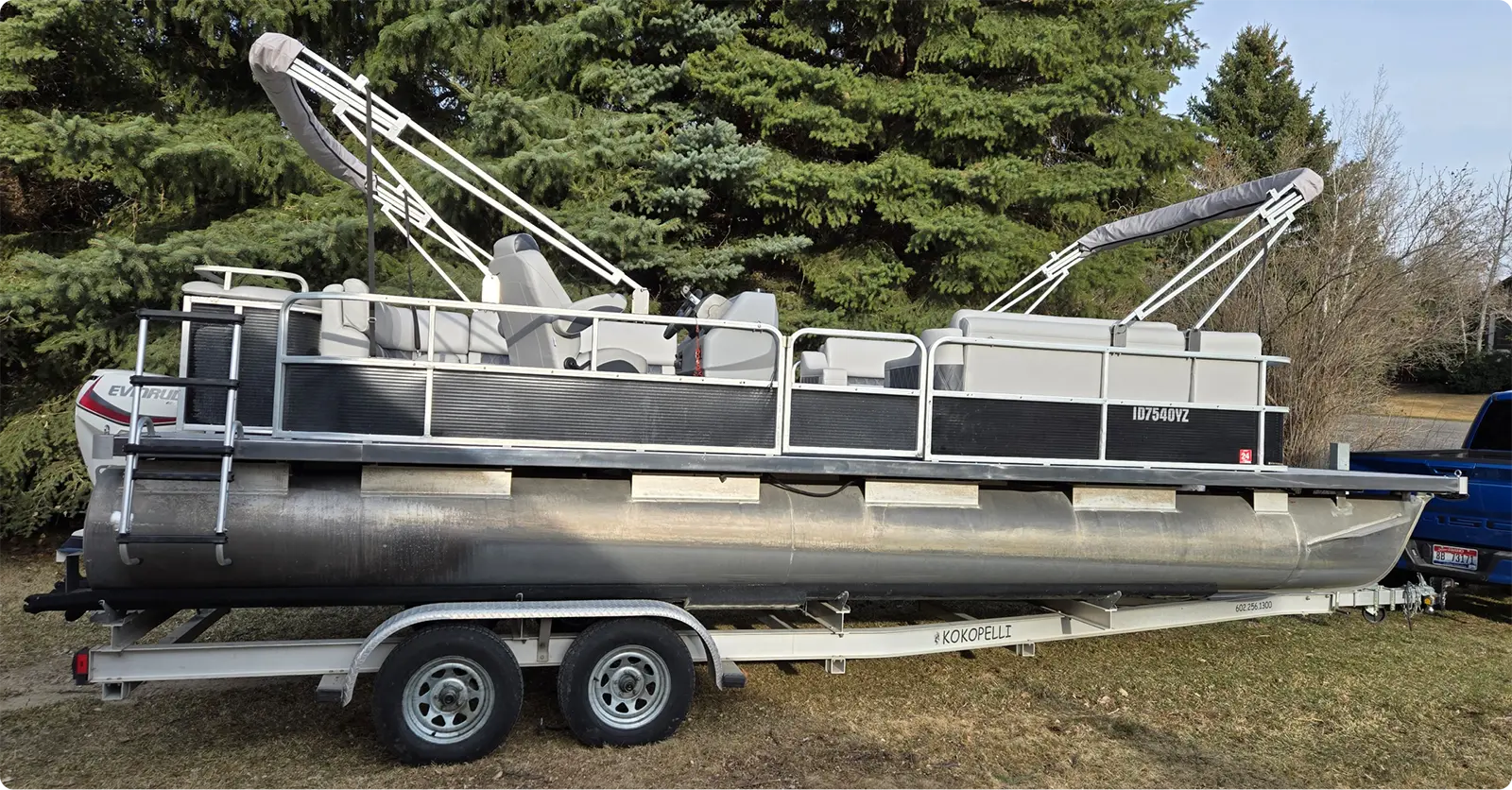
If your aluminum pontoons are sound—no soft spots, major dents, or leaks—there's no reason to replace them. Pontoons are expensive and labor-intensive to swap. Inspect them carefully, pressure-test if needed, and clean them thoroughly. Most pontoons outlast the rest of the boat when properly maintained. The average lifespan of pontoon tubes can exceed 20–30 years with proper care, often outlasting the furniture, flooring, and accessories by a decade or more.
Structural Deck Framing
The aluminum cross-members and longitudinal beams that support your deck rarely need replacement unless they've been damaged in an accident or severely corroded. If the frame is square, rigid, and free of major corrosion, you can rebuild everything else around it. This is often the backbone that makes a restoration project financially viable.
Motor and Steering Components
If your outboard motor runs well and your steering system operates smoothly, keep them. Focus your rebuild budget on visible, high-impact components. Motors can be serviced separately, and steering cables are easy to replace down the road if needed.
Planning a Full DIY Pontoon Boat Rebuild
Full pontoon rebuilds go smoother when the project is planned as a whole instead of tackled in isolated steps.
Pontoon Boat Kits vs. Individual Pontoon Parts
Pontoon boat kits are often the easiest option for full rebuilds because compatibility is already accounted for. Flooring, fencing, furniture, and hardware are designed to work together, which simplifies both ordering and installation.
If you’re only replacing select components or building a custom layout, sourcing individual parts may make more sense. The right approach depends on how extensive your rebuild is and how much customization you want.
Visual Planning Tools and Inspiration
Before ordering parts, sketch your layout or use digital planning tools, like PontoonStuff's deck designer. Measure twice, order once. Browse completed restoration projects for layout ideas and material combinations that work. Many DIYers find inspiration in online forums or YouTube builds, then adapt those ideas to their specific boat size and usage. Planning upfront prevents costly mistakes and helps you visualize the finished product.
Ready to Start Your Pontoon Restoration?
A DIY pontoon boat rebuild is an investment in both your boat and your time on the water. Replacing a few worn parts or planning a complete overhaul, PontoonStuff offers the parts, kits, and tools designed for DIY rebuilders.
Browse our selection of restoration kits, decking materials, pontoon furniture, and accessories, or use the deck designer to map your layout before ordering. If you need help planning your build, our team is available to guide you through the process.