


Buying Guides
Fishing Pontoon Boat Guide
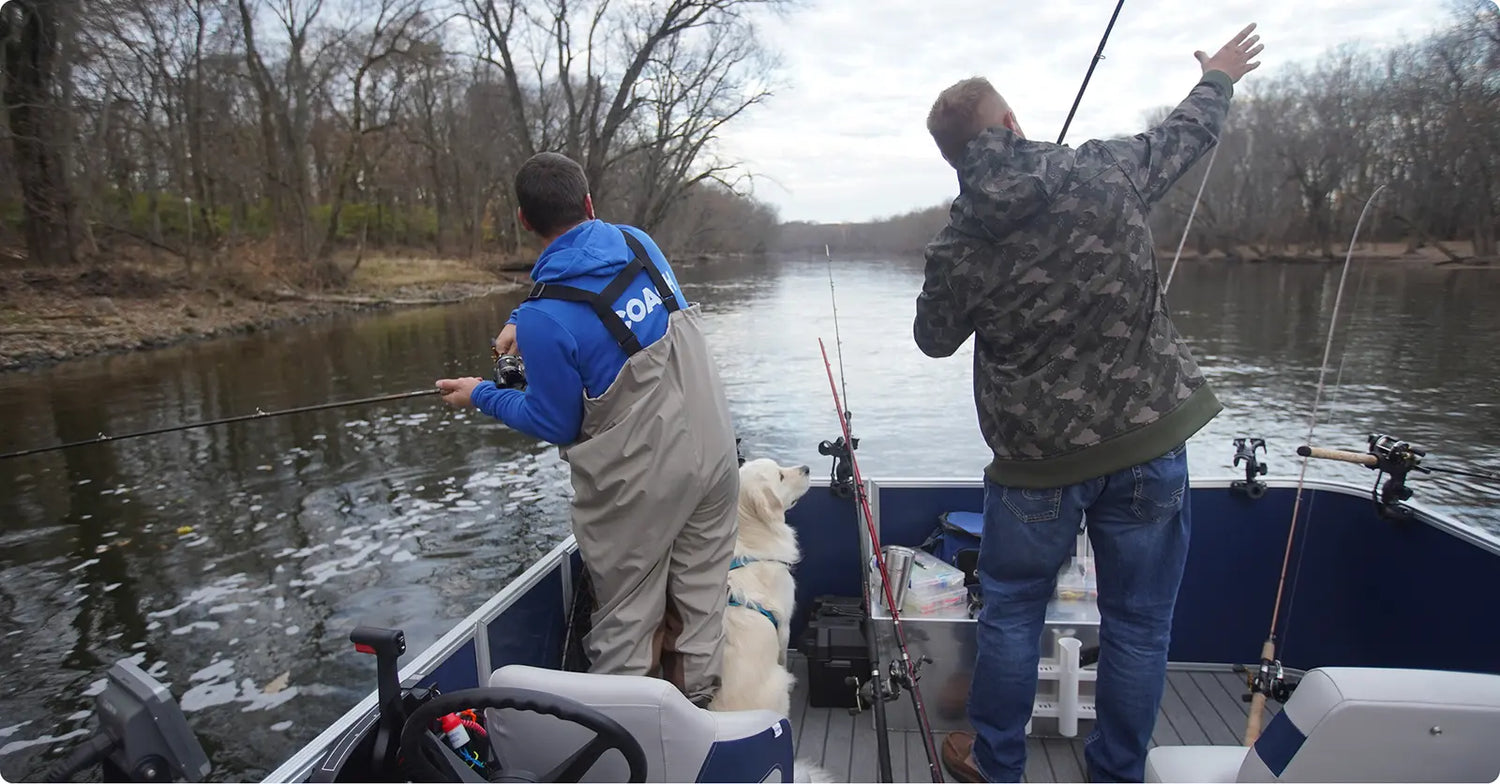
Pontoon fishing boats give anglers space to cast, move around, and stay comfortable for hours without feeling cramped. For many, fishing from a pontoon boat is the sweet spot between a traditional fishing rig and a relaxed day on the water.
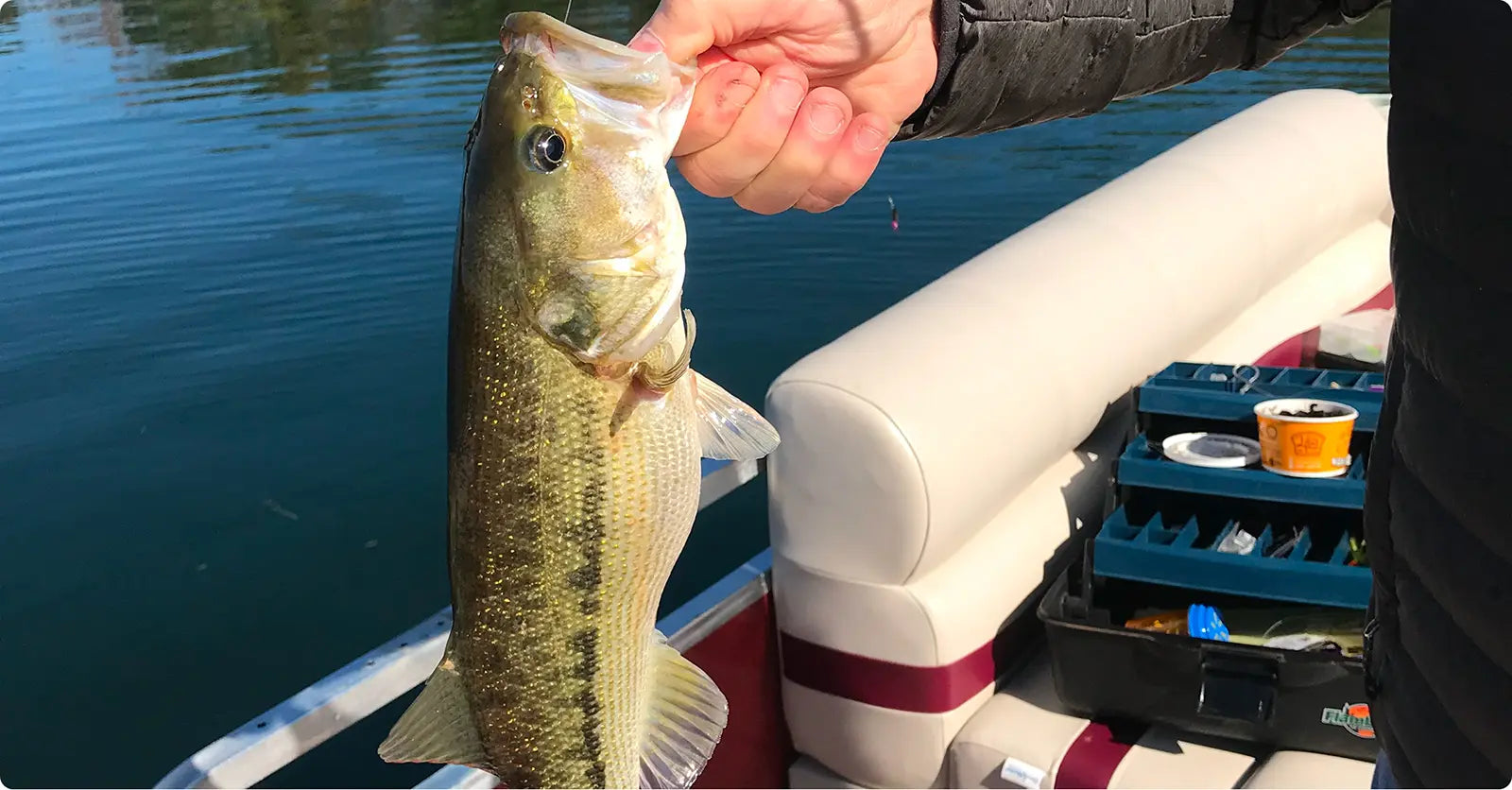
What Is a Fishing Pontoon Boat?
A fishing pontoon is a pontoon specifically built or set up to make fishing easier with angler-friendly layouts and features like open casting zones, fishing seats, rod and tackle storage, and (sometimes) livewells or trolling motor support.
It’s best for anglers who want a stable, roomy platform for long days on the water, especially when fishing with family, friends, or kids.
Common fishing-focused features include:
- More usable casting space at the bow or stern.
- Rod storage and tackle organization options.
- Livewell or bait features on some models.
- Deck flow that keeps walkways open.
If you plan to upgrade over time, also check for trolling-motor or electronics compatibility and storage options that keep walkways clear.
Pontoon vs. Tritoon Pontoons for Fishing
If you fish calm lakes with a light crew, a classic two-toon pontoon can be a great, budget-friendly fishing platform. It’s typically easier to tow, store, and launch, and it does the job well when you're not loading the deck with extra people and gear.
A three-toon (tritoon) adds a center tube, which usually means a steadier feel when the wind picks up or people start moving around. If you fish in bigger waters or plan to build out your rig over time, tritoons often feel more confident and predictable.
Fishing Pontoon vs. Bass Boat vs. Jon Boat for Fishing
Pick the boat that matches how you actually spend your day on the water over the one that looks coolest at the ramp.
A pontoon beats a bass boat when you want comfort + space. It’s stable, group-friendly, and perfect for days when you want to fish for a bit and cruise for a bit.
A bass boat beats a pontoon when you want speed + efficiency. You’ll cover more water, reach shallow spots more easily, and have a clean, casting-first layout.
A Jon boat beats both when you want simple + cheap + shallow access. Easy to launch, easy to store, and fewer things to fix.
If a fishing pontoon feels right for you, a few features can make or break your experience on the water.
What to Look for in a Fishing Pontoon Boat? Key Features
The best fishing pontoon boat is the one that fits the way you actually fish. Use these features to separate the real performers from the boats that just look good at the dock.
Fishable Deck Layout
Deck space is what turns a pontoon into a true fishing platform. When the layout is cramped, casting gets tricky, and landing a fish turns into a team effort.
Quick ways to judge the layout before you buy:
- Stand where you’d cast from and practice a few slow casting motions.
- Picture where a net would live so you can grab it without stepping over gear.
- Look for a clear walking path from bow to stern so you can move around with a rod in hand.
- Check gate placement so loading gear doesn’t force awkward shuffling around furniture.
Stability & Size
Generally, a wider, longer deck usually feels steadier, especially when multiple anglers are moving around. However, if you fish small lakes, tight ramps, or want easy towing, small fishing pontoon boats can be a smart match.
Rules of thumb that help:
- More people onboard means you’ll appreciate more length and deck width.
- Windy conditions highlight stability differences quickly.
- If you plan to fish while others lounge, prioritize open casting space over extra furniture.
- If you launch at tight ramps or store/tow often, a smaller pontoon can be easier to manage.
Seating for Casting, Not Just Cruising
Fishing seats are only helpful if they’re placed where you can cast comfortably. Seats that are too tight to rails or jammed into traffic zones get frustrating fast.
Look for seating that lets you:
- Sit higher for visibility when you want it.
- Rotate without bumping rails, fencing, or armrests.
- Keep your working area clear for tackle and net handling.
- Maintain a safe path around the boat.
Flooring That Handles Real Fishing Mess
Hooks, wet shoes, bait water, and sunscreen are all common on a day of fishing. Your deck surface should feel secure underfoot and clean up quickly.
Signs your flooring needs attention:
- Soft spots or bounce when you walk.
- Slick areas that feel sketchy when wet.
- Seams or edges lifting.
- Staining that never really comes out.
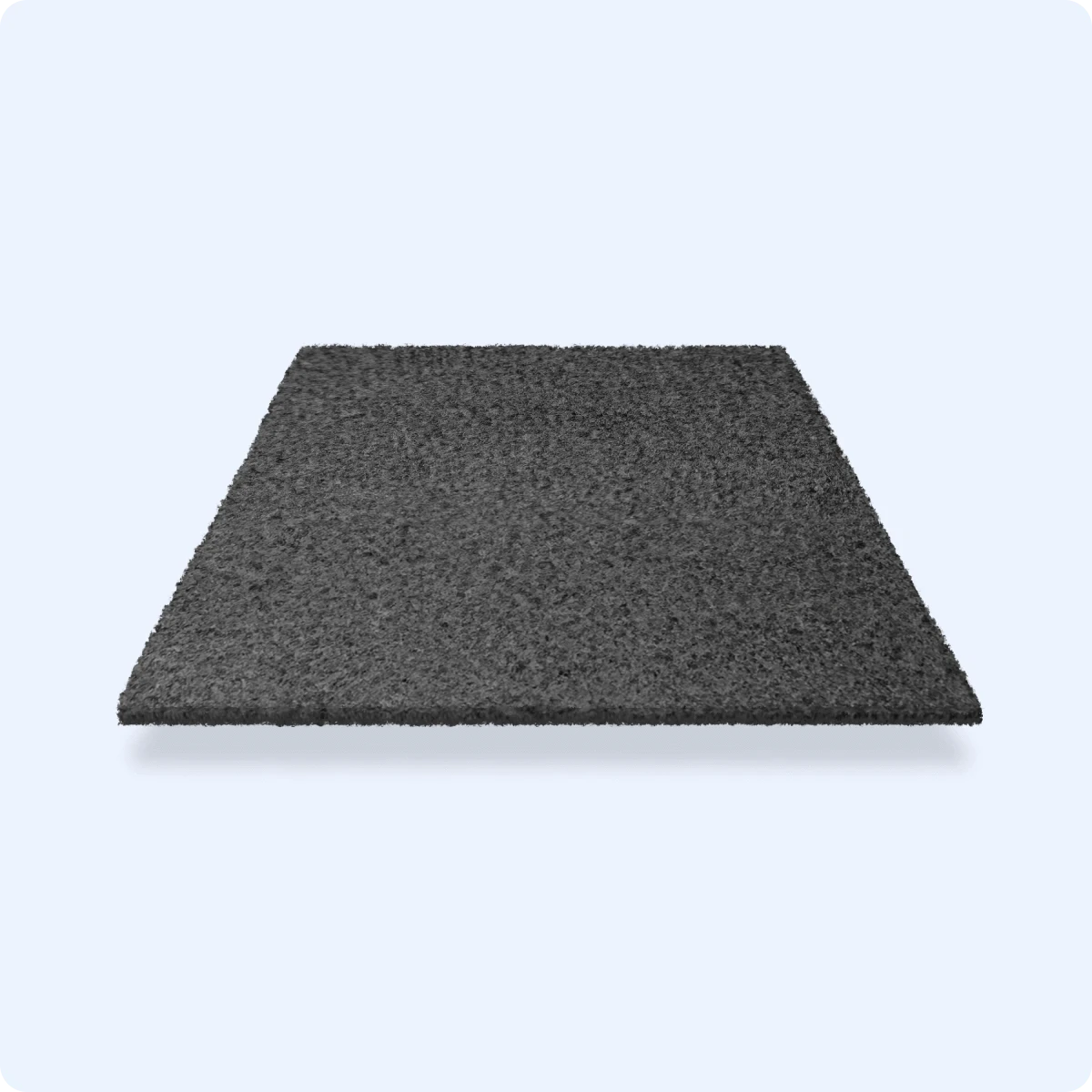
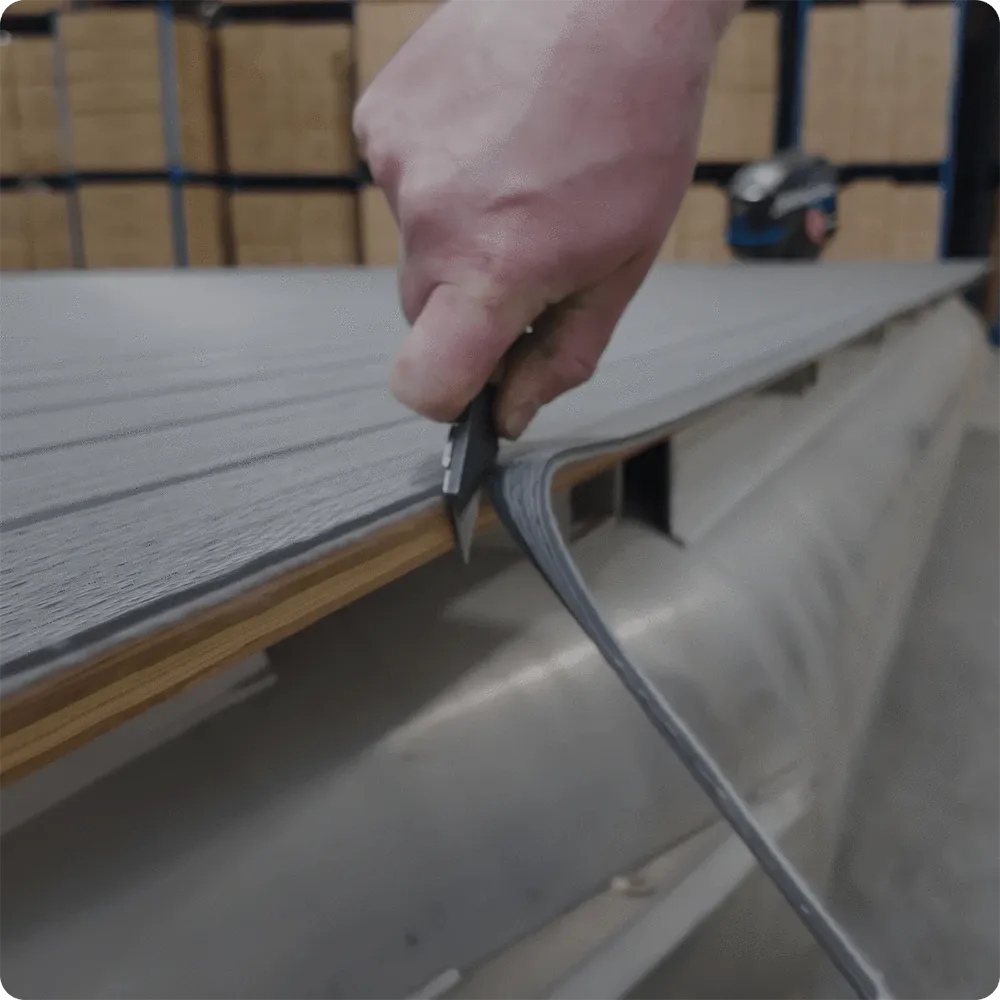
If your deck is telling you it’s tired, a refresh with pontoon flooring kits is one of the biggest upgrades you can make that you’ll immediately notice.
Fencing & Rails That Feel Solid
Fencing affects safety, movement on board, and how comfortable you feel leaning out to net a fish. Loose or damaged rails are a top-priority fix, especially if you fish with kids or guests.
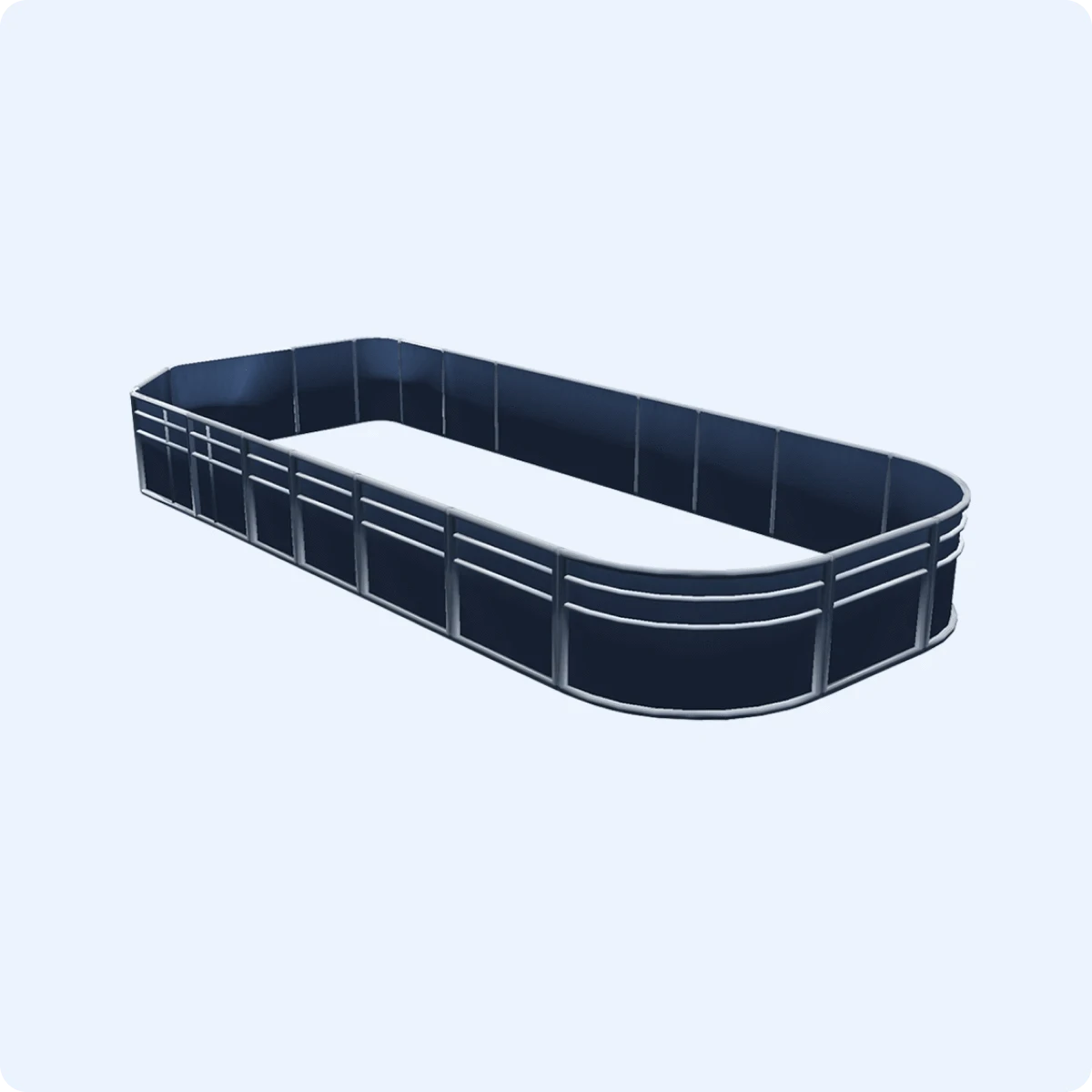
If your rails need a structural reset, pontoon fencing kits help you restore a clean, solid perimeter that feels safe again.
Upgrade Compatibility
Even if you are not adding everything right away, it helps to know that a boat can grow with you. A little planning here saves you from the classic DIY trap where every upgrade creates a new problem.
For example, shade is a practical upgrade that might be overlooked. Bimini tops can make the difference between fishing longer into the afternoon and heading back early.
How Much Do Fishing Pontoon Boats Normally Cost?
Prices for fishing pontoon boats vary a lot based on age, size, motor, condition, and how loaded the fishing package is. New mid-range fishing pontoons cost typically $25,000–$45,000. While used entry-level fishing pontoons cost roughly $8,000–$18,000 depending on age, condition, and motor.
Newer models with upgraded power and integrated fishing systems will cost more. Used boats can be an excellent value, especially if you’re comfortable refreshing the deck, seats, or layout over time.
A practical way to set your budget is to separate the initial boat cost from the setup cost. The setup cost includes the things that turn a platform into a fishable day-on-the-water rig.
Common setup costs to plan for:
- A basic safety refresh: items like life jackets, and courses on safe boating.
- Battery upgrades for electronics or trolling motors.
- Anchoring gear for your typical depth and conditions.
- Storage solutions so rods and tackle don’t take over the deck.
If you’re buying a used pontoon, prioritize inspecting the existing structures (deck, rails, and furniture) before getting distracted by add-ons. A solid foundation is the difference between a fun project and a frustrating money pit.
Do Pontoon Boats Make Good Fishing Boats?
Yes. Pontoon boats make strong fishing platforms because they’re stable, roomy, and comfortable for long days. That space and stability are appreciated when the grandkids keep moving around, your spouse just wants to lay out and read a book, or you want to bring a group of friends out on the water.
Why anglers love fishing pontoons:
- Deck space makes casting, netting, and organizing gear easier.
- Stability is beginner-friendly and works well for groups.
- The layout supports multiple fishing styles in the same trip.
- DIY upgrades are straightforward, making it a great long-term ownership platform.
If you like improving your boat over time, pontoons are a rewarding platform. You can start simple and build toward exactly what you want.
What Are the Essential Accessories for a Fishing Pontoon Boat?
Start with pontoon accessories that improve safety, organization, comfort, and your ability to hold position. That combo makes every trip smoother, even when you can’t find the fish.
Core essentials:
- An anchoring setup that matches your typical depth and conditions.
- A net and a place to store it so it is reachable, but not in the way.
- Tackle organization that keeps the deck clear for walking and casting.
- Sun protection so long trips stay comfortable.
If your boat sits between trips, smart storage and regular pontoon maintenance make everything last longer.
What Fishing Features Can You Add to a Pontoon Boat?
If you’ve tried fishing from a pontoon boat designed mainly for cruising, you’ve probably noticed how fast seats, coolers, and loose gear can crowd your casting lanes.
The good news is that many fishing pontoon boats start with a solid base and get better with a few practical changes.
You can add plenty of features, and the best upgrades are the ones that reduce clutter and improve boat control:
- Rod holders and rod storage solutions.
- Better fishing seat placement and foldable pontoon seating.
- Deck lighting for early and late sessions.
- Electronics such as fish finders and GPS with clean wiring routes.
- Battery storage that keeps weight secure and out of the way.
- Livewell or bait management options that fit your style.
- Trolling motor support if you want precise boat control.
If you’re planning upgrades, browse our pontoon accessories once you’ve mapped your layout.
Fishing Pontoon Boat FAQs
Are Pontoon Boats Good For Saltwater Fishing?
Yes, they can be, as long as you stay consistent with rinsing, corrosion prevention, and upholstery protection. Saltwater is tough on metal, hardware, wiring connections, and vinyl, so your routine matters more than fancy gear.
If you fish brackish or saltwater regularly, take steps to protect your pontoon boat from saltwater damage.
What Size Pontoon Is Best for Fishing?
There’s no one right answer. The best size depends on how many people you bring, where you fish, how you fish, and how much you tow:
- 16-18 ft: good for solo or small group fishing, easier to tow and store.
- 20-22 ft: the most common sweet spot for fishing groups up to five.
Bigger decks give more stability and room to cast; smaller pontoons are often easier to manage at ramps and in storage.
Is a One Man Pontoon Fishing Boat Worth It?
It can be, especially if you fish solo and want a simple, easy-to-handle setup. Just prioritize uncluttered deck flow and built-in storage so gear doesn’t take over your limited space.
Can I Convert a Regular Pontoon into a Fishing Pontoon?
Absolutely, many fishing pontoon boats start as standard pontoons. The main differences will be in how you set up the deck for casting, storage, and boat control. Start by clearing open space where you fish most, then focus on upgrades that reduce clutter and keep gear within reach.