



Keep your pontoon docked year-round with pontoon boat storage best practices: covers, seat care, rinsing, and monthly checks for sun!
Maintenance & Care
Pontoon Boat Storage: Can You Leave a Pontoon Boat in the Water Year-Round?
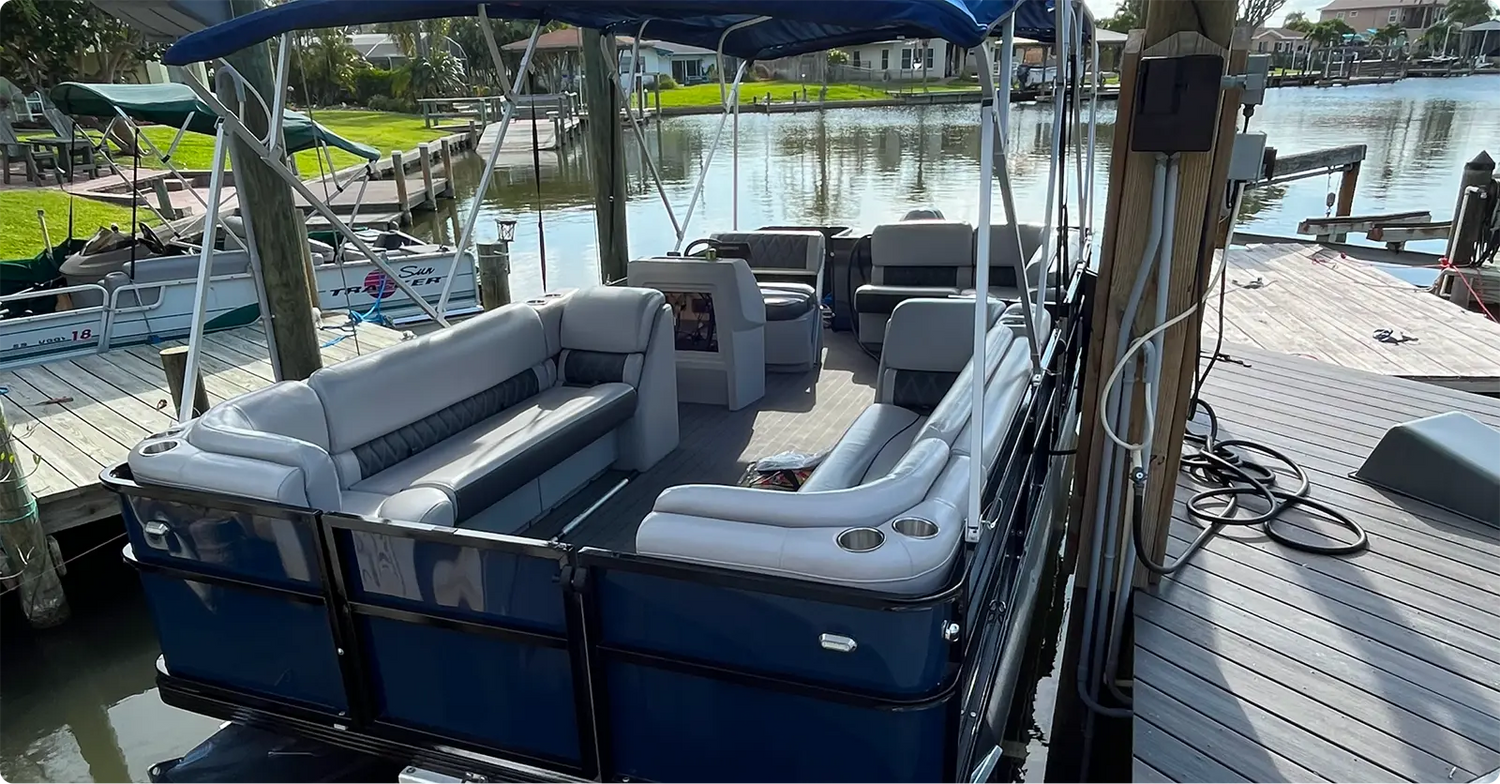
In warmer, nonfreezing climates, boating doesn’t stop when summer ends. If your pontoon stays docked long after others have been stored away, you’re not alone. Many boaters in warm climates skip pontoon boat storage, keeping their boats in the water year-round to take full advantage of mild weather and extended boating seasons.
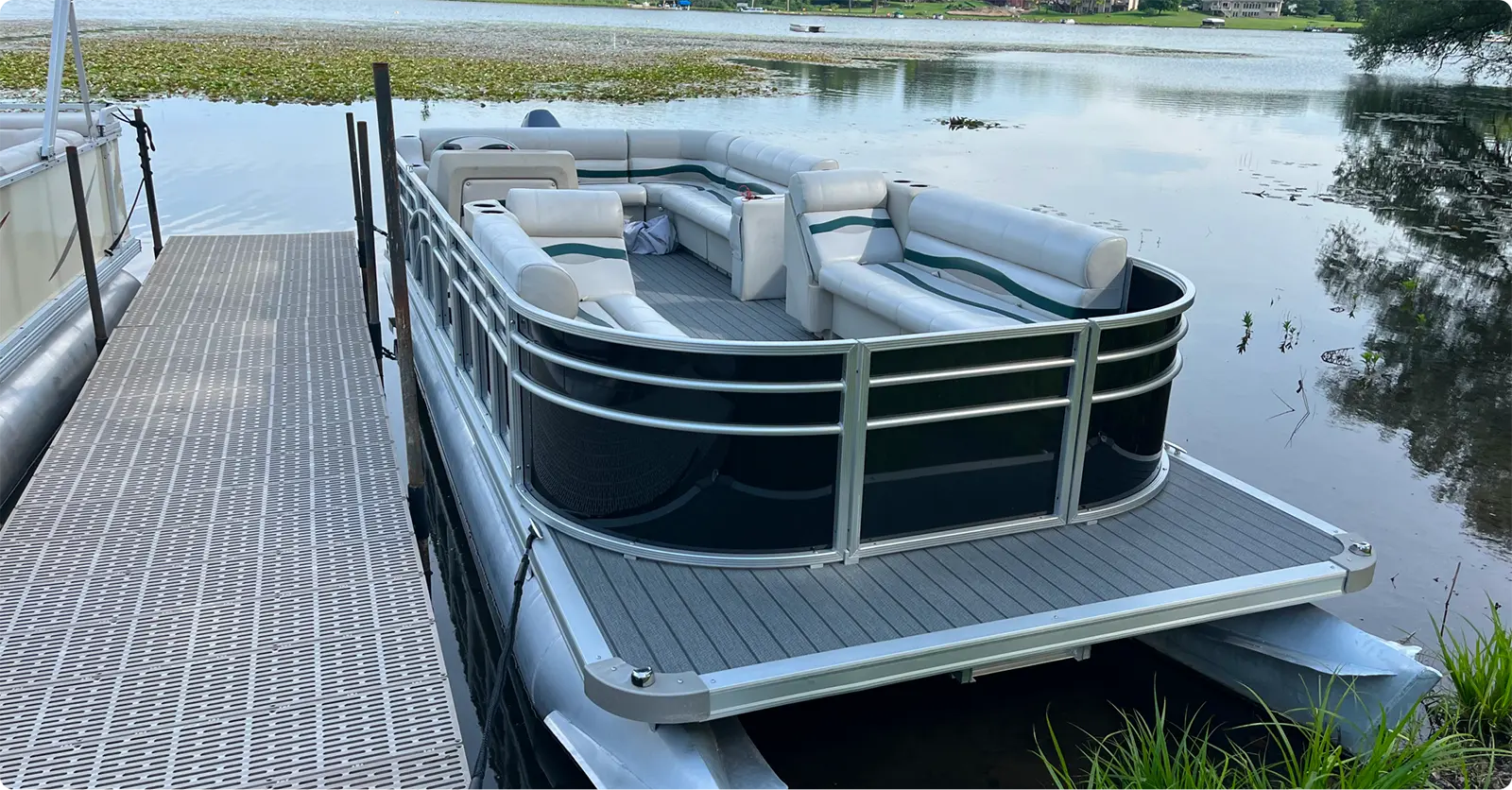
Can a Pontoon Boat Be Left in the Water in Winter?
Yes, you can leave a pontoon boat in the water all year in the right conditions and with the right maintenance routine. In non-freezing climates, some owners skip traditional pontoon boat storage by following a pontoon-specific maintenance routine that protects against sun, moisture, corrosion, and wear. If you’re in saltwater or brackish water, corrosion and marine growth move from “maintenance item” to “top priority.”
If you want the boat to look good, run well, and hold value, your routine has to match the environment it lives in.
What Year-Round Pontoon Boat Storage Involves
Year-round pontoon boat storage means keeping your boat docked or moored in the water through every season. If you live in a climate that doesn’t experience freezing temperatures, pulling the boat out for winter storage might seem unnecessary.
However, staying in the water comes with other challenges you’ll need to manage regularly. Your pontoon is exposed to constant sun, moisture, and marine life. Over time, this can lead to major problems. These are preventable, but only with the right storage strategy.
The Risks of Leaving a Pontoon in the Water
Choosing to keep your pontoon docked full-time can lead to several issues if you don’t stay on top of care. These include:
Marine Growth
Barnacles and algae can add drag, stain aluminum, and create long cleaning sessions. Growth also clings to transducers, intakes, ladders, and underwater lighting. This buildup reduces performance and shortens the lifespan of your pontoons.
Weather Exposure
Even in warmer regions, heavy rain and high winds can damage boats that aren’t secured or covered properly (a bimini top is not going to cut it here).
System Failure from Disuse
If you’re not using your boat every week, batteries can drain, fuel can go stale, and corrosion can creep into connections. These problems don’t mean you have to pull your pontoon out. They just mean your storage plan needs to be smarter.
How to Protect a Pontoon Boat Stored on the Water
If you want to keep your pontoon boat in the water all year, follow these steps to keep it clean, dry, and running strong.
Use a High-Quality Pontoon Boat Cover
A properly fitted pontoon cover is one of the best investments you can make if keeping your pontoon on the water year-round. It's your first line of defense against sun, rain, debris—and even animals.
A cover can be your best defense, but it can also cause problems if it doesn’t fit right. For in-water storage, breathability and support matter as much as water resistance. For pontoon boat covers while docked, look for features like:
- A tailored fit: Wind is hard on fabric. In breezy areas, a loosely secured pontoon cover can rub against fencing and rails, tear at corners, and wear through.
- Venting to help moisture escape: If the cover seals moisture inside, you’ll fight mildew. Venting, support poles, and a good fit help keep air moving.
- Strong reinforcements at stress points that support the cover to prevent pooling: Pooling water stretches fabric, stresses seams, and can create a damp interior that hurts upholstery. You want rain to roll off, not collect and pool.
- Marine-grade fabric with UV resistance and water repellency: If you’re not covering the full deck, at least cover your boat seats! Durable boat seat covers prevent UV cracks and keep bird droppings and moisture off your upholstery. Shop pontoon docking and storage accessories made for everyday dockside use.
Rinse After Every Outing
Saltwater boaters especially need to rinse the entire boat with fresh water after each use. Focus on:
- Pontoons and lower units
- Railings, hinges, and deck hardware
- Any exposed wiring or battery terminals
Even if you boat in freshwater, rinsing reduces mineral and dirt buildup that can dull finishes and harm surfaces over time.
Set a Cleaning Schedule You’ll Actually Follow
In many warm regions, quick wipe-downs don’t cut it. Expect to:
- Rinse and wash the waterline often to reduce staining
- Remove growth early before it hardens
- Check underwater accessories for buildup
Many owners plan a monthly inspection, then adjust based on how fast growth shows up at their dock.
Don’t Ignore the “In-Between” Areas
Growth and corrosion like hidden spots: under the deck edge, around brackets, near the motor mount, and behind swim ladders. Add these to your walk-around checks.
Inspect and Maintain Electrical and Sacrificial Systems
Docked storage increases corrosion risk, especially in salt or brackish water, so regular inspection is important.
Also check:
- Shore power connections for corrosion
- Battery terminals for buildup
- The battery charge level if your boat sits idle
- Disconnect the battery or install a maintainer if you won’t use the boat for extended periods
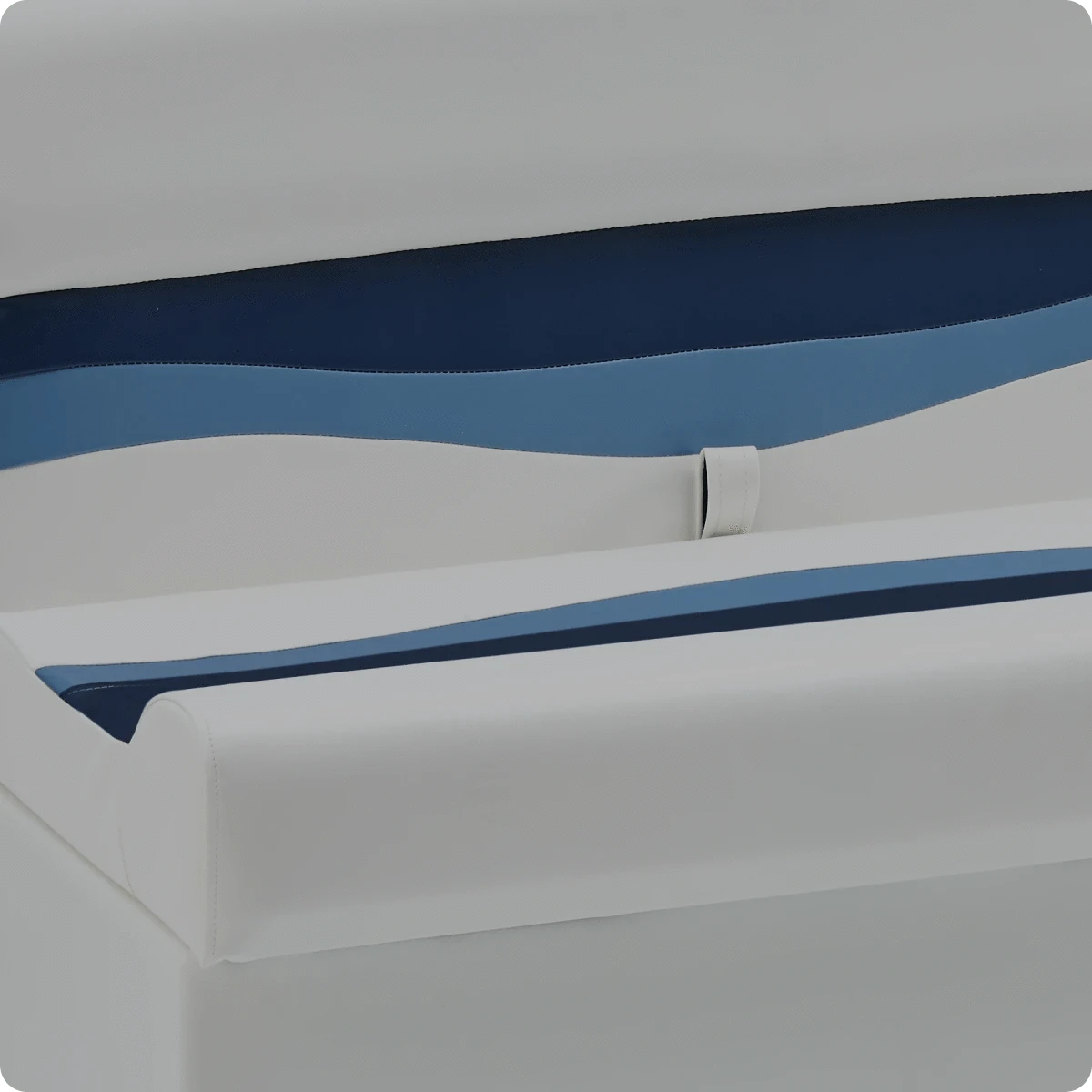
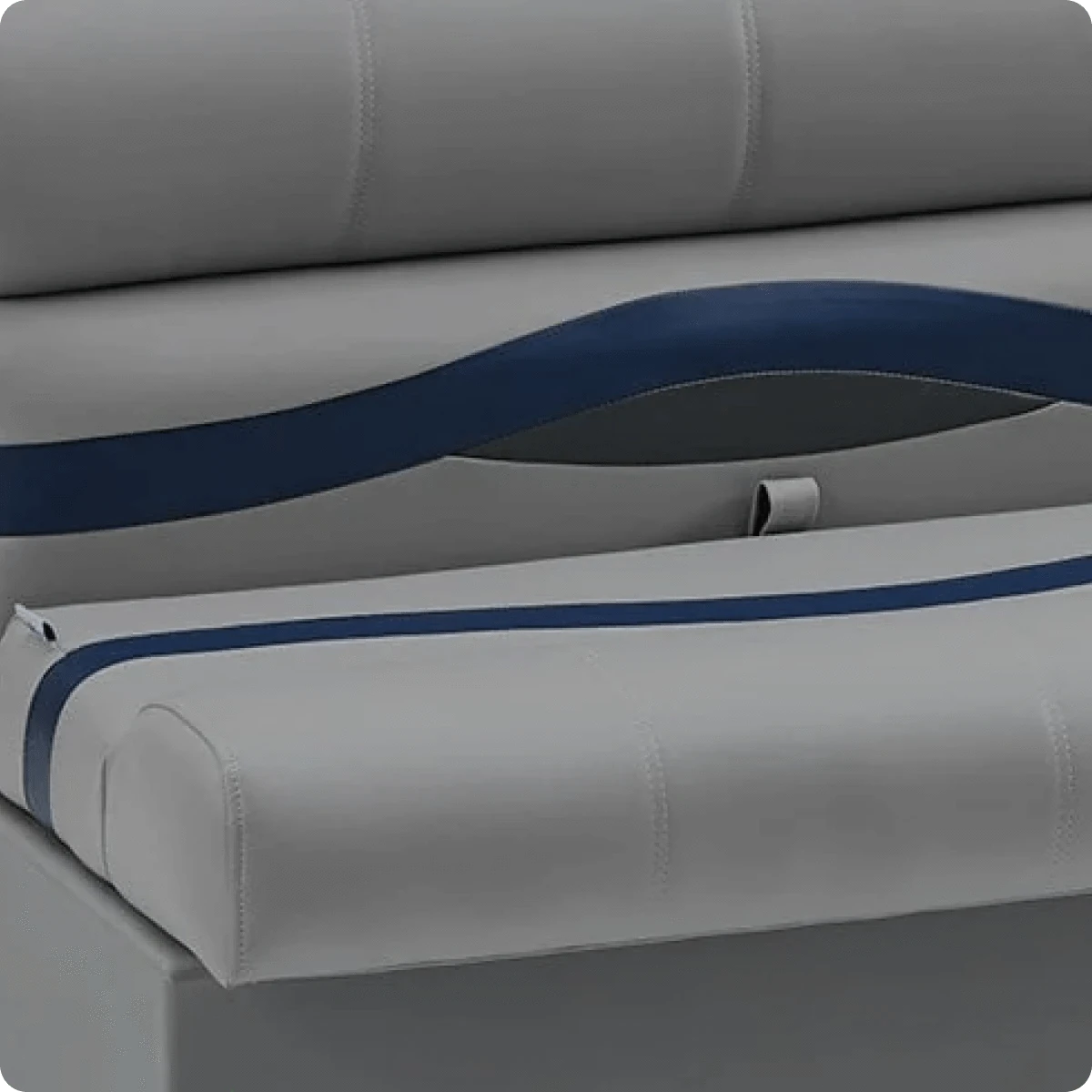
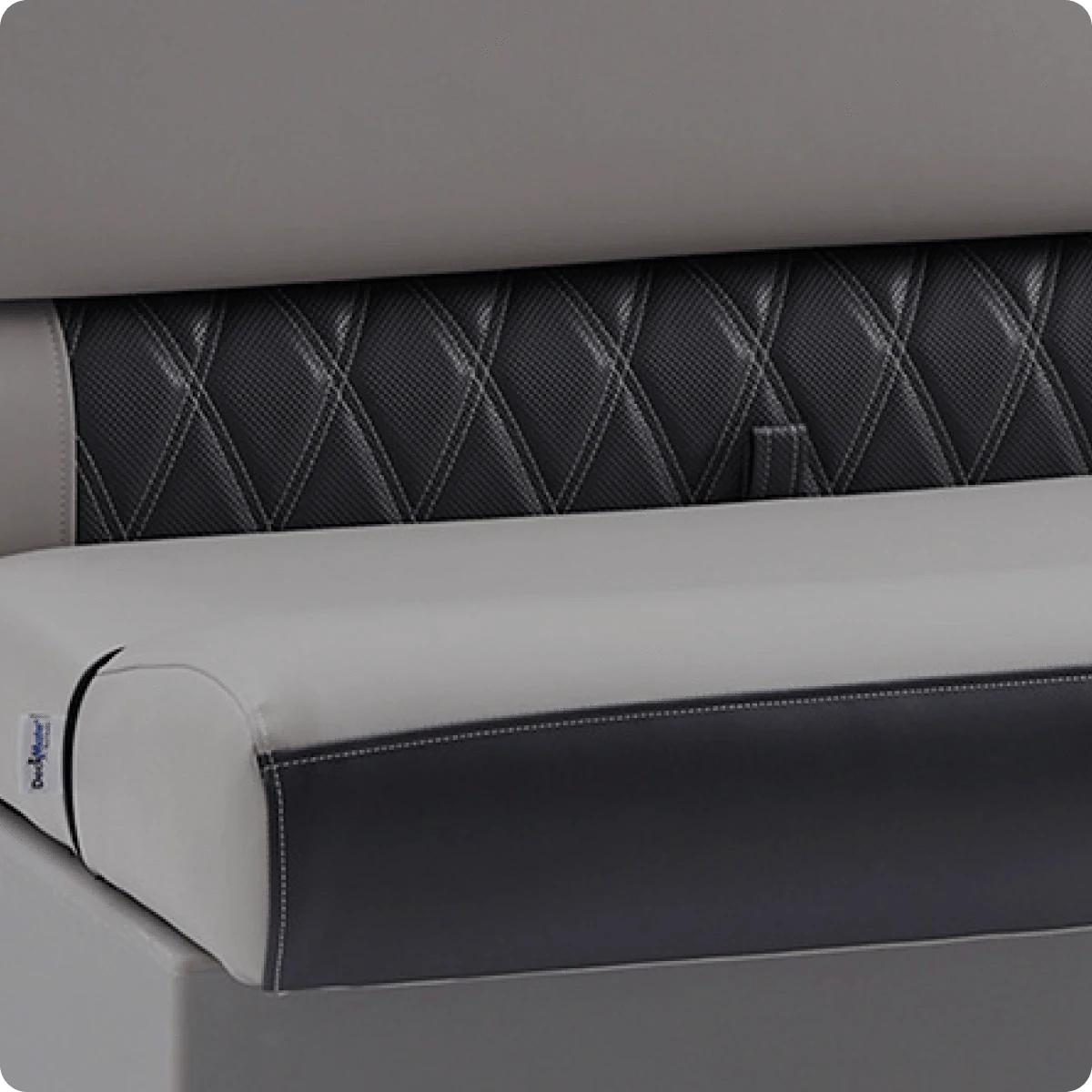
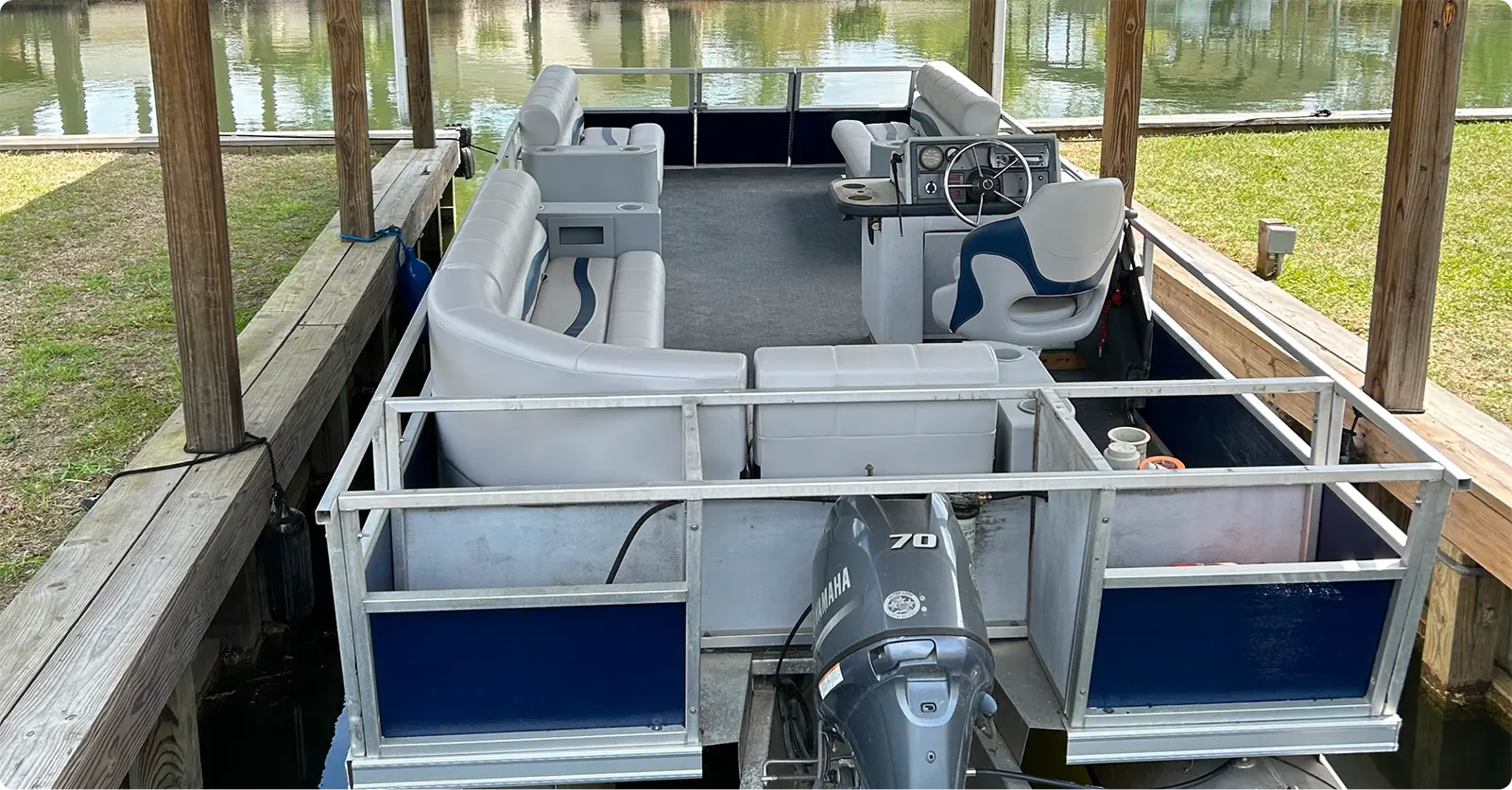
Clean and Check Your Seats Often
Upholstery is often the first thing that looks tired on a docked pontoon.
Heat, UV, and humidity are nonstop in many southern states, so seat care needs to be part of your routine, not a once-a-season project:
- Keep pontoon seats clean, dry, and shaded
- Wipe up spills and rinse off salt spray quickly
- Clean vinyl with a marine-safe cleaner that won’t strip protective coatings
- Let cushions dry after rain, washing, or heavy dew before covering the boat
- Use boat seat covers for high-contact areas
- Regularly look for loose seams and signs of sun damage—like splitting or cracking—near corners where people slide in and out
Quality boat seat covers help with sunscreen, snack messes, and daily wear. They also make it easier to keep light-colored vinyl looking fresh. If your pontoon lives at the dock, think of covers as your “daily driver” protection.
Watch for Early Mildew Signs
Mildew often starts as faint spotting in seams and corners. If you catch it early, cleaning is easier, and staining is less likely to set in. Clean your pontoon seats with a marine-safe vinyl cleaner once a month. Let them dry completely before covering to prevent mildew.
Consider Antifouling Protection
Some pontoon owners choose antifouling coatings (coatings, paints, or treatments applied to submerged surfaces) or other protective treatments. The right option depends on water type, local rules, and how the boat is used. It’s worth discussing with a local shop that sees your exact conditions.
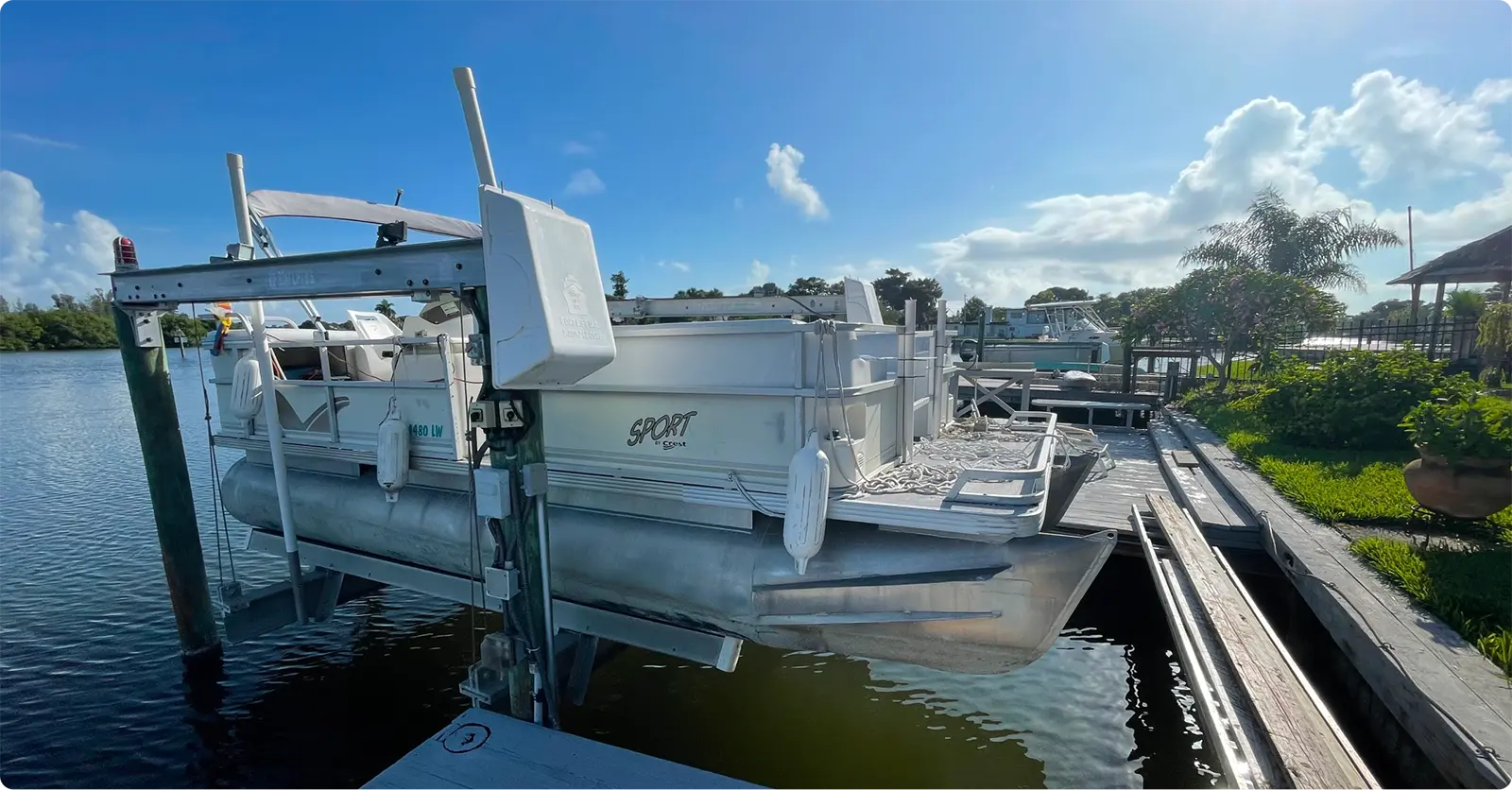
Use Lifts or Bumpers When Possible
A boat lift makes in-water storage easier by raising your pontoon off the surface when not in use. This keeps your toons clean, prevents algae buildup, and avoids damage from wake or tide movement.
If a lift isn’t available, install dock bumpers and quality mooring lines. These protect your boat from impact and keep it secure in changing water levels.
Can You Leave a Pontoon Boat in Saltwater?
Yes, if you’re in coastal regions or similar areas, you can leave a pontoon boat in saltwater. Pontoons are commonly aluminum, which holds up well overall, but salt is tougher on boats than freshwater. It speeds up corrosion, especially around bolts, brackets, and anywhere different metals meet.
In a busy marina, there’s a lot going on in the water: other boats, underwater metals, and shore power. All of these create a situation that’s essentially an electrical tug-of-war that can slowly eat away at the weakest metal parts on your boat. You usually won’t notice it day to day, but over time it can cause pitting and damage.
How to Protect Your Pontoon in Saltwater
Here are the simple habits that make a big difference:
- Check your anodes: Sacrificial anodes are basically a chew toy for corrosion. These are small metal blocks attached to your boat are meant to wear down first, so your more expensive parts don’t. (That’s why they're called sacrificial.) If they’re getting thin, crusty, or disappearing, it’s time to replace them.
- Use the right anode for your water: Saltwater, brackish water, and freshwater don’t always use the same type.
- Look over your wiring and connections: Again, saltwater, brackish water, and freshwater may utilize different types.
- Be smart with shore power: Keep cords and plugs clean, snug, and out of standing water. If something looks worn or overheats, fix it before it turns into a bigger issue.
If you’re not sure what protection your boat has, a marina tech can help you review the setup and suggest upgrades.
Pontoon Boat Storage: What to Inspect Monthly
Leaving the boat in the water full-time changes what “normal” looks like. Small issues can turn into big ones if they’re missed for weeks, so make sure to give these areas a regular check each month:
Underwater & Hull-Related
- Pontoons for staining, growth, pitting, and damage
- Anodes for wear (replace when significantly depleted)
- Ladder brackets, transducers, and underwater lights for the buildup
Topside & Deck
- Dock rash points along rails and corners
- Cleats and line wear
- Fence panels and gate latches
Electrical & Batteries
- Battery terminals for corrosion
- Shore power connections for heat discoloration or loose fittings
- Navigation lights and docking lights
Engine & Fuel
- Prop and lower unit condition
- Signs of fishing line near the prop seal
- Fuel lines for cracking or softness
If something looks off, address it quickly. Docked boats can hide early problems until they become expensive ones down the line.
Prep Pontoons for Severe Weather on the Water
If you’re in a hurricane zone or an area with strong seasonal storms, don’t treat this as an afterthought.
Have a removal plan: Know how quickly you can move the boat to a safer location. Some owners plan to trailer out when watches are posted. Others arrange a hurricane haul-out with their marina.
Reinforce dock lines and fenders, double up lines where possible, use chafe protection, and add fenders.
Decide what to do with the cover. In extreme wind, some covers become sails. Follow manufacturer guidance and marina recommendations when deciding whether to remove or secure a cover.
When Leaving Your Pontoon in the Water Year-Round Isn’t a Good Fit
In-water storage may not be ideal if:
- The dock area has heavy growth that requires constant scraping
- The boat sits in a high-wake zone that causes repeated rubbing
- You can’t visit regularly to check lines, batteries, and water intrusion
- Saltwater corrosion is already showing up faster than you can manage
In those cases, boat storage blocks, a lift, dry storage (if available for pontoons in your area), or trailering part of the year may protect the boat and lower long-term costs.
Ready to Protect Your Pontoon?
Keeping your pontoon on the water all year means more time on the water and fewer trips to the boat ramp (but only if you take care of it).
Make your setup maintenance-friendly and long-lasting. Check out our high-quality pontoon accessories built for real boaters who keep their pontoons ready to ride year-round. Stay on the water, and stay protected!