Inspect And Clean Your Pontoon’s Interior
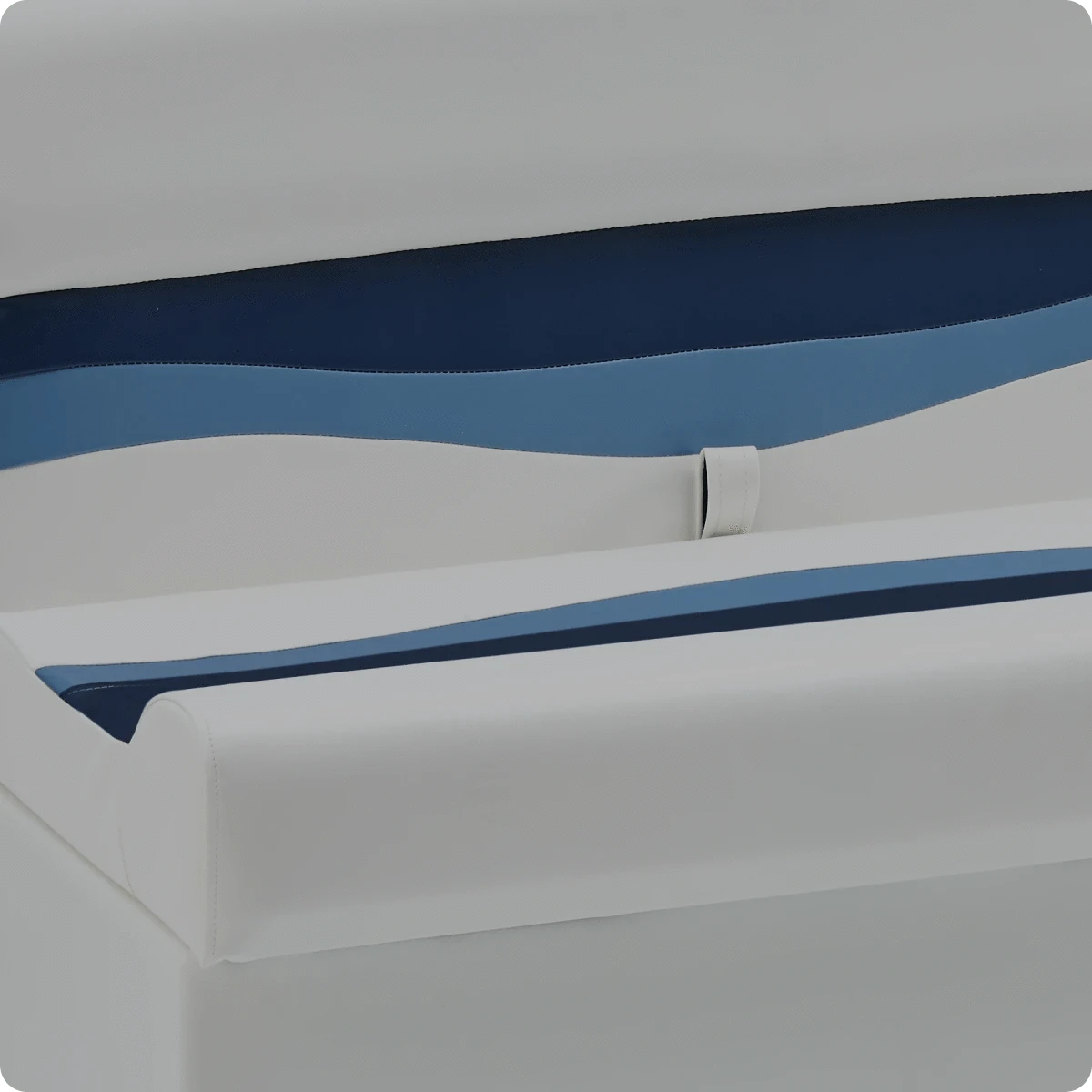
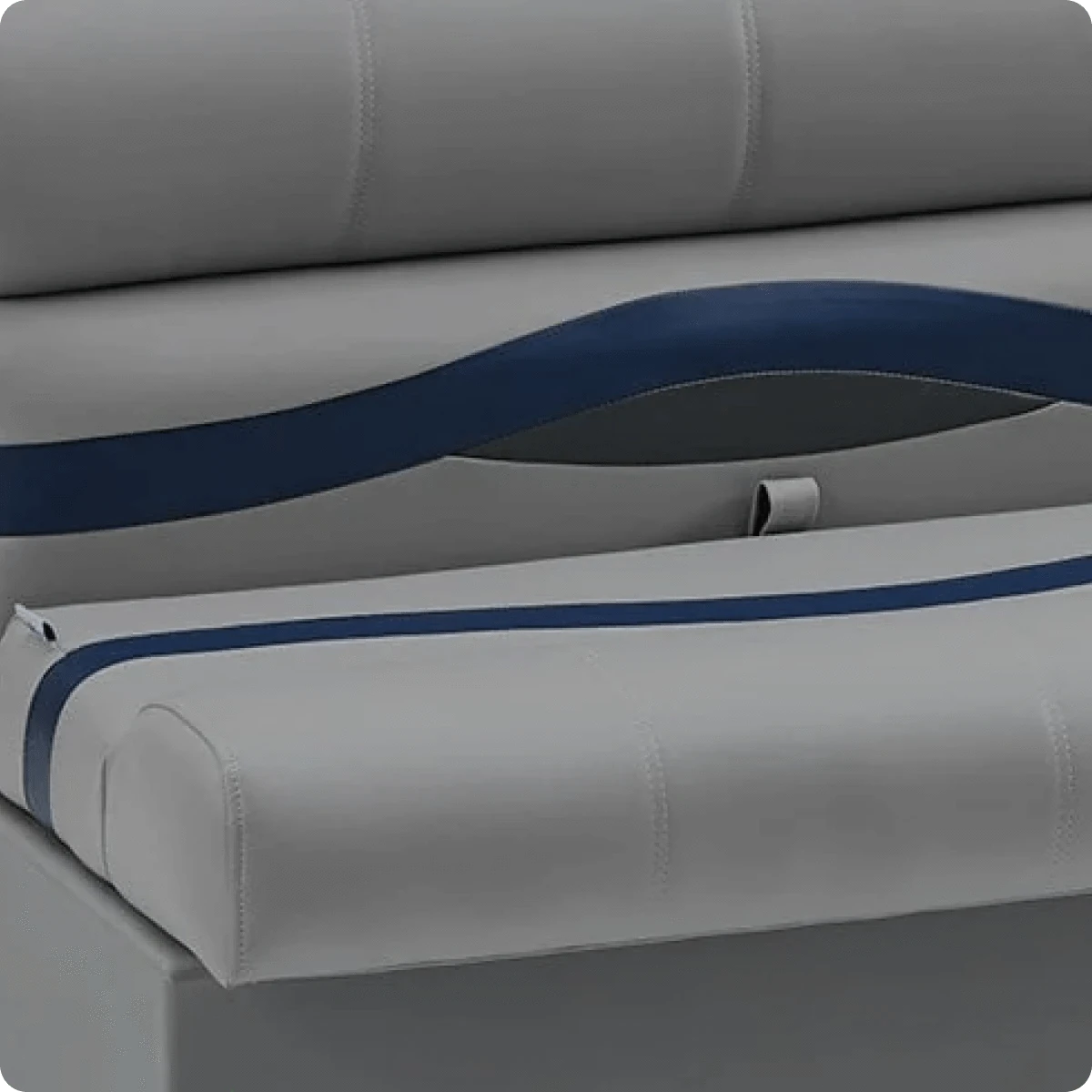
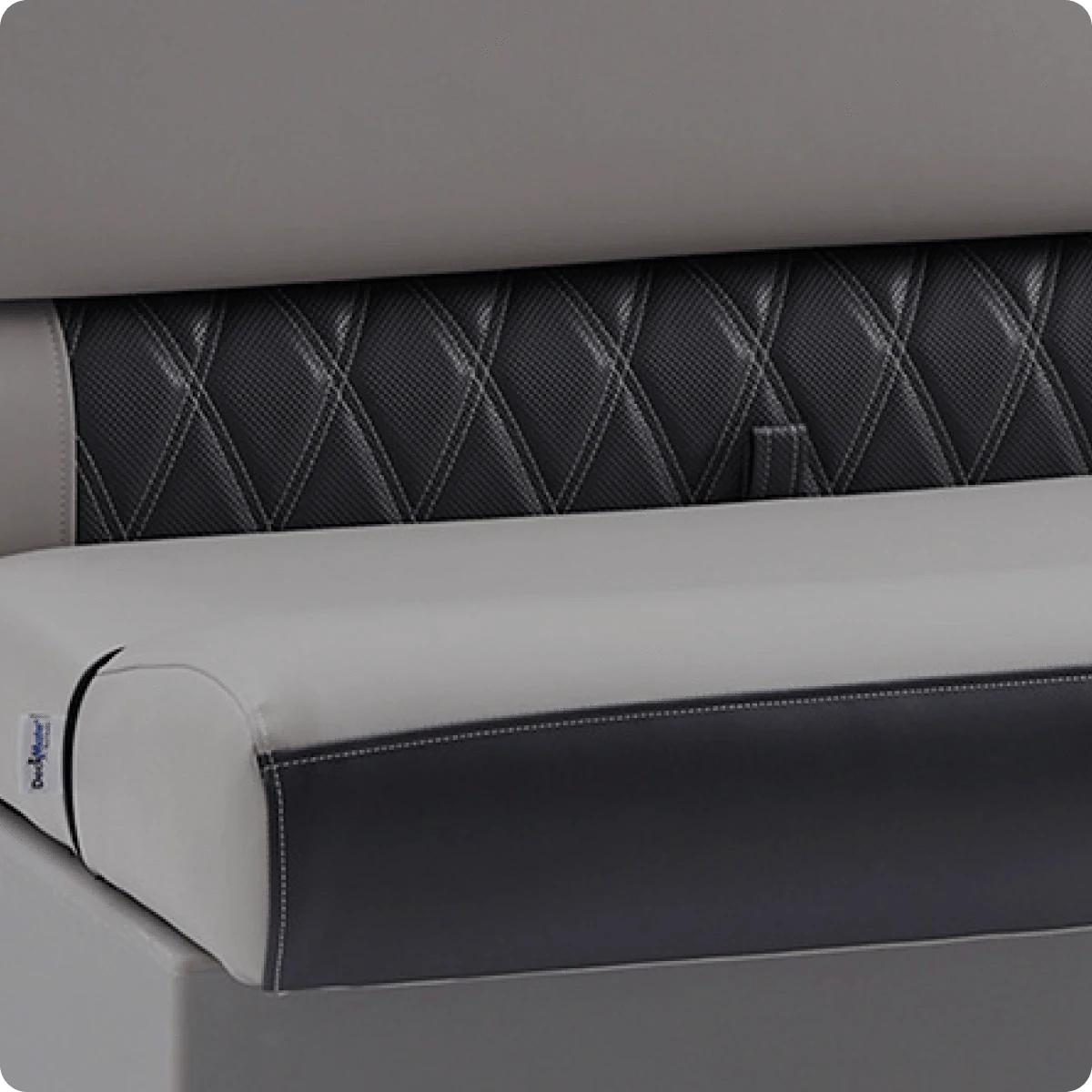
Pontoon interiors collect everything from crumbs to moisture. Spring is the best time to deep clean anything missed during winterization. Use boat-safe cleaners because harsh household chemicals can dry out vinyl or damage flooring. Wipe vinyl upholstery with a marine vinyl cleaner, to clean and protect your seats.
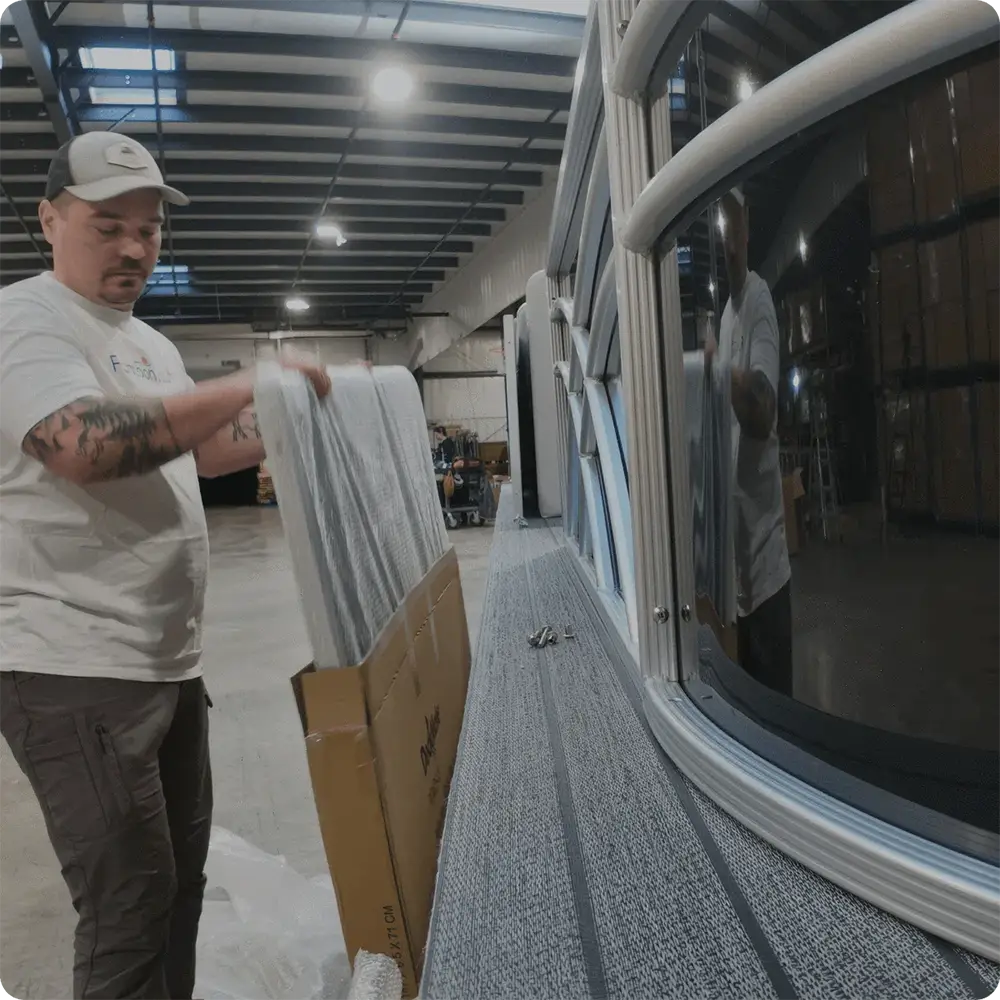
Then inspect seams, piping, hinges, and seat bases. Pay attention to small cracks because they can grow quickly once the boat is back in sun and heat. If your seats have seen better days, now is the perfect time to order replacements.
Not sure where to start with replacing your pontoon seats? Our guides on How to Choose the Best Replacement Seats and How to Install Pontoon Boat Seats can help.
Rodents love quiet, covered spaces, and they’re not respectful houseguests. Look inside bases, under seat cushions, around wiring, and near the helm. Open storage compartments so they can air out while you work.
At the helm, check the steering wheel, throttle, switches, gauges, cup holders, and flooring around the captain’s chair. If something feels sticky, loose, or stiff, don’t ignore it.
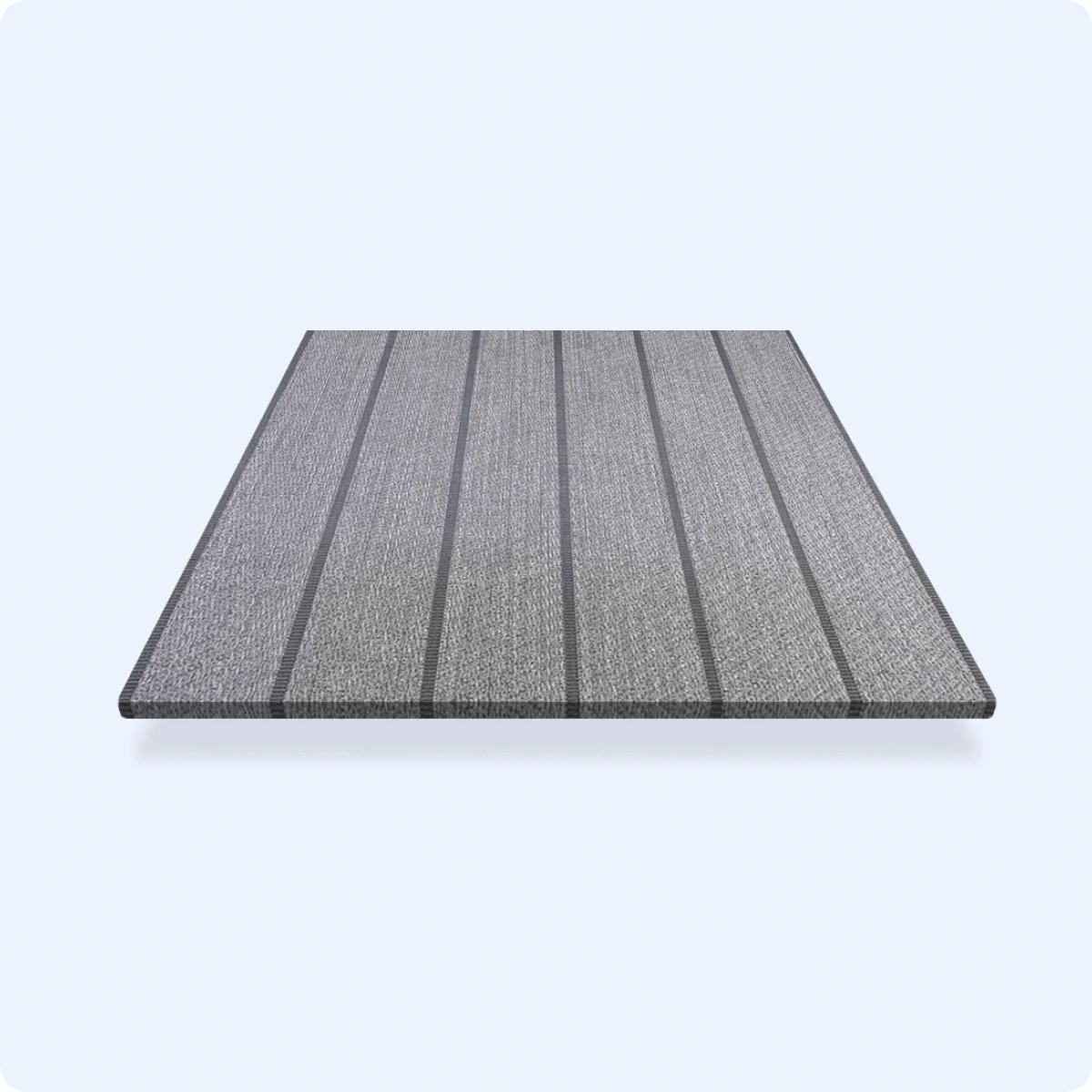
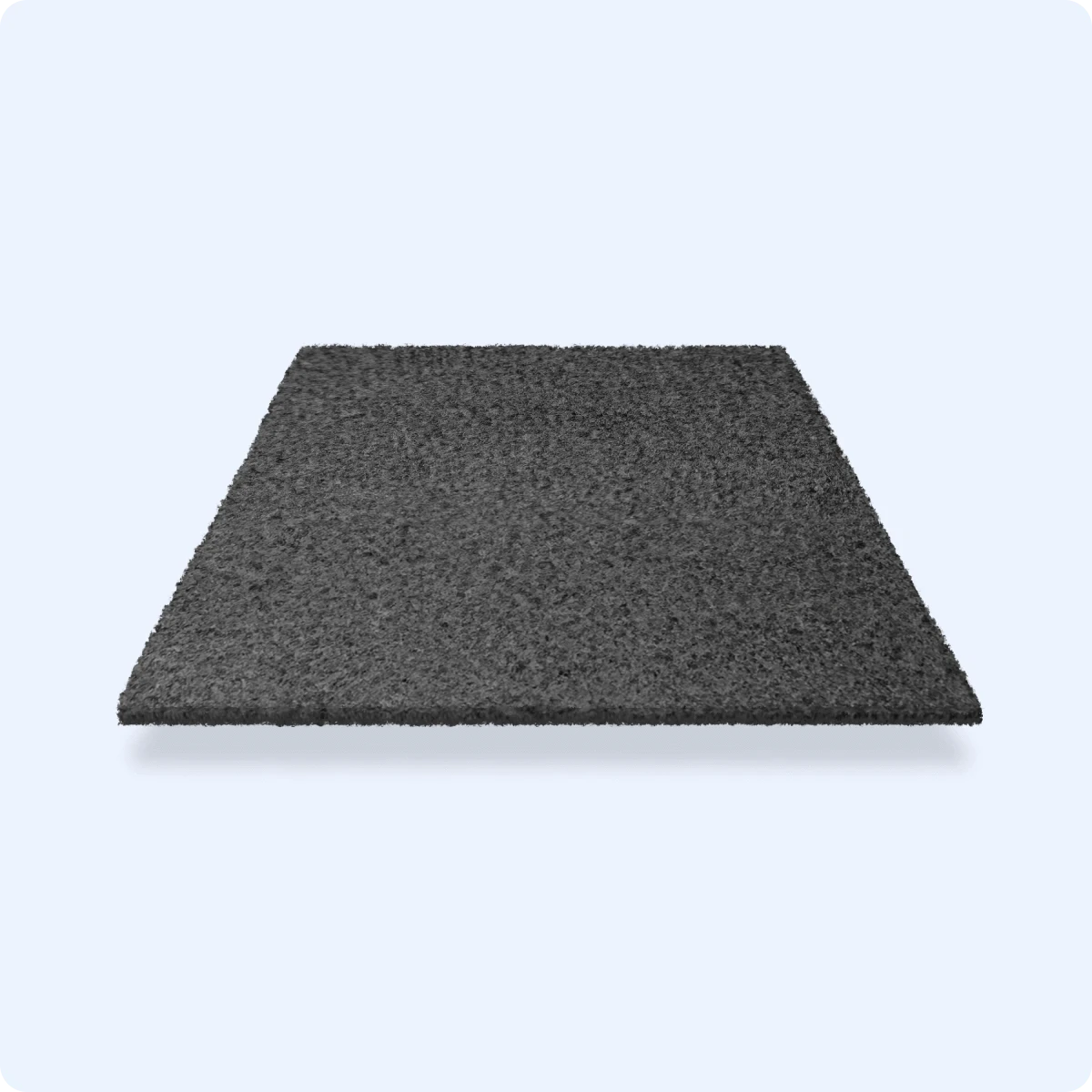
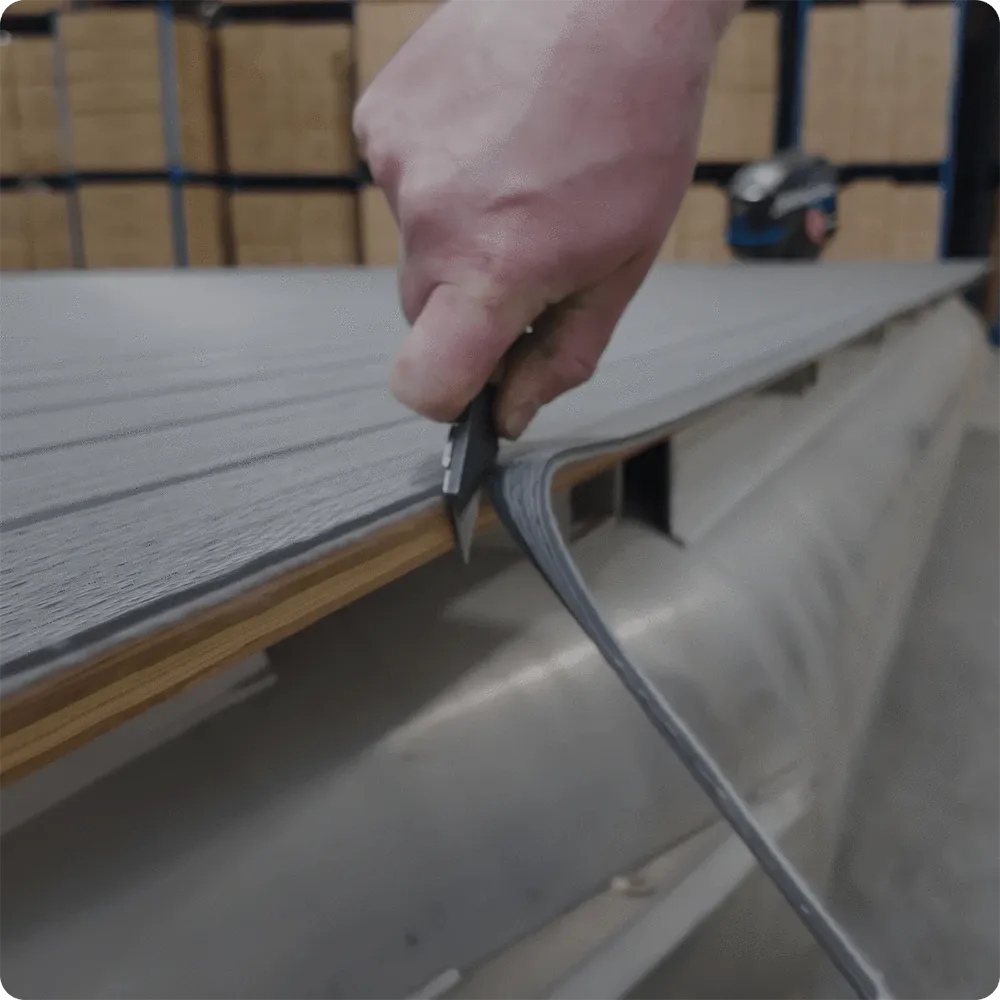
If your pontoon has carpet, check for mildew, frayed edges, worn traffic paths, and areas that stay damp. If you have vinyl or woven vinyl flooring, look for lifted seams, adhesive issues, cuts, or staining.
DIY Guide: How to Replace Your Pontoon Flooring & Deck
As you clean, look for:
- Loose bolts or rail fittings
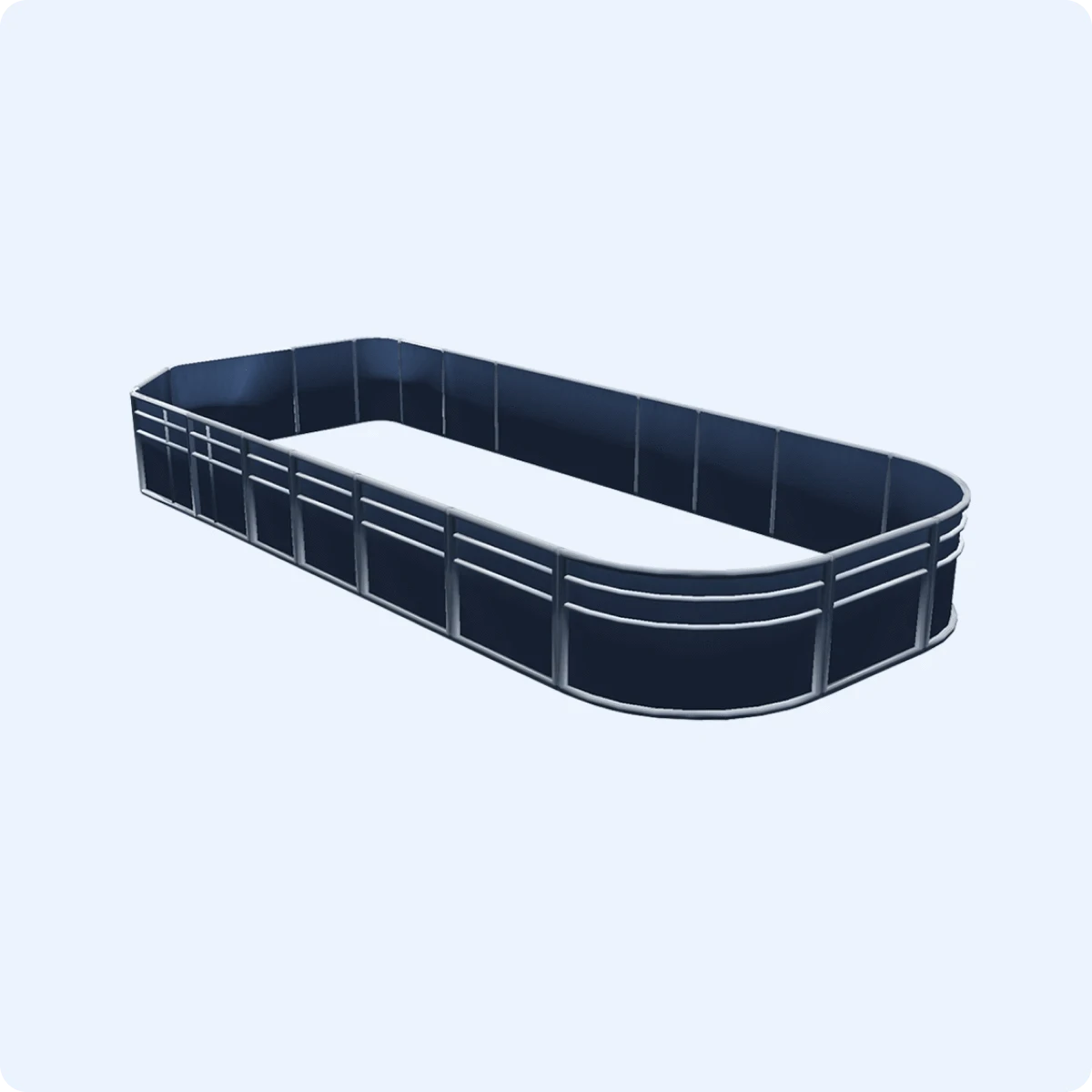
- Cracked fencing panels
- Worn gate latches
- Damaged rub rail
- Soft spots in the deck
- Corrosion around hardware
- Signs of water where it shouldn’t be
Small issues are much easier to fix in the driveway than at the launch ramp.
Prepare The Engine Before Launch
Before your first ride of the season, take a little time with the engine. You don’t need to tear anything apart, but you do want to catch the obvious stuff before your pontoon is backed down the ramp.
Start with your engine owner’s manual. Different outboards and sterndrives have different requirements, and guessing is not a great boat maintenance strategy. If your motor was professionally winterized, review the invoice so you know what was already handled and what still needs your attention.
Common spring engine checks include:
- Charge and reinstall the battery, if it was removed.
- Inspect fuel lines for cracks, stiffness, or leaks.
- Check the fuel tank and fuel-water separator, if equipped.
- Review engine oil levels.
- Inspect belts, hoses, clamps, and connections.
- Check the prop for dings, bends, fishing line, or damage.
- Confirm the cooling system is flowing properly.
- Make sure the kill switch works correctly.
If anything smells like fuel, looks cracked, leaks, or feels wrong, stop and get it fixed. Engine problems rarely improve with optimism, and launch day is a rough time to find out that something needed attention in the driveway.
That’s the heart of smart DIY pontoon care: handle the simple checks you can, don’t guess on safety issues, and give yourself enough time to fix problems before the boat is already in the water.
Inspect Electrical Components
Pontoon electrical systems sit through cold, moisture, storage, and temperature swings. Before your first trip, test every major electrical component while the boat is still easy to work on.
Start with the battery. It should be fully charged, secured properly, and connected with clean, tight terminals. Corrosion can cause weak starts, flickering electronics, and frustrating no-power moments.
Then test all electrical components and check wires for cracked insulation, chew marks, loose connections, and corrosion. If you find rodent damage, don’t patch around it casually. Damaged wiring can create failures and fire risk.
Pontoon Boat Wiring Tips Every Renovator Should Know