



Buying Guides
What Is a Pontoon Boat? A Beginner’s Guide
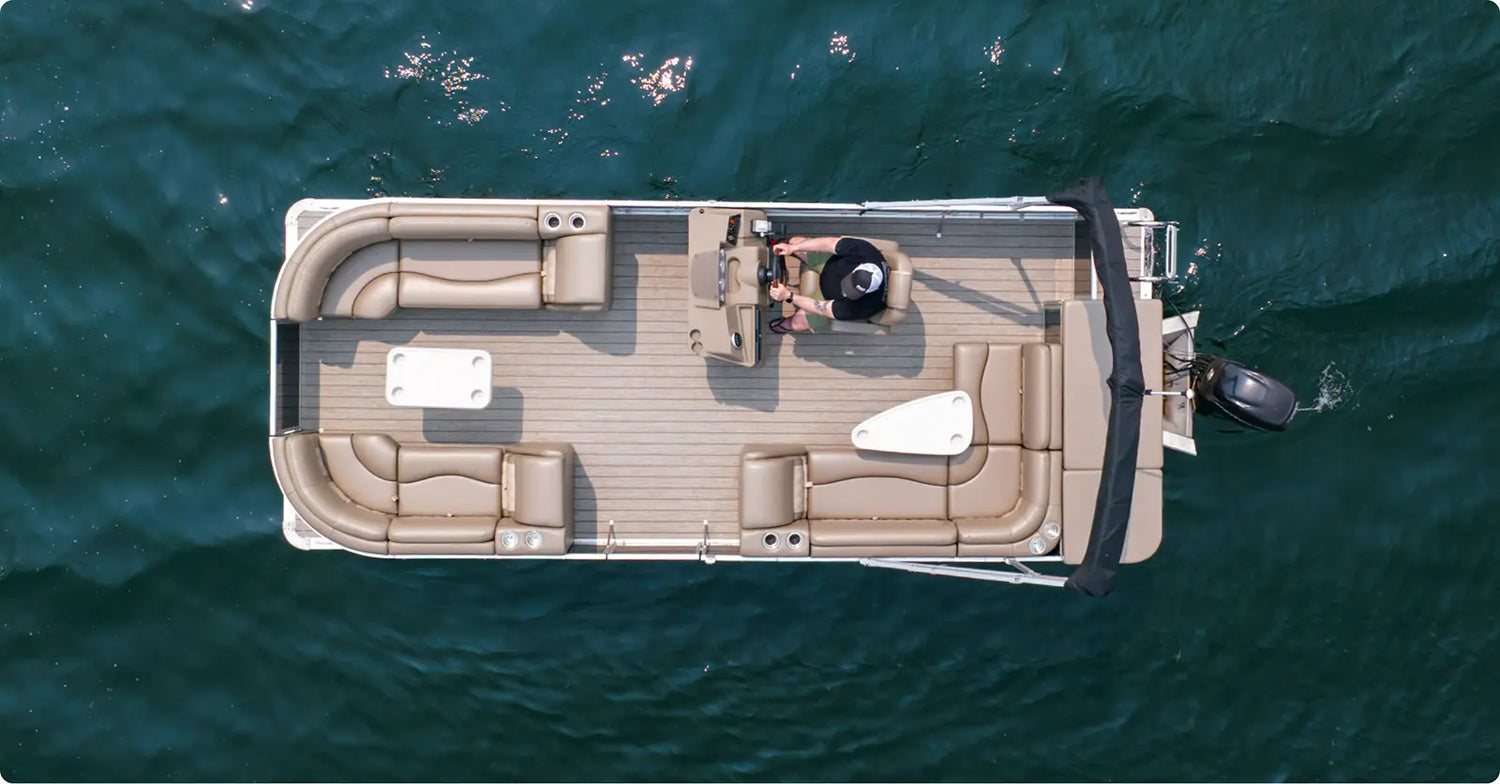
A pontoon boat is a wide, stable powerboat built on floating aluminum tubes, and is one of the easiest ways to enjoy comfortable days on the water. If you have ever compared family-friendly boats, scrolled past used pontoons online, or wondered whether a a rebuild project is actually worth it, this is the boat that keeps popping up for a reason.
What Is a Pontoon Boat?
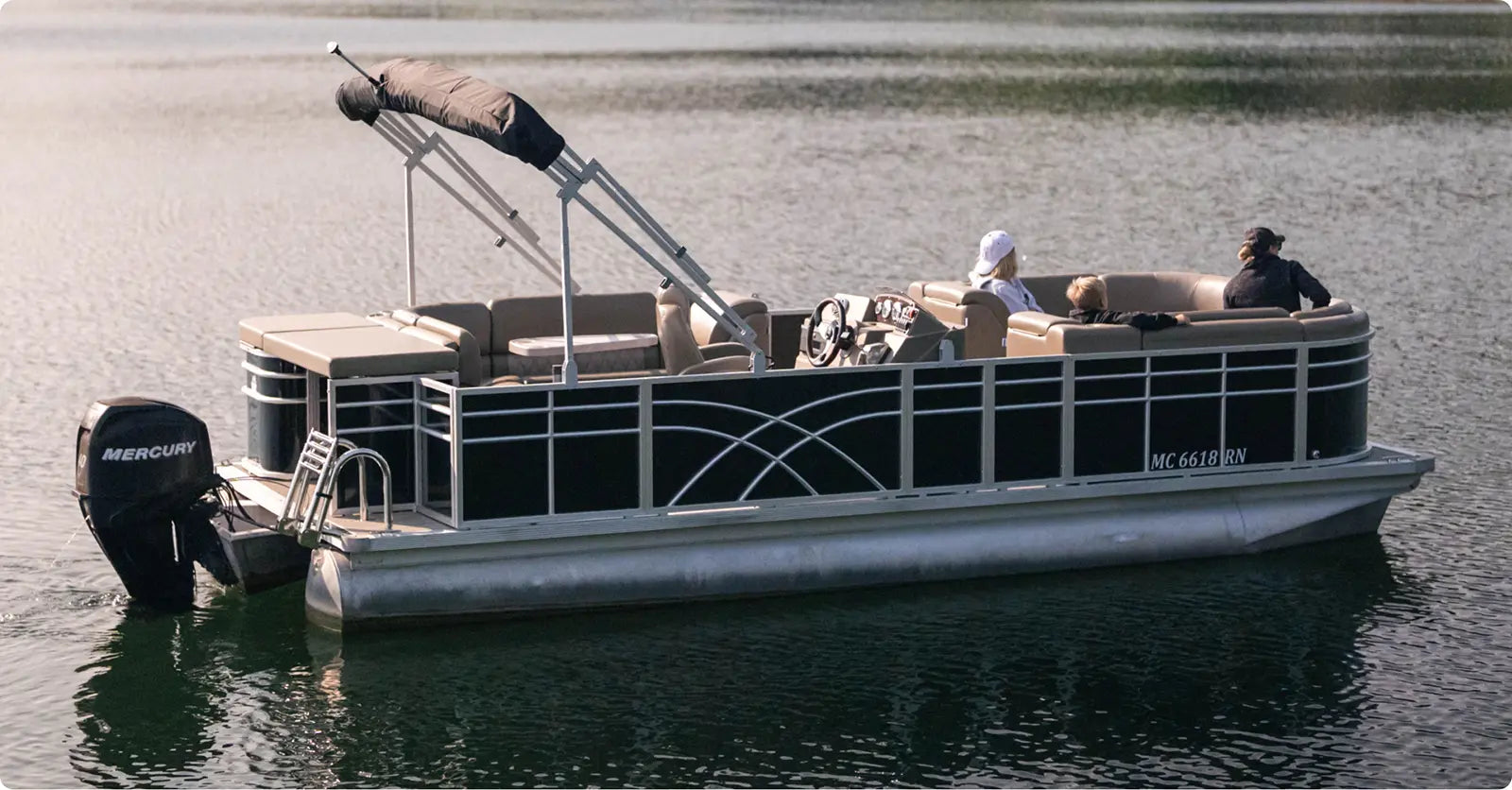
A pontoon boat is a recreational boat that uses two or three hollow metal tubes to float, with a wide deck built on top.
That simple design is the reason pontoons are so popular. Instead of a V-shaped hull like many traditional boats, a pontoon uses cylindrical pontoons under a large deck platform. The result is a roomy, stable layout.
For beginners, that wide and open setup is a big part of the appeal. The extra space and seating creates a more relaxed feel than many other boat styles.
Pontoons are also easy to customize, making them common in DIY rebuild projects. You can update flooring, seating, electrical components, rails, and other pontoon boat parts without turning the boat into a full-on engineering experiment.
In everyday use, a pontoon boat is like a floating back porch. It’s built for comfort first, but modern models can also be surprisingly fast and sporty.
What Is a Pontoon Boat Used For?
A pontoon boat is used for easy, social boating on the water: cruising, fishing, entertaining, tubing, or swimming. They're built to make casual boating simple and flexible. For many owners, that’s exactly the point.
What Are the Different Types of Pontoon Boats?
Pontoon boats come in several main types, and the best one depends on how you’ll actually use the boat:
- Performance pontoons are all about higher speeds, sharper handling, and more horsepower.
- Watersports pontoons are built to pull tubes, skiers, and wake riders.
- Luxury pontoons focus on comfort, finishes, and entertaining.
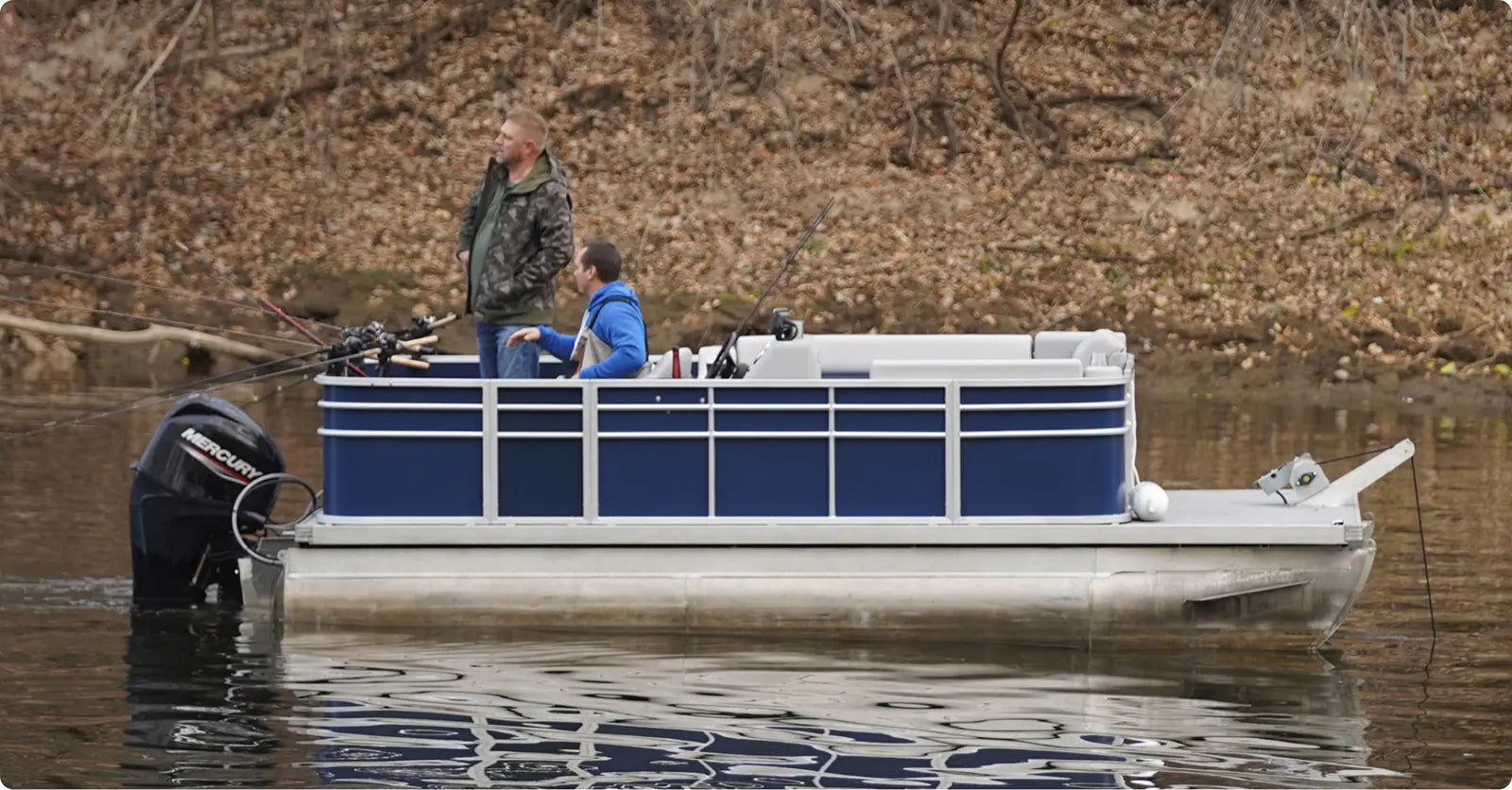
- Fishing pontoons offer specific and practical angling features.
The layout, tube setup, horsepower, and onboard features can make one pontoon feel very different from another.
What Are the Parts of a Pontoon Boat?
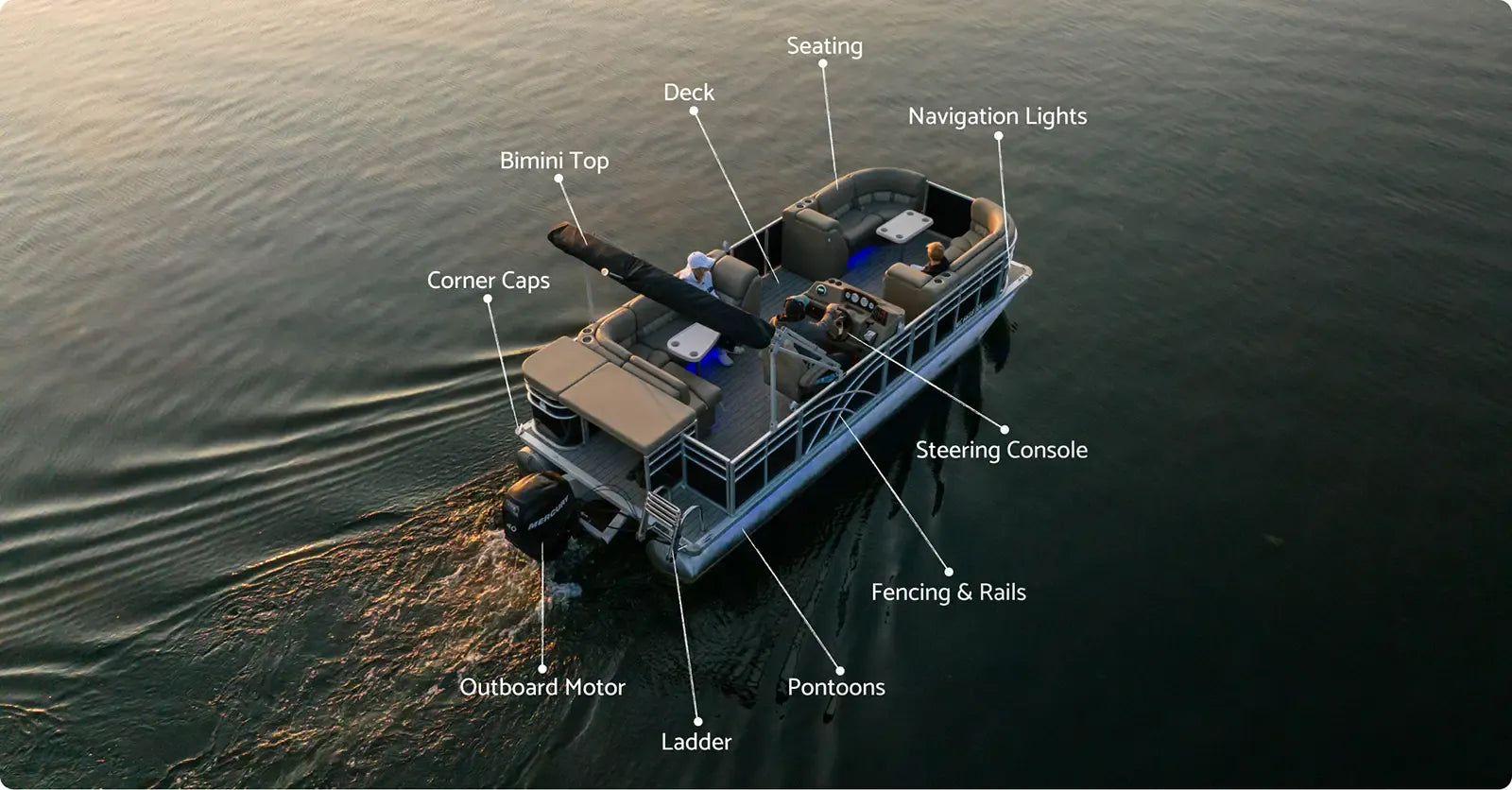
A pontoon boat has a few core structural pieces below deck and a handful of comfort, control, and utility systems above deck. Knowing the main parts helps you shop smarter and maintain your boat with confidence.
Structural Components
The structural components are what keep the boat floating and supported:
Pontoons
Pontoons give pontoon boats their name. They are the floating tubes under the deck. Most are made from aluminum, and they provide buoyancy. A standard pontoon has two tubes. A tritoon has three, which usually improves handling, capacity, and performance.
Crossmembers
These metal supports span across the pontoons and hold the deck up. They are a big deal in any restoration project because weak or corroded crossmembers can affect the whole structure.
Decking
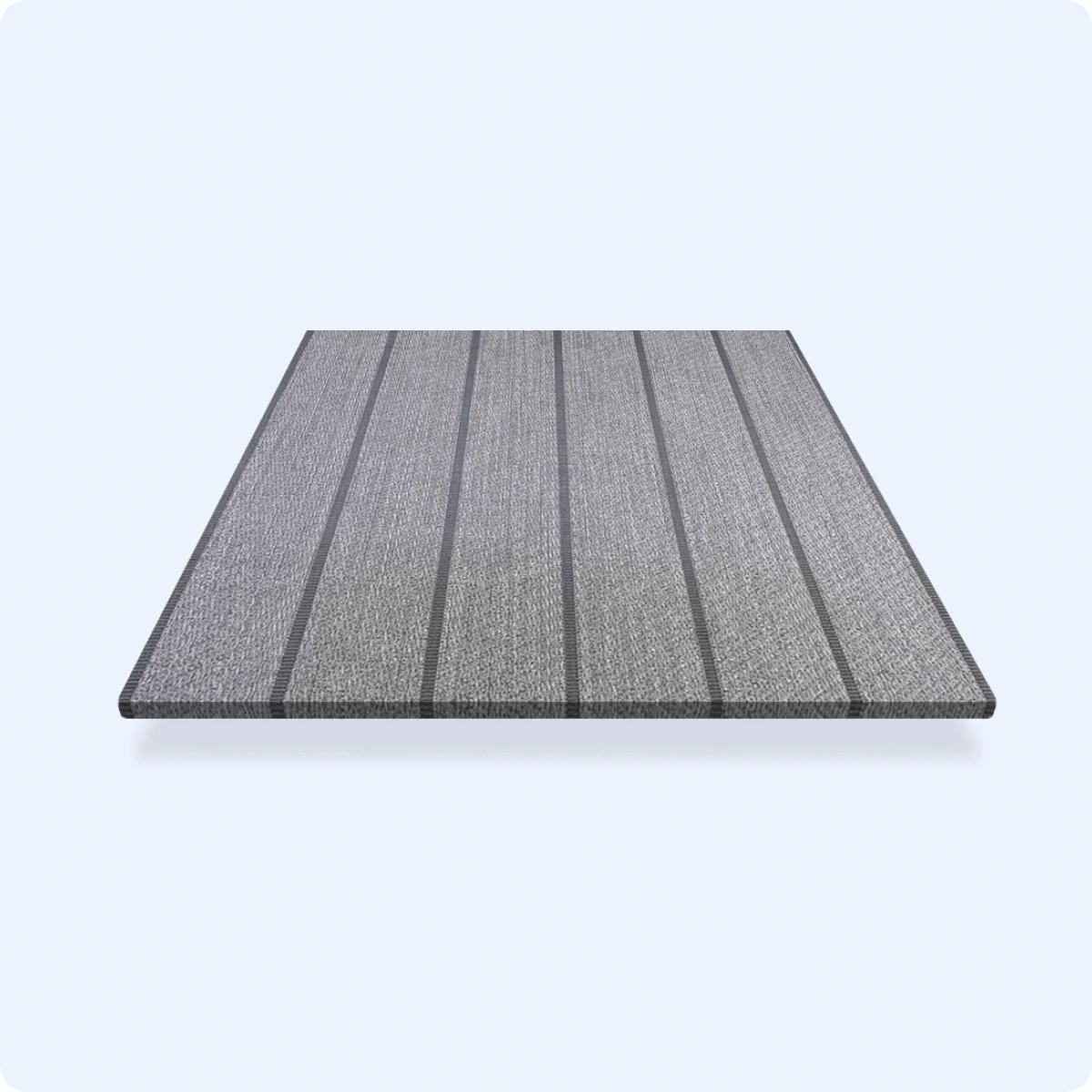
The deck is the platform attached above the crossmembers. It is often made from treated plywood, then topped with marine flooring like vinyl or marine carpet.
Transom
The transom is the reinforced section where the outboard motor mounts. On a pontoon, this area has to handle engine weight, thrust, and regular stress from operation.
Fence Rails & Gates
Fence rails and gates enclose the deck and help keep passengers safe while moving around the boat or boarding from a dock.
Rub Rail
The rub rail runs around the outer edge of the deck and fencing system. It protects the perimeter from bumps and scrapes.
Onboard Features & Systems
The onboard systems make the boat usable, comfortable, and easy to operate:
Console & Helm
The console and helm is your control station. It usually includes the steering wheel, throttle, gauges, switches, and electronics.
Furniture & Seating
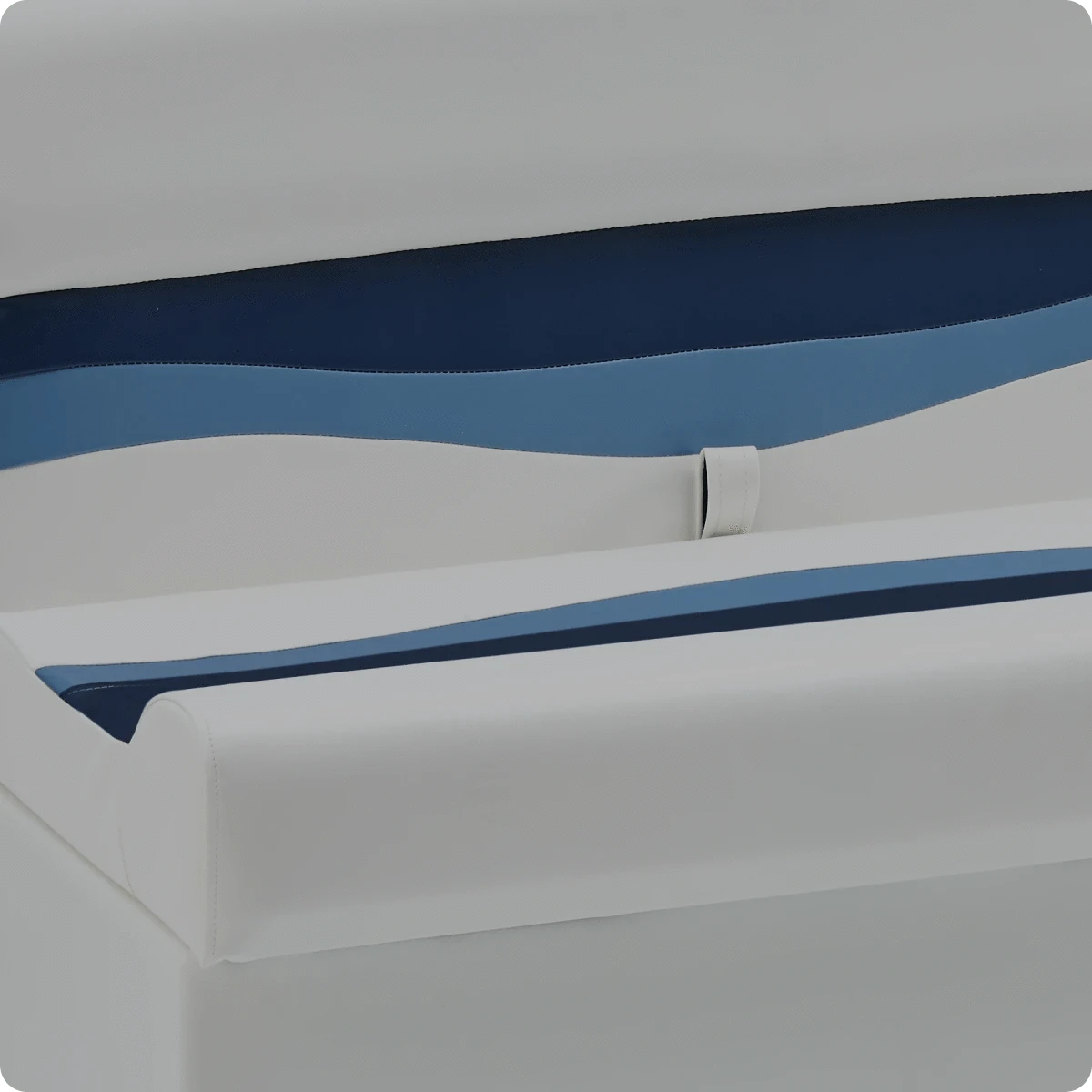
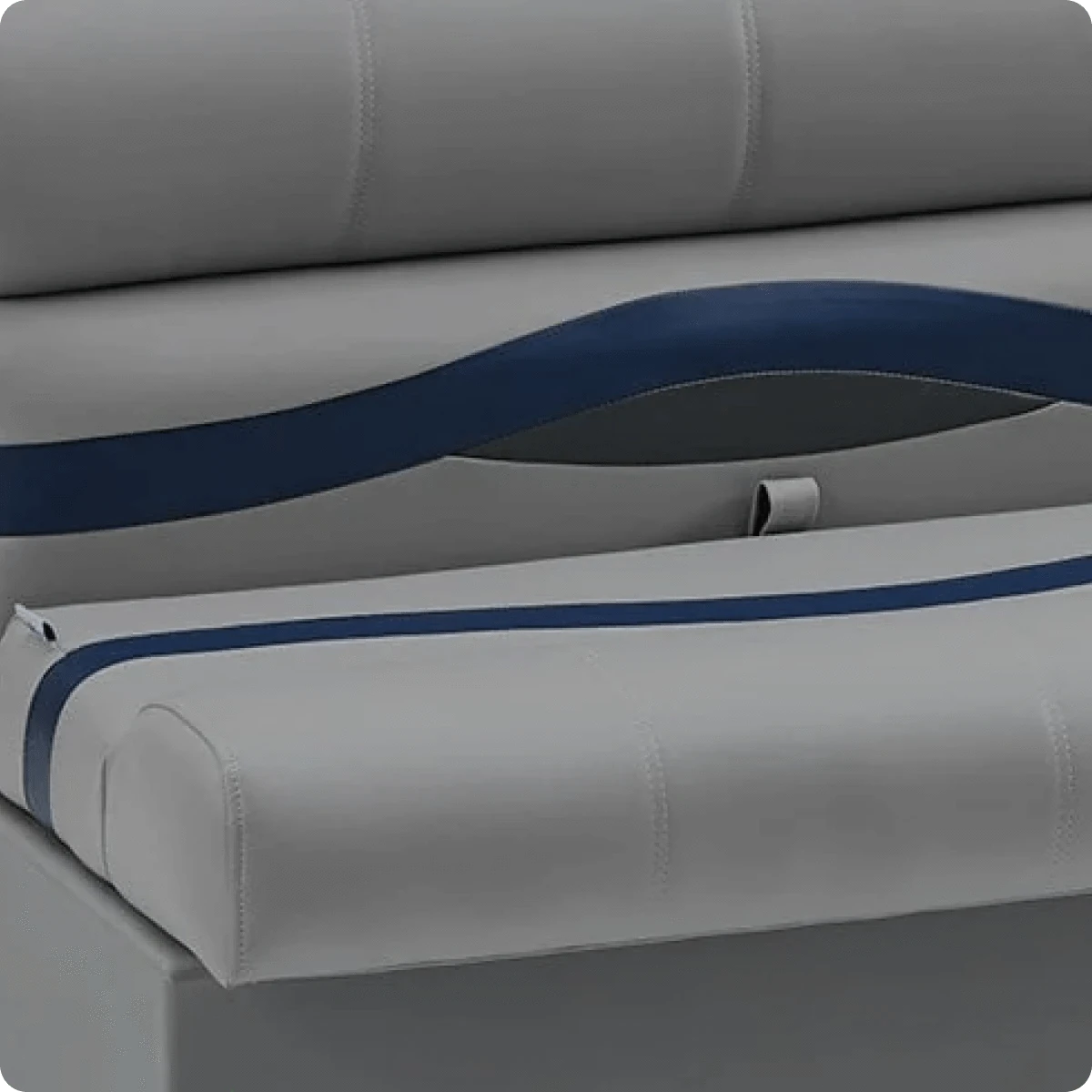
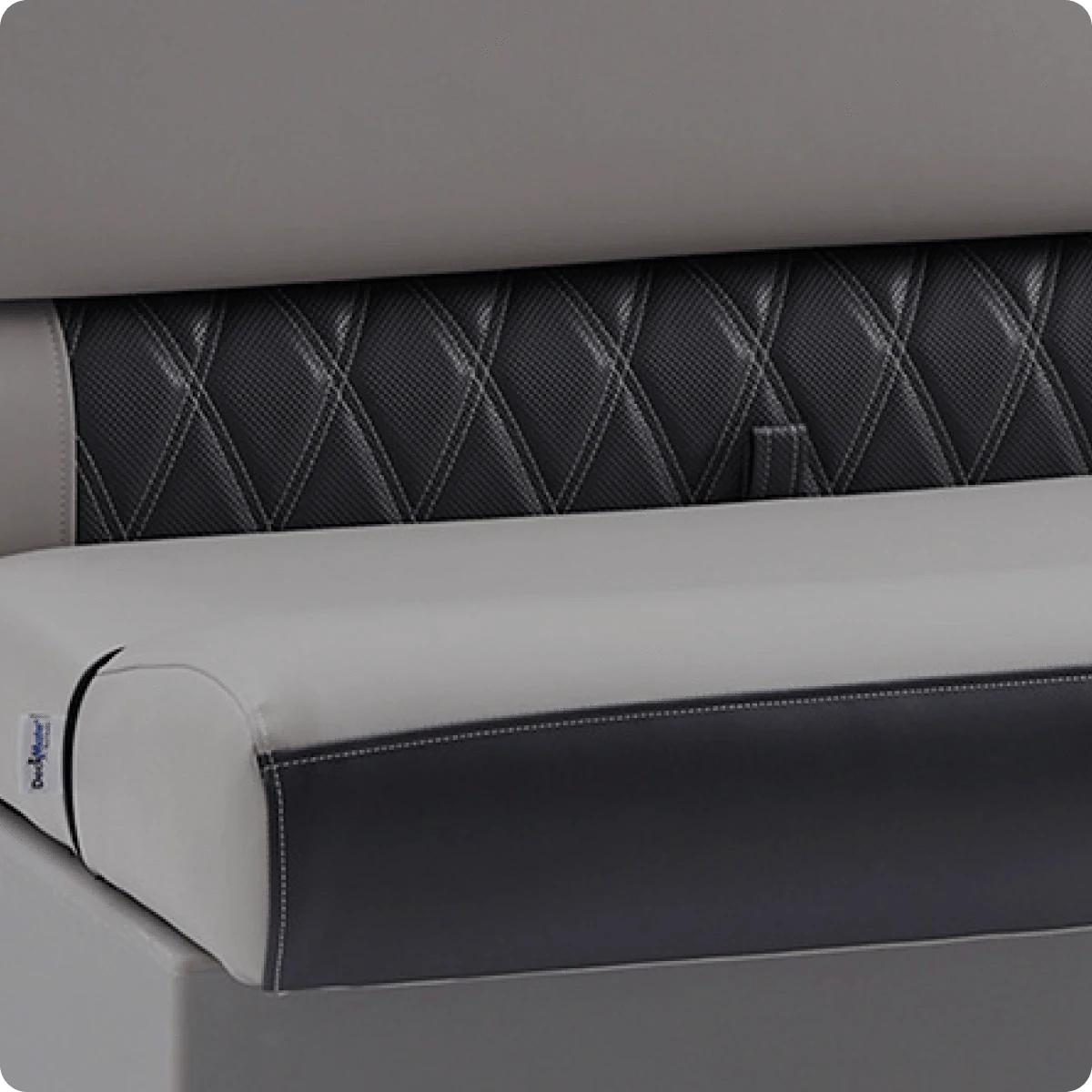
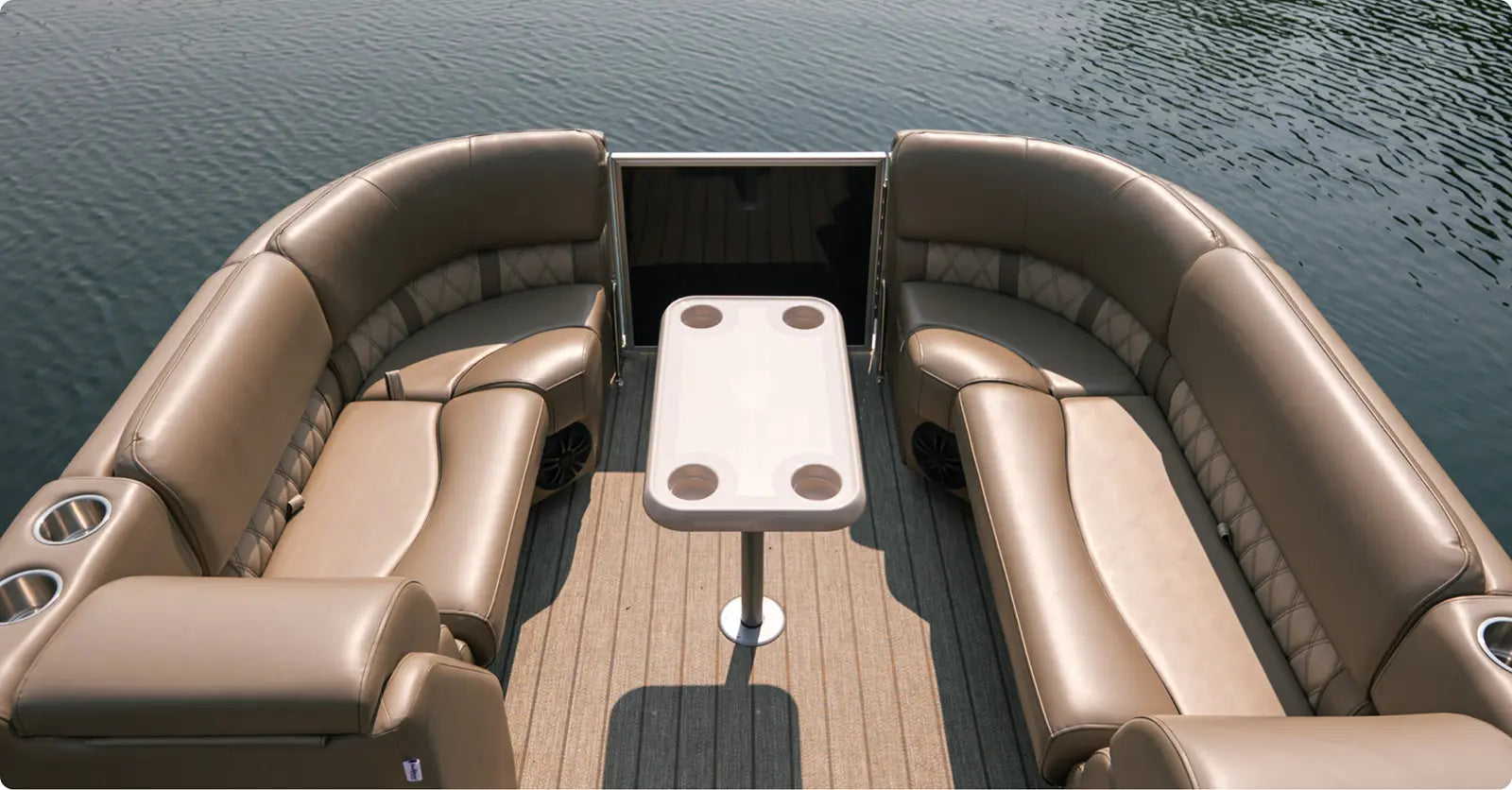
Most pontoons use modular furniture; options include lounge seats, corner benches, storage bases, captain’s chairs, fishing chairs, and sun pads. These pieces are often among the first pontoon boat parts owners replace during a refresh.
Bimini Top
A Bimini or Bimini top is a collapsable fabric canopy that provides shade and sun protection to those on the boat. It’s one of the most appreciated features on hot lake days.
Fuel System
Most pontoons use an outboard motor with a built-in or portable fuel tank. Fuel lines, vents, filters, and tank placement all play their part in safety and performance.
Electrical System
Your pontoon’s electrical system can include the battery, navigation lights, courtesy lights, bilge equipment (if installed), stereo, fish finder, charging ports, and accessory switches.
Boarding Ladder
A pontoon ladder at the rear makes swimming and reboarding much easier and safer.
Livewell, Rod Holders & Fishing Features
On fishing models, you’ll likely see seat pedestals, tackle storage, aerated livewells, and other angler-specific add-ons.
What Is the Lifespan of a Pontoon Boat?
A well-maintained pontoon boat can last 20 to 30 years or longer. Pontoons age well because the core structure is often aluminum, which holds up nicely when cared for properly.
That said, lifespan is heavily impacted by upkeep. Flooring, upholstery, wiring, fasteners, and cosmetic parts usually wear out long before the tubes themselves.
A 20-year-old pontoon that was covered, cleaned, and repaired along the way can still be a great boat. A ten-year-old pontoon that sat uncovered, held water, and got ignored can be a headache.
How Fast Does a Pontoon Boat Go?
Most pontoon boats run about 15 to 30 mph, while performance models can go much faster.
Speed depends mostly on horsepower, load, tube design, and hull setup. A simple two-tube pontoon with a modest outboard is built more for relaxed cruising than speed. A tritoon with a large motor, lifting strakes, and performance rigging can move like a completely different animal.
How Much Does a Pontoon Boat Weigh?
Most pontoon boats weigh about 2,000 to 3,500 pounds before passengers, gear, and fuel, though large tritoons and high-performance models can weigh much more. A larger tritoon with a bigger engine, heavy furniture, and premium features may climb well past 4,000 pounds dry.
What Is a Pontoon Boat Classified As?
A pontoon boat is generally classified as a recreational powerboat. It’s a powered vessel, usually driven by an outboard engine, and it falls into the broader category of boats used for inland, nearshore, and leisure boating.
What Is the Difference Between a Pontoon & a Tritoon?
A pontoon has two tubes, while a tritoon has three. That third center tube usually improves lift, balance, capacity, and handling. Tritoons also tend to support larger engines more confidently, which makes them a common choice for higher-speed boating, watersports, and bigger crews.
Pontoon vs. Deck Boat
A deck boat has a hull that rides more like a traditional boat, while a pontoon uses tubes and a flat deck for maximum space and stability. The deck boat vs pontoon comparison comes up all the time because both can carry groups comfortably.
If your priority is comfortable cruising, entertaining, and simple family use, a pontoon often wins. If you want a sportier hull feel and a more traditional ride, a deck boat may be the better fit.
Pontoon vs. Boat
A pontoon boat is a type of boat, but it differs from many traditional boats in how it floats and how the space is used.
A traditional fiberglass boat often has an enclosed or semi-enclosed hull shape that cuts through the water differently. A pontoon rides on tubes and supports a broad, flat deck. That gives you more room and stability, but a different ride profile in rougher conditions.
Are Pontoons Safer than Other Boats?
Pontoons are often safer for casual family use because they are stable, roomy, and easy to move around on. That does not mean they are automatically safer in every condition than every other boat.
Boat safety depends on weather, water type, operator behavior, passenger load, maintenance, and whether the boat is being used within its intended limits. You still need common sense, life jackets, and consistent attention.
Pontoon Boat Cost
Pontoon boat cost ranges widely, but many buyers spend anywhere from the tens of thousands on basic models to far more for luxury and performance builds. Here is very general pricing info for a new pontoon:
Entry-Level: $18,000 - $40,000
Mid-Range: $35,000 - $80,000
Premium/Luxury: $80,000 - $180,000+
That range exists because pontoons can be simple and practical or loaded and upscale. The final number depends on many factors, like size, brand, engine, trailer, electronics, furniture quality, whether you’re buying new or used, and what customizations you do.
For DIY-minded owners, an older pontoon can lower the buy-in while giving you room to upgrade in stages. You can focus first on structural needs; then tackle comfort and cosmetics as your budget allows, making your pontoon truly your own.
Can You Rebuild a Pontoon Boat?
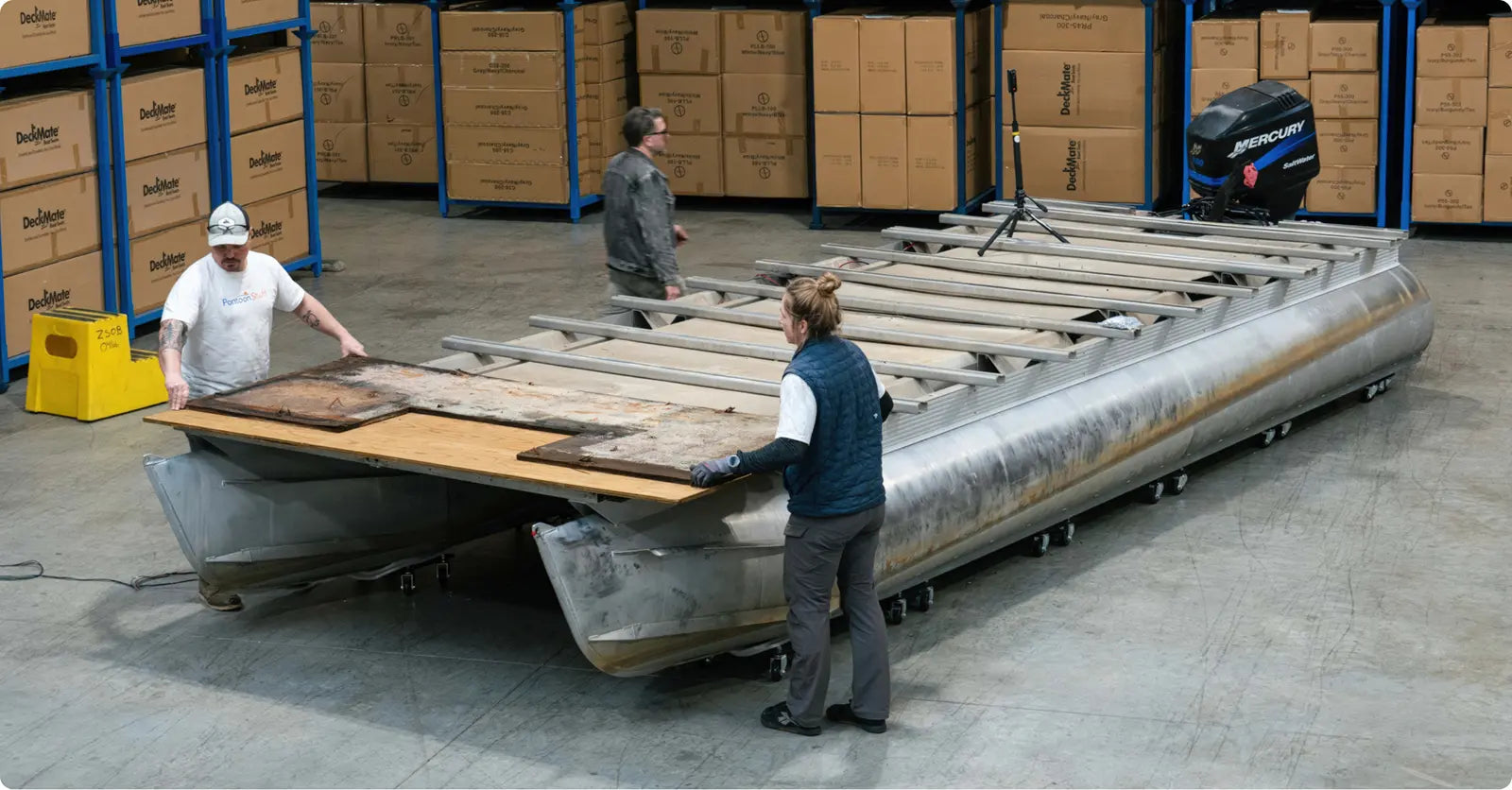
Yes, you can absolutely rebuild a pontoon boat. In many cases it is often the most manageable boat restoration projects. Since pontoons have a simple, modular design, many parts can be replaced or upgraded without rebuilding the entire boat.
The key is starting with the structure. If the pontoons, crossmembers, transom, and motor are still in good shape, an older boat can be a good candidate for your rebuild project. However, if those core structures have major damage, the rebuild can become expensive fast.
For many owners, rebuilding a pontoon is a practical way to lower upfront costs and create a boat that perfectly fits their needs.
Pontoon Boat FAQs
Do I Need a License to Operate a Pontoon Boat?
Sometimes, yes. Licensing and boater education rules depend on your state and age. In many places, a boating safety certificate is required for certain operators even if a traditional driver’s license is not. Always check your local laws before heading out.
Is It Worth Buying a 20-Year-Old Boat?
Yes, it can be, if the structure is sound and the price leaves room for repairs.
A 20-year-old pontoon can still be a smart buy if the pontoons are in good shape, the transom is solid, the deck is not soft, and the motor checks out. Older boats are often best for owners who are comfortable replacing worn pontoon boat parts over time instead of expecting a perfect turn-key package.
Do Pontoon Boats Have a Toilet?
Most pontoons do not include a built-in toilet. Larger luxury models may have a privacy enclosure with a portable toilet, and some custom layouts add changing rooms or enclosed compartments. For casual day cruising, many owners simply plan around marina stops and shore breaks.