Reusing Old Wiring Because It Still Turns On
If the deck is open, replacing weak wiring now is much easier than chasing electrical trouble later.
Old marine wiring can seem fine right up until it’s not. Sun, moisture, age, vibration, and corrosion all chip away at reliability. A wire run can power a light today and still be a bad bet for the long term.
Check every major run you can reach. Look for brittle insulation, corroded terminals, loose connections, and messy routing. Replace weak sections while access is easy.
This is admittedly not the most glamorous part of a rebuild, but it is one of the parts that makes the boat feel dependable when the project is done.
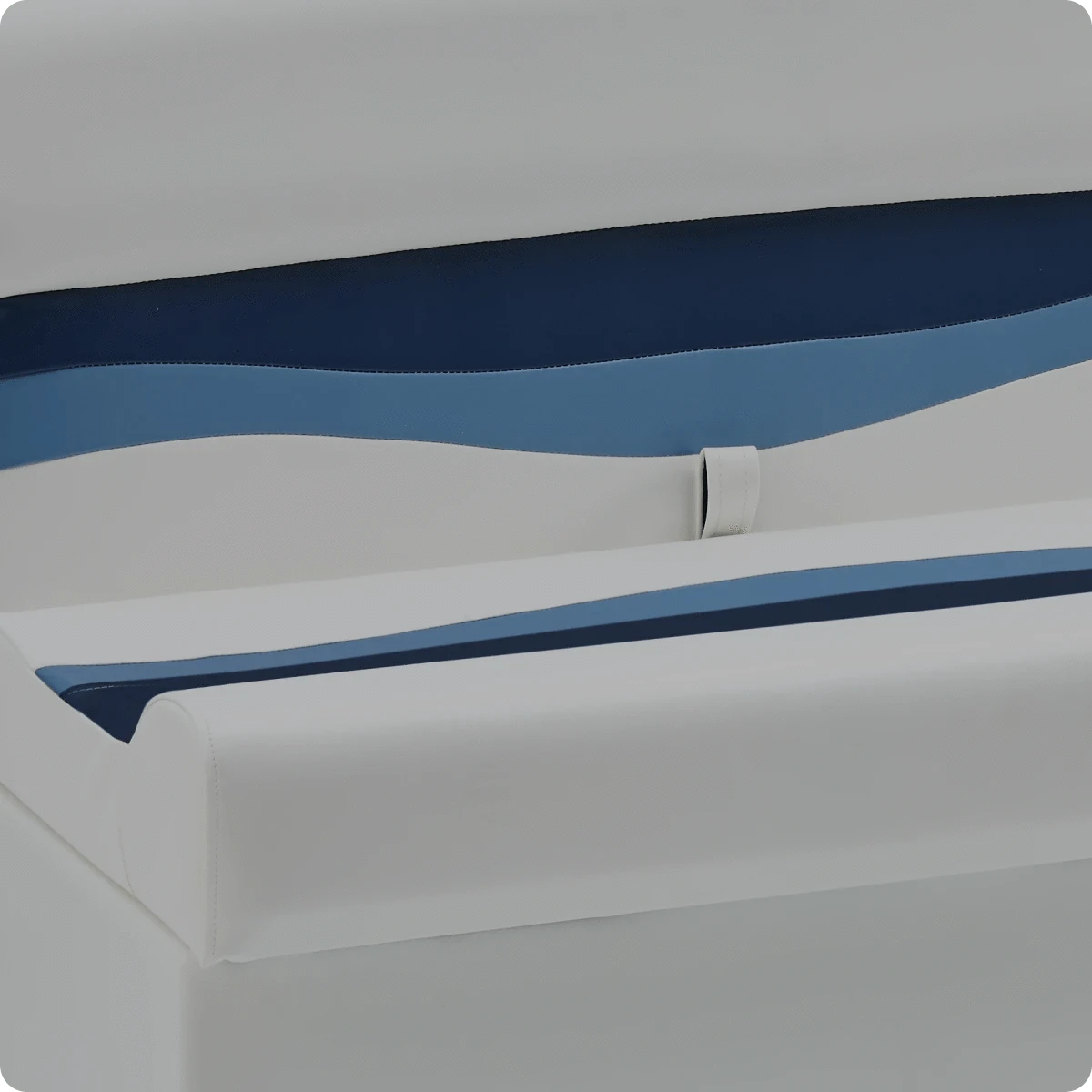
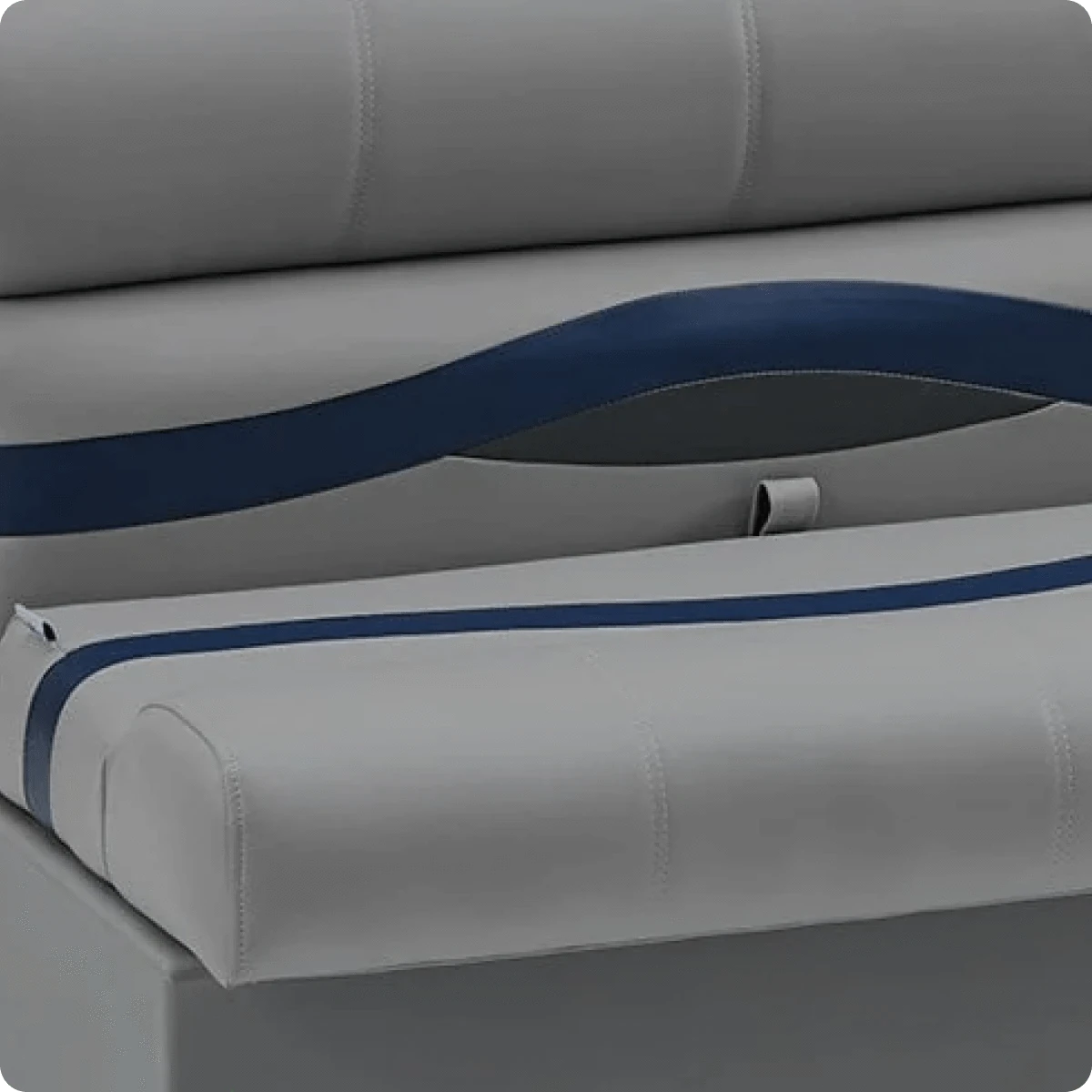
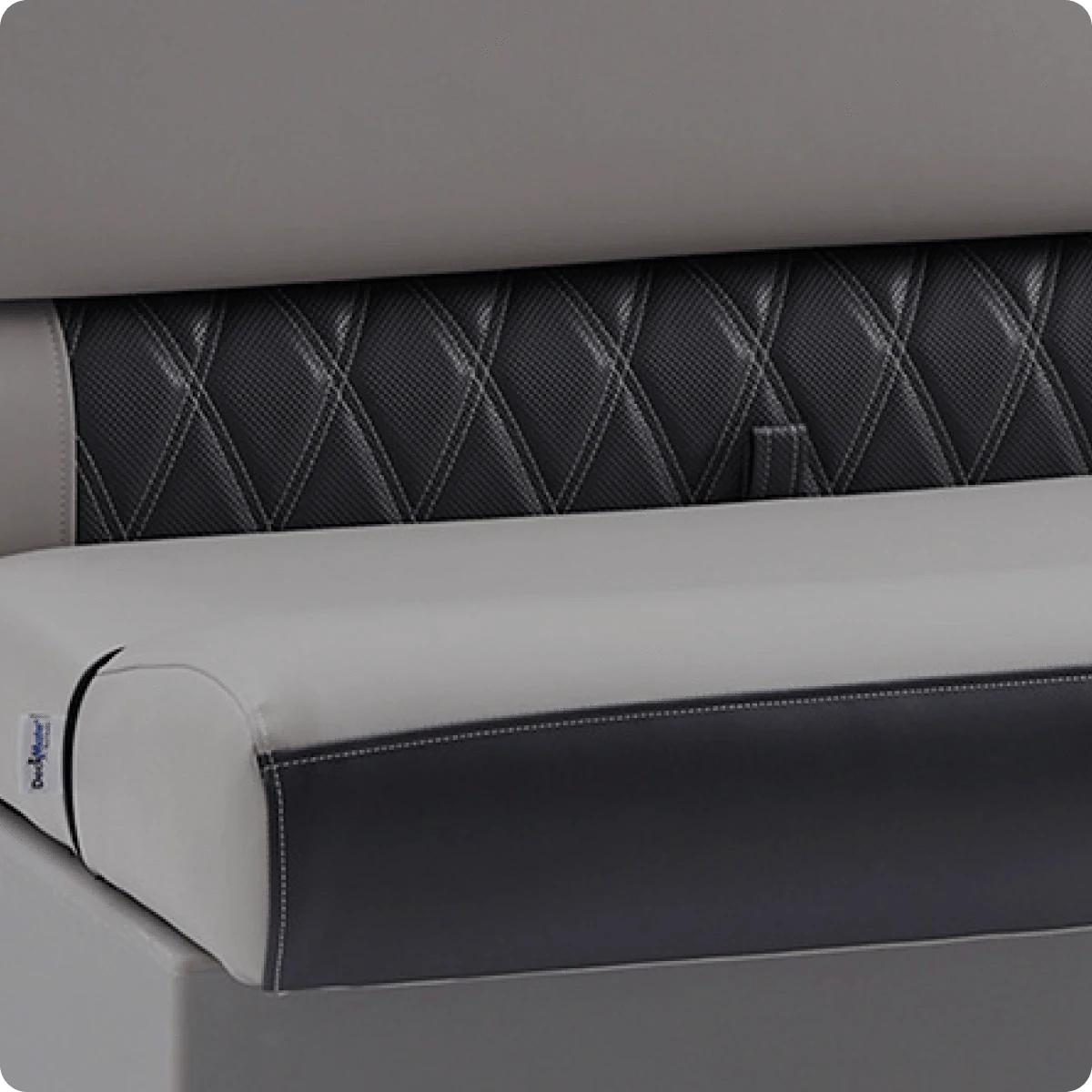
Installing New Furniture Without Fixing Moisture Problems
Worn upholstery is easy to spot, so it often becomes the first thing owners want to replace.
New seating won’t last long if trapped moisture, poor airflow, or drainage problems are still in place. The bigger problem could be poor cover storage, trapped moisture, weak airflow, or water collecting where it definitely should not.
Before you swap in new furniture, figure out why the old furniture wore out the way it did. Check drainage, cover condition, storage habits, and areas where moisture likes to hang around after rain or washing.
Fix that first, then upgrade the seating. Otherwise, you are giving the same problem a newer place to sit.
Treating Oxidation like a Looks-Only Problem
Oxidation is easier to manage early than after it has sat long enough to turn into a bigger cleanup job.
Pontoon tubes naturally oxidize over time, especially when the boat spends a lot of time in the water. At first, it might look dull and chalky. Leave it alone for too long, and cleaning becomes a much bigger job.
Use a cleaner made specifically for marine aluminum. Work in sections, scrub gently with a soft-bristle brush, and rinse well. Keep up with it instead of waiting until the tubes look like they spent the winter in a swamp.
Ignoring Marine Growth and Waterline Buildup
Waterline buildup and marine growth can hurt both appearance and performance if you let them pile up.
If your pontoon sits in the water for long stretches, algae, scum, mineral stains, and marine growth will build up around the waterline and lower tube surfaces. That mess can add drag and make the boat feel less responsive on the water.
Build tube cleaning into your regular routine, especially if you boat in saltwater or warmer conditions. A little upkeep along the way is much easier than fighting through a full season of buildup all at once.
Wasting the Open-Deck Stage
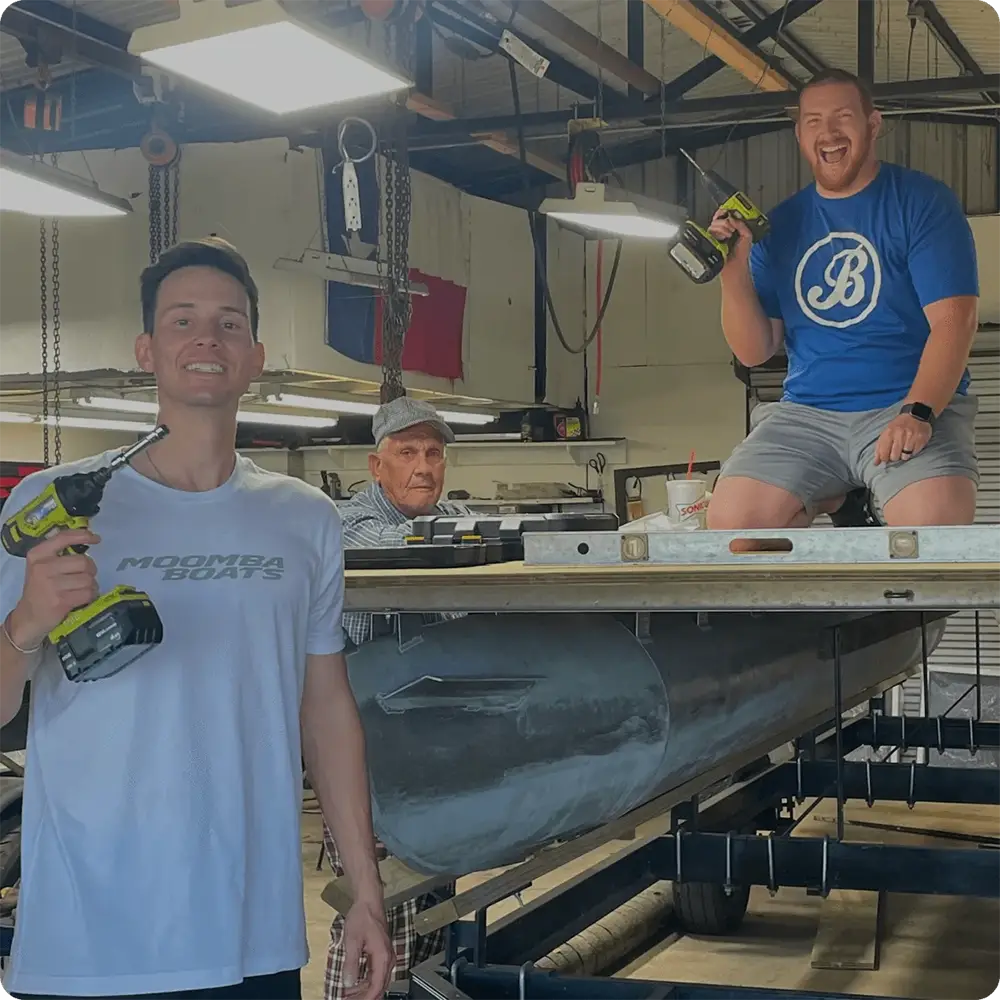
The open-deck stage is your best chance to handle hidden work before the job gets harder. This stage gives you clear access to wiring, mounting points, support areas, hardware, and measurements that are easier to handle before finished materials go down.
This is the time to slow down and take care of the jobs nobody sees, because those are often the ones that come back to haunt a rushed project.
Assuming the Renovation Is Done Once the New Parts Go On
A finished rebuild still needs simple maintenance if you want the new parts to last. The good news is that pontoon upkeep is usually pretty simple. Small routines like rinsing and wiping down surfaces and checking electrical components help keep small problems small.