



Renovation Guides
Pontoon Carpet vs. Vinyl
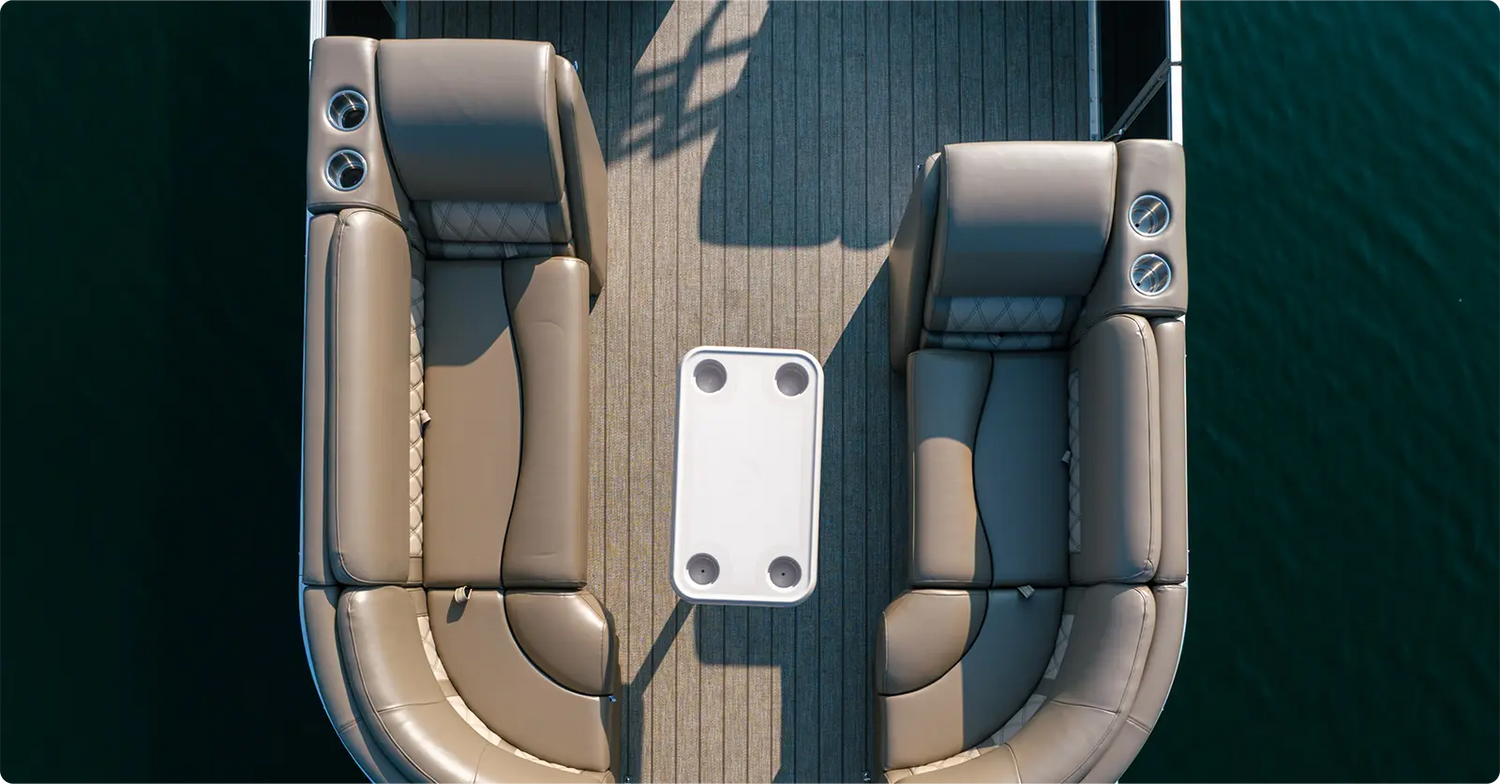
You’re ready to freshen up your pontoon, but the flooring choice can feel like a carpet vs. vinyl coin flip with consequences. Pick the wrong one, and you might end up scrubbing stains you hate or wishing the deck felt better under bare feet. Pick the right one, and your boat is easier to enjoy every single trip.
What Is the Best Flooring for a Pontoon Boat?
Pontoon carpet vs vinyl comes down to one tradeoff: comfort vs. convenience. Pontoon carpet is softer underfoot and costs less upfront. Vinyl handles moisture better and lasts longer. For most boaters who fish, have kids or pets, or want minimal cleanup, vinyl is the stronger long-term choice. For owners who mostly cruise, lounge, and want the softest deck possible, carpet still earns its place.
Pontoon Carpet vs. Vinyl: Pros and Cons
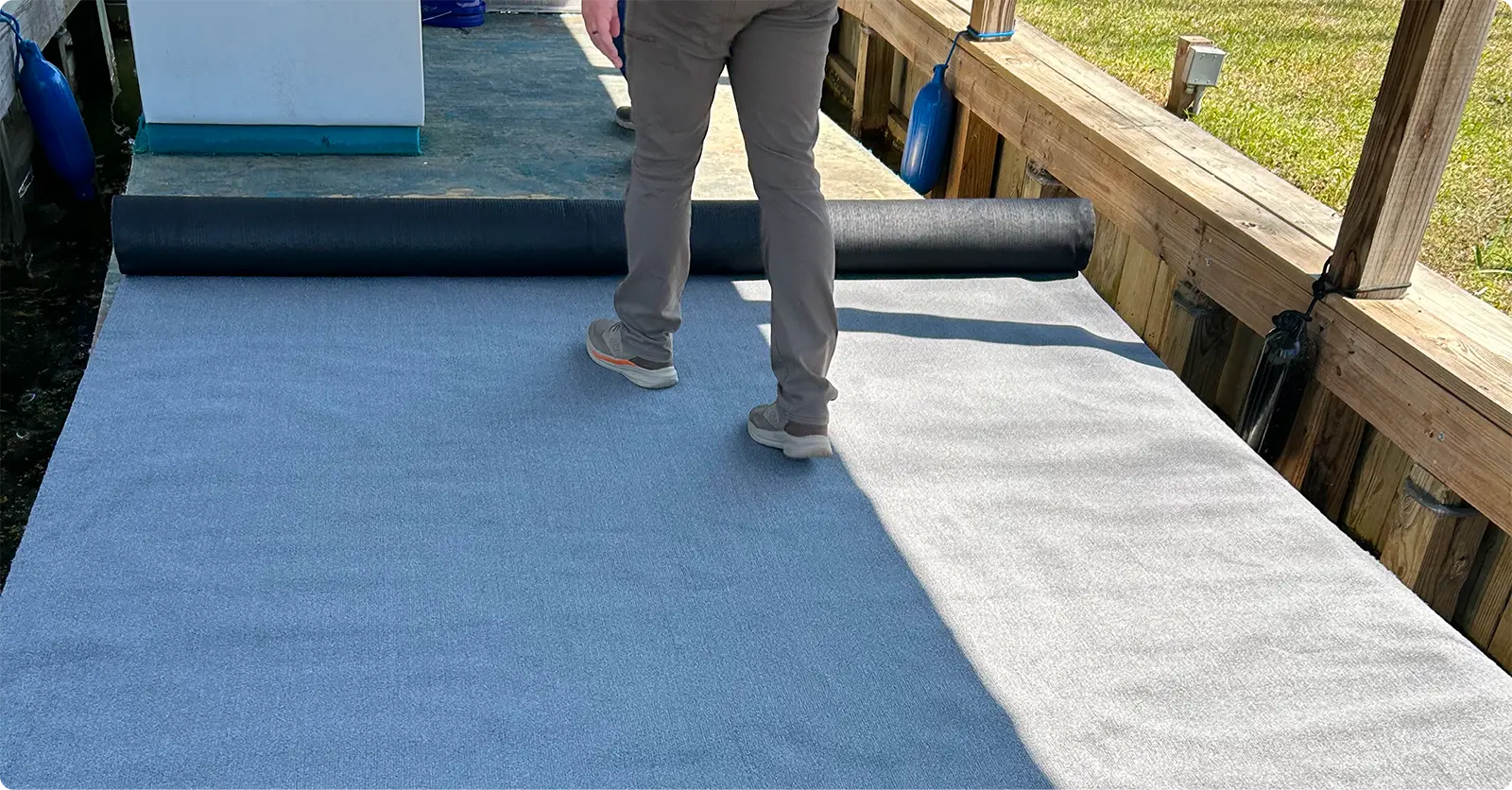
If you want the quickest possible answer, choose carpet for comfort and vinyl for convenience. Here’s a side-by-side comparison with more details:
| Flooring Type | Pros | Cons |
|---|---|---|
| Pontoon Carpet |
|
|
| Pontoon Vinyl |
|
|
When Pontoon Vinyl Is the Best Pontoon Flooring Replacement
Vinyl is usually the best option when your boat gets messy often, or you want cleanup to be simple. Many rebuilders switch to vinyl because it makes everyday ownership easier. Water stays on the surface instead of soaking in, and dirt and grime wipe away faster. At the end of the day, that can be the difference between a quick rinse and a longer cleanup job.
If your boat sees fishing tackle, dripping life jackets, snacks, dogs, kids, and plenty of traffic in and out of the water, Extreme Duty Vinyl Flooring usually handles that lifestyle better.
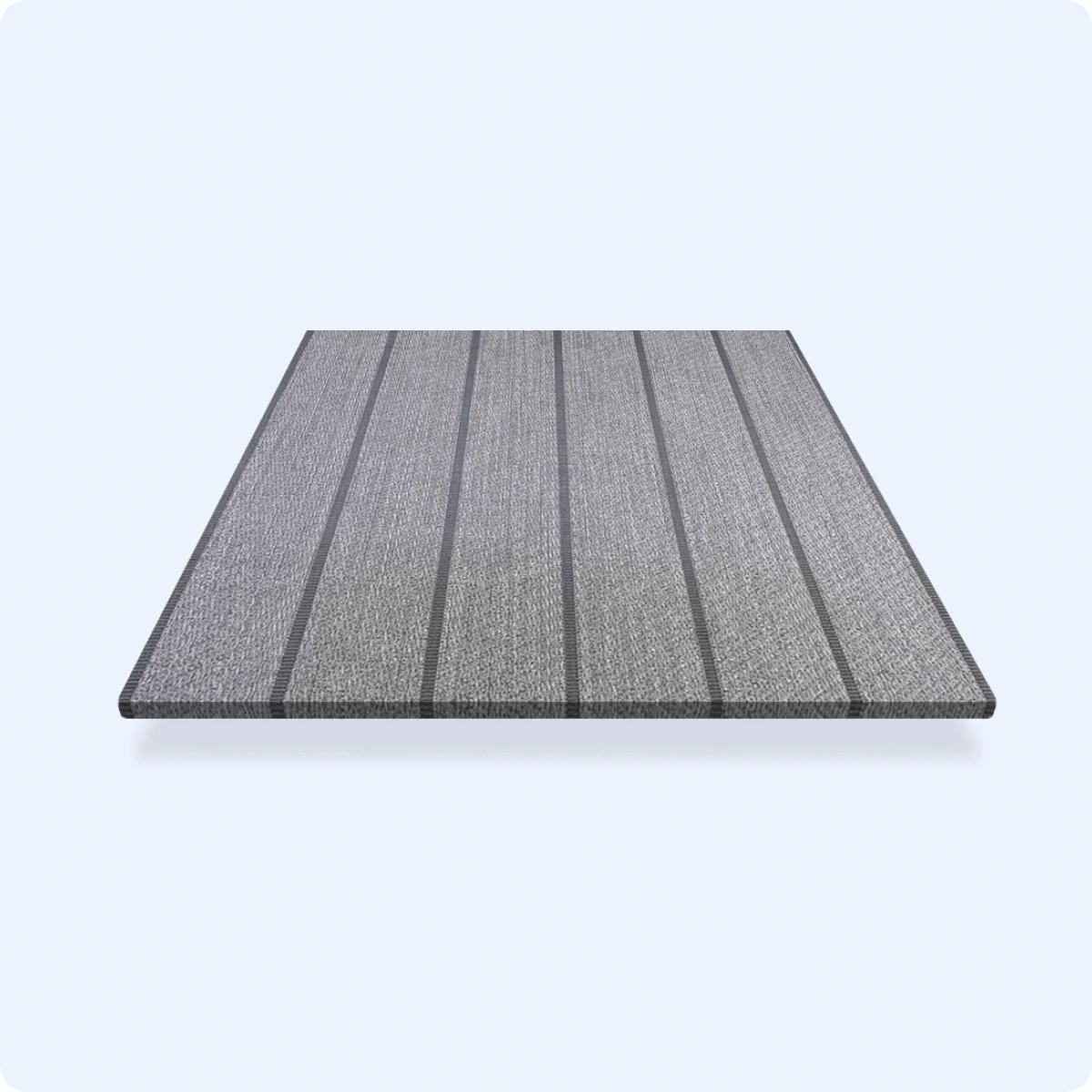
If you want something that bridges the gap between durability and a more premium look, Woven Vinyl Pontoon Flooring and Teak Woven Vinyl Flooring give you the easy-clean benefits of vinyl with a more finished, upscale look.
Vinyl Is Often a Good Fit If You:
- Fish often
- Want easier cleanup
- Boat with kids or pets
- Bring a lot of gear on board
- Want less routine upkeep
Vinyl May Be Less Appealing If You:
- Care most about soft comfort
- Want the most traditional pontoon feel
- Spend long stretches barefoot in strong sun
- Want to keep the project as low-cost as possible
How Long Does Pontoon Vinyl Last?
Pontoon vinyl often lasts 10 to 15 years, and sometimes longer with proper installation and care. A solid subfloor, marine-grade adhesive, regular cleaning, and protection from constant sun exposure can all help extend its life.
When Pontoon Carpet Is the Best Pontoon Flooring Option
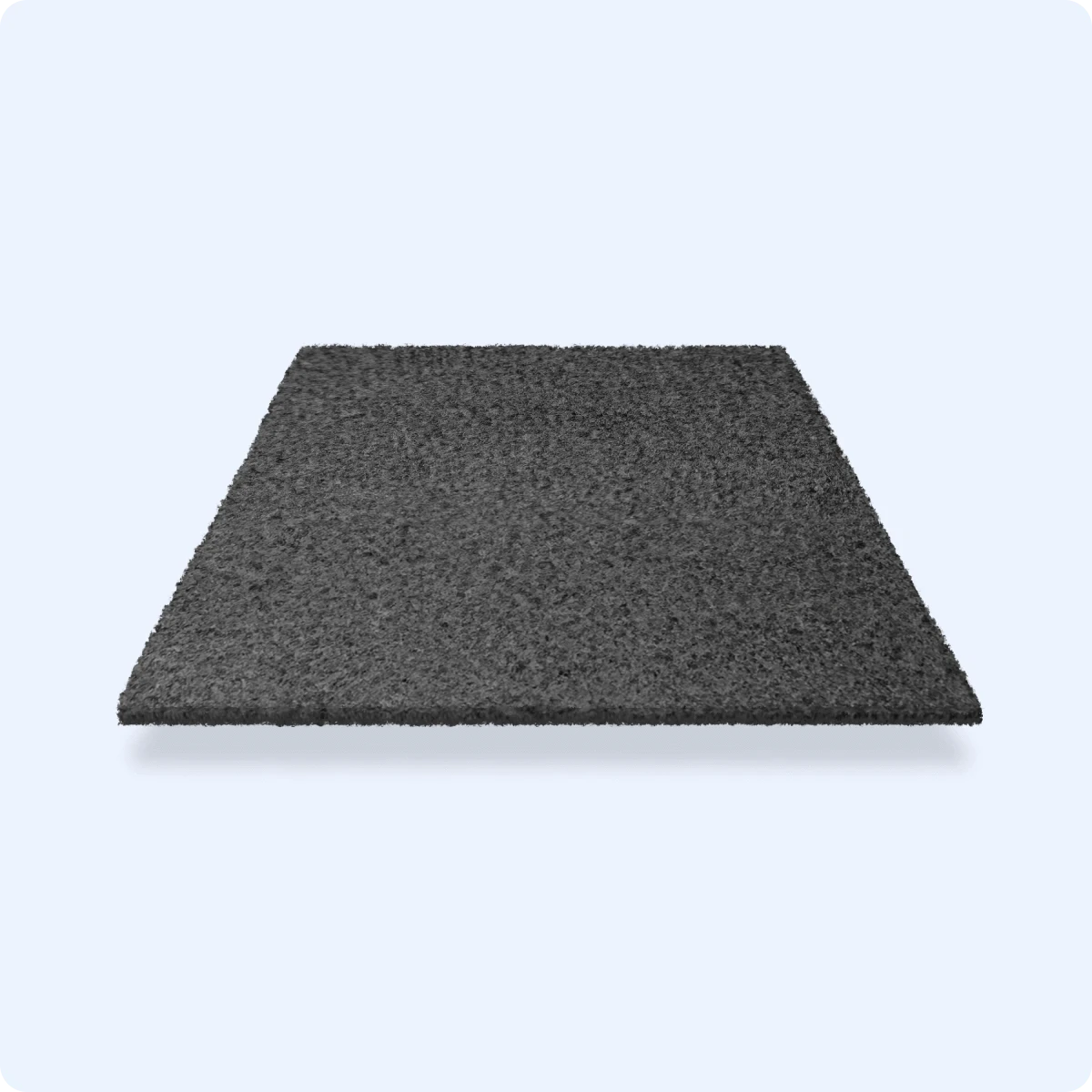
Carpet is usually the better pick when comfort is the top priority. There’s a reason carpet has been a staple on pontoons for years. It feels good. It softens the deck, makes barefoot movement more comfortable, and gives the boat that easygoing, kicked-back feel a lot of owners still want.
Marine carpet can also make sense if you're trying to keep your project's pricing under control. If you're already dealing with decking, hardware, furniture, or other upgrades, saving money on the flooring itself can help balance the budget.
Our 16oz Marine Carpet or 20oz Marine Carpet is a solid starting point. They give you a dependable, classic look without pushing the budget.
If you want a little more underfoot, the 20oz Textured Pontoon Boat Carpet adds texture and density, and the 24oz Pontoon Boat Carpet steps it up further for owners who want a noticeably thicker feel.
For the most plush option, the 28oz Luxury Pontoon Boat Carpet is as premium as marine carpet gets.
[VIDEO: https://www.youtube.com/watch?v=R_bo3kPobfQ]
Carpet Is Often a Good Fit If You:
- Mostly cruise and relax
- Want the softest feel underfoot
- Want sound buffering for footsteps when fishing
- Need the most traction
- Like the classic pontoon look
- Want to keep upfront costs lower
- Don’t mind a little extra cleanup
Carpet May Be Harder to Live with If You:
- Fish often
- Bring pets on board a lot
- Deal with spills and wet gear every trip
- Want fast cleanup at the end of the day
- Prefer a lower-maintenance setup
- Are hypervigilant about mold or underdeck
- You don’t cover your pontoon when not in use
How Long Does Pontoon Carpet Last?
Plan on 5-7 years, but expect less if the boat lives outside and sees heavy traffic, and expect more if it’s covered, cleaned, and dries well between trips. A few signs it’s time to replace it are fading, fraying, lingering mildew smell, stains that won’t come out, loose edges, or soft spots underneath.
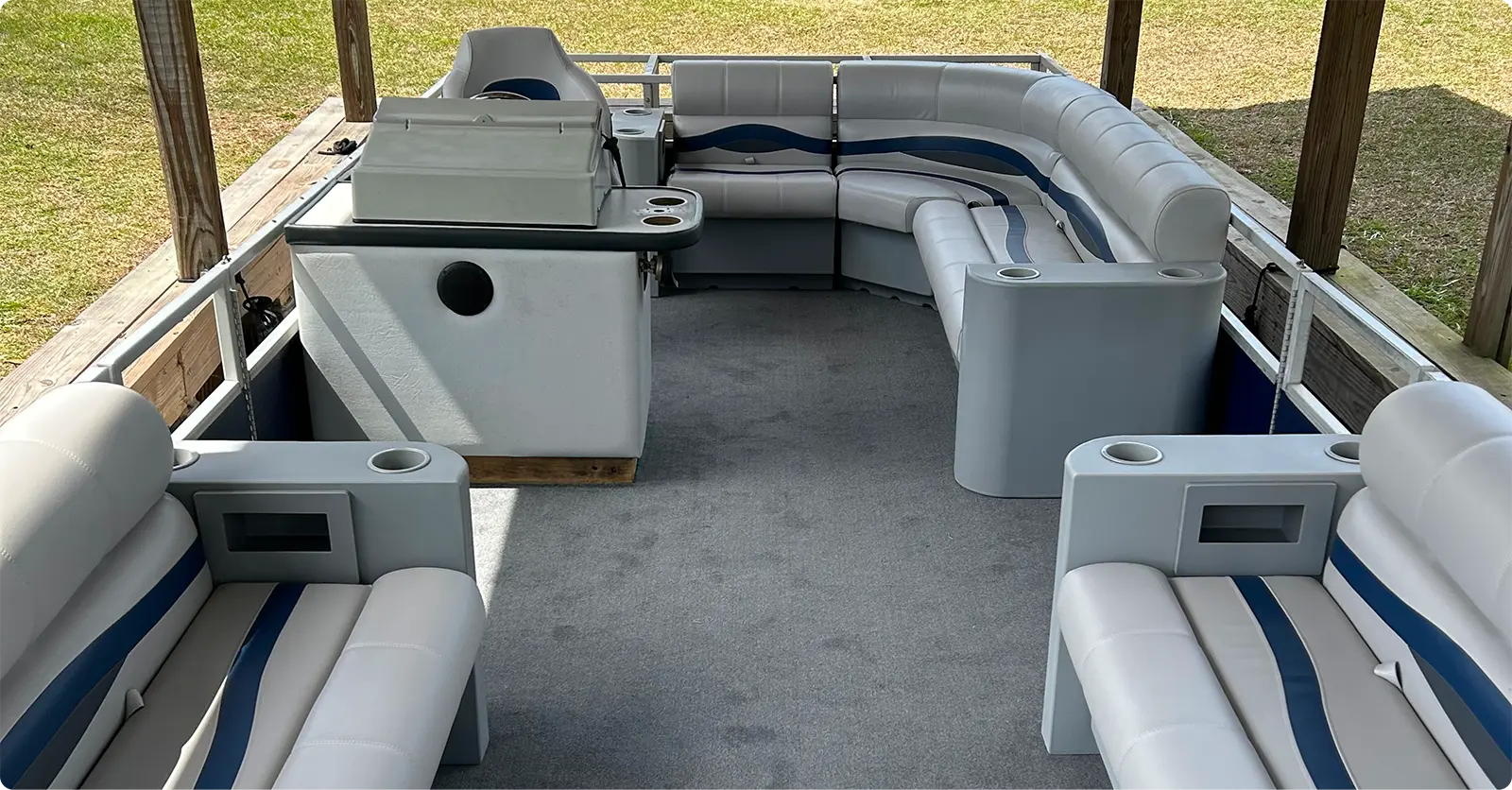
Can You Put Regular Carpet on a Pontoon Boat?
No. Regular carpet is made for dry indoor rooms, not open decks with wet feet, dripping gear, and long days in the sun. On a pontoon, it holds moisture longer, breaks down faster, and creates conditions that lead to mold and rot underneath. If you're redoing a pontoon floor, marine carpet is the right call.
What Is The Difference Between Marine Carpet and Regular Carpet?
Marine carpet is specifically made for the wet realities of boat life. Regular carpet is made for indoor life; and that distinction matters more than it might seem from a photo or a price tag.
Regular carpet may look similar on a roll, but it isn't built to dry quickly, handle UV exposure, or resist the mildew that follows trapped moisture on a boat.
Marine carpet is constructed to handle water, sun, dirt, and steady foot traffic without breaking down, and it dries fast enough that mildew and odor don't get a foothold the way they do with household materials.
The price difference between the two usually isn't significant enough to justify the tradeoff, especially when you factor in how much sooner you'd be replacing it.
How Much Does Pontoon Flooring Replacement Cost?
Pontoon vinyl flooring costs more up front than carpet, but the long-term value can look different once lifespan enters the picture. Vinyl is often about 2.5 times more expensive at the start, but because it can last longer than carpet, the cost per year may work in vinyl’s favor, especially if you would otherwise replace carpet every 5-7 years.
How Much Does It Cost to Replace Pontoon Carpet with Vinyl?
As a quick product comparison, 16 ft of our 16oz Pontoon Boat Carpet is $191.84 while 16 ft. of our Extreme Duty Pontoon Vinyl Flooring is $479.99, which is a $288 cost difference.
If you’re trying to keep the project budget in check, carpet can be the easier choice at the start. However, if you’re more focused on long-term goals, vinyl can be worth the higher buy-in.
All DeckMate carpet and flooring options are marine grade and protected by a 6-year warranty, including coverage for fading and deterioration. That means either option can be a solid choice.
It also helps to think about the whole project, not just the visible flooring. Ask yourself:
- Are you replacing flooring only, or the decking too?
- Are you doing a quick refresh, or a bigger rebuild?
- Do you want the lower price now, or less hassle later?
- Is your boat mostly clean and calm, or busy and messy?
Those answers usually matter more than the material price alone, especially in the long run.
How to Choose Between Pontoon Carpet and Vinyl
You can narrow this down pretty fast by looking honestly at how you use or plan to use your pontoon.
Step 1: Be Honest About the Mess
Think about what ends up on your deck during a normal trip:
- Mostly dry feet and casual cruising
- Some wet gear and the occasional spill
- Regular fishing mess, wet towels, snacks, dogs, and heavy traffic
If you’re in that last group, vinyl is usually the safer bet.
Step 2: Decide How Important Softness Is to You
You’ll feel the difference with every step. You may want the deck to feel as soft as possible or you might prioritize function and cleanup. If comfort is at the top of your list, carpet still has a clear edge.
Step 3: Think About Cleanup at the End of a Long Day
This is the real test. When you’re tired, maybe a little sunburnt, and loading up to head home, do you want the easiest cleanup possible? Or are you okay with doing a little more work if the floor feels better every time you use the boat?
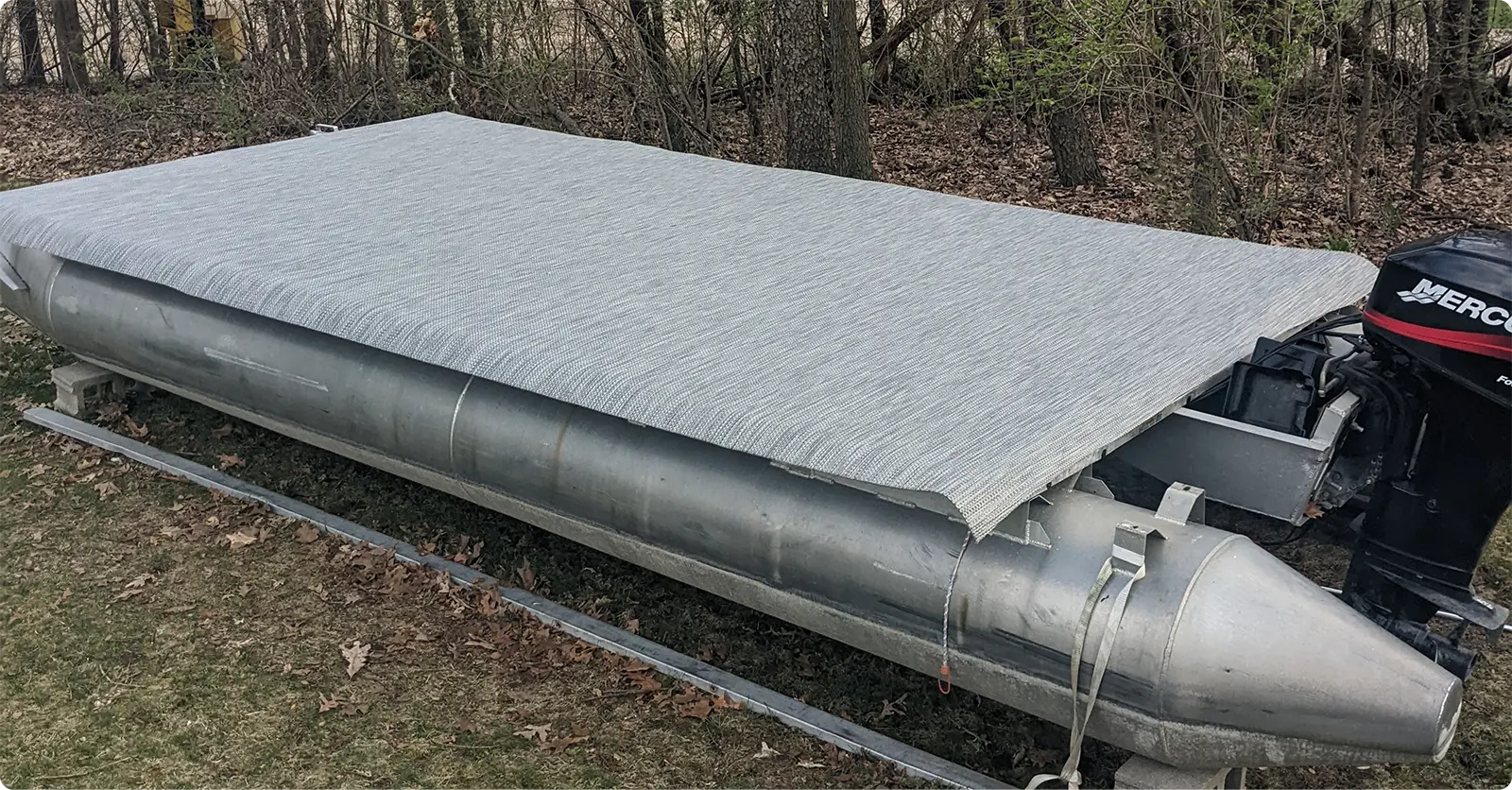
Steps to Plan Your Flooring Project
A little planning up front makes the whole job smoother:
- Measure the deck carefully: Get solid numbers before you compare flooring, kits, or colors.
- Check the decking underneath: If the structure below the flooring needs attention, it’s better to know now rather than after materials show up.
- Write down your top priorities: Comfort, cleanup, cost, durability, and appearance are usually the big ones. Think about how often the boat gets wet or dirty and how much sun the floor gets.
- Think about who uses the boat most: Anglers, kids, pets, and frequent guests all change what the best flooring looks like.
- Pick the material before the color: That keeps the project simpler and helps you avoid getting hung up on looks before the bigger decision is made.
Tips for Pontoon Flooring Installation
A few smart choices up front can help your new floor last longer and look better:
- Use marine-grade materials: Use flooring made for boats, not household materials. Marine-grade products are built for moisture, sun, and foot traffic.
- Give moisture a way out: Good drainage and airflow help prevent mildew, trapped moisture, and that damp, musty smell nobody wants on a pontoon.
- Use the right tools: If you’re doing the job yourself, use marine-approved adhesive and the right installation tools for the flooring you chose. It’s a small detail that makes a big difference.
- Replace the subfloor if needed: If the subfloor is old, soft, or damaged, replacing it is usually the smarter move. A new floor is only as good as what’s under it, and an old subfloor can shorten the life of the job.
For a step-by-step walkthrough, see our pontoon flooring replacement guide.
What Is the Easiest Pontoon Flooring to Install Yourself?
Carpet is generally the more forgiving DIY install. It's easier to cut, reposition if something's off, and doesn't require as much precision along edges and seams.
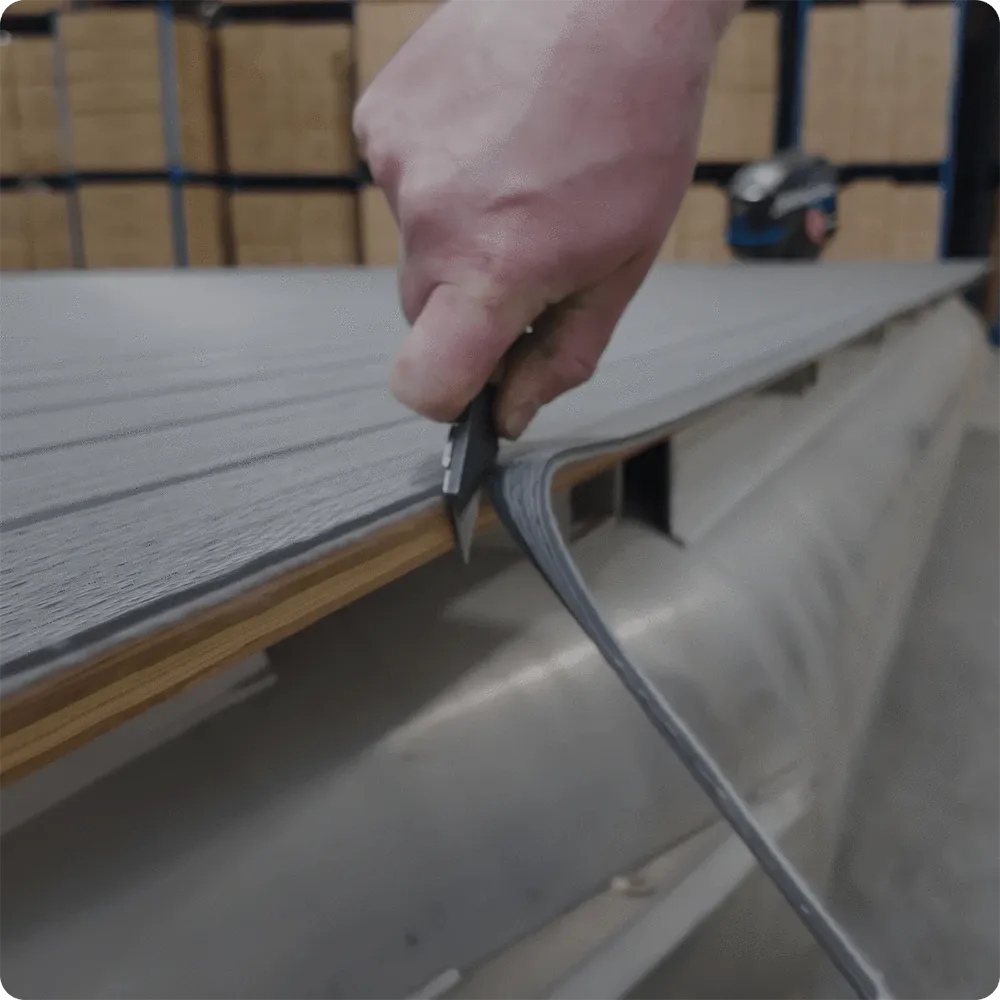
Vinyl looks cleaner when it's done right, but seams and edges are less forgiving of mistakes, and bubbles or lifting can show up if the surface prep isn't solid.
If it's your first time doing a pontoon floor, carpet gives you more room for error. Either way, a clean subfloor and the right adhesive matter more than the material itself.
Our Pontoon Flooring Replacement resources can walk you through the DIY process. If flooring is one step of a larger pontoon renovation project, PontoonStuff can help every step.
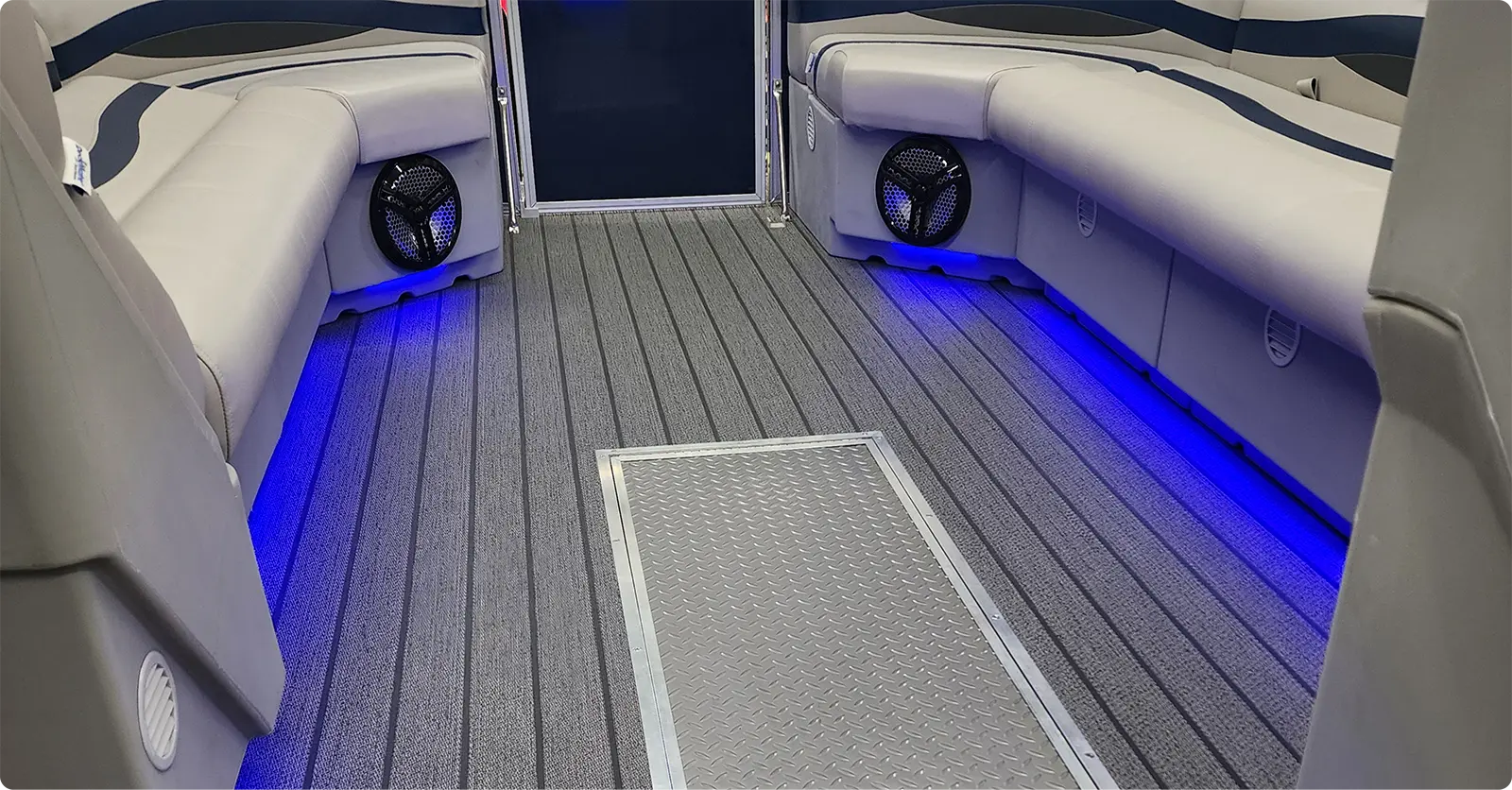
Is It Better to Have Carpet or Vinyl on a Pontoon?
Pontoon carpet vs vinyl is really a choice between comfort-first flooring and cleanup-first flooring. Neither one is automatically better for every boat. The right choice depends on how you use your pontoon.
Carpet makes a pontoon feel softer and more relaxed. It’s nice under bare feet, it gives the deck a familiar look, and it fits the kind of boat that’s mostly about cruising, lounging, and hanging out with family and friends.
Vinyl handles water better, wipes down faster, and doesn’t ask for as much attention after a long day on the water. If your floor sees more traffic, more mess, and more wet gear, that starts to sound like a pretty strong factor pretty quickly.
If you’re ready to tackle the project, PontoonStuff has marine carpet, pontoon vinyl flooring, and deck kits to help you move from planning to installing with confidence.
Pontoon Carpet vs. Vinyl FAQs
How Long Does Pontoon Flooring Last?
Pontoon flooring life depends heavily on the material and how the boat is stored. In our experience, pontoon carpet often lasts 5-7 years with normal use, while vinyl usually lasts longer—up to 15 years—when it is installed well and cared for properly. Your personal climate, storage habits, and use will impact the longevity of all parts of your pontoon, including the flooring.
What's the Most Durable Pontoon Boat Flooring?
Marine-grade vinyl is generally the most durable pontoon flooring, with a 10-15 year lifespan when installed and cared for properly. Woven vinyl lasts well too, though they cost more upfront. Marine carpet is comfortable but typically needs replacing every 5-7 years.
What Is the Alternative to Carpet on a Pontoon Boat?
The most common alternative to carpet on a pontoon boat is vinyl flooring. Vinyl is popular because it is easier to clean, handles wet conditions better, and usually needs less upkeep over time. If you want something that feels a little more upgraded, woven vinyl is another option worth looking at.
Is Vinyl Flooring Good for Boats?
Yes, vinyl flooring is a good option for boats, especially if you want easier cleanup and lower-maintenance ownership. It works well for pontoons that see fishing gear, wet feet, pets, kids, spills, and regular traffic. The main tradeoff is that it is usually firmer underfoot than carpet, so the better choice depends on whether you care more about comfort or convenience.
Pontoon Carpet vs. Vinyl for Fishing?
For fishing, vinyl is the easier call. Bait, wet tackle, fish slime, and rinse-down cleanup are all easier on a surface that doesn’t hold onto mess. For mixed-use boats, the choice usually comes down to one question: which will bother you more? A floor that is less cushioned, or a floor that is harder to clean?
Can You Install Pontoon Flooring over Old Flooring?
It's not recommended. Installing over old flooring hides whatever is underneath. If there's moisture, soft spots, or rot under the existing material, you won't find out until it becomes a bigger problem. A new floor is only as good as what's under it, and skipping that step is one of the more common reasons a flooring job doesn't last as long as it should.