



Maintenance & Care
How To Winterize A Pontoon Boat: Preparing Your Boat For Cold Weather
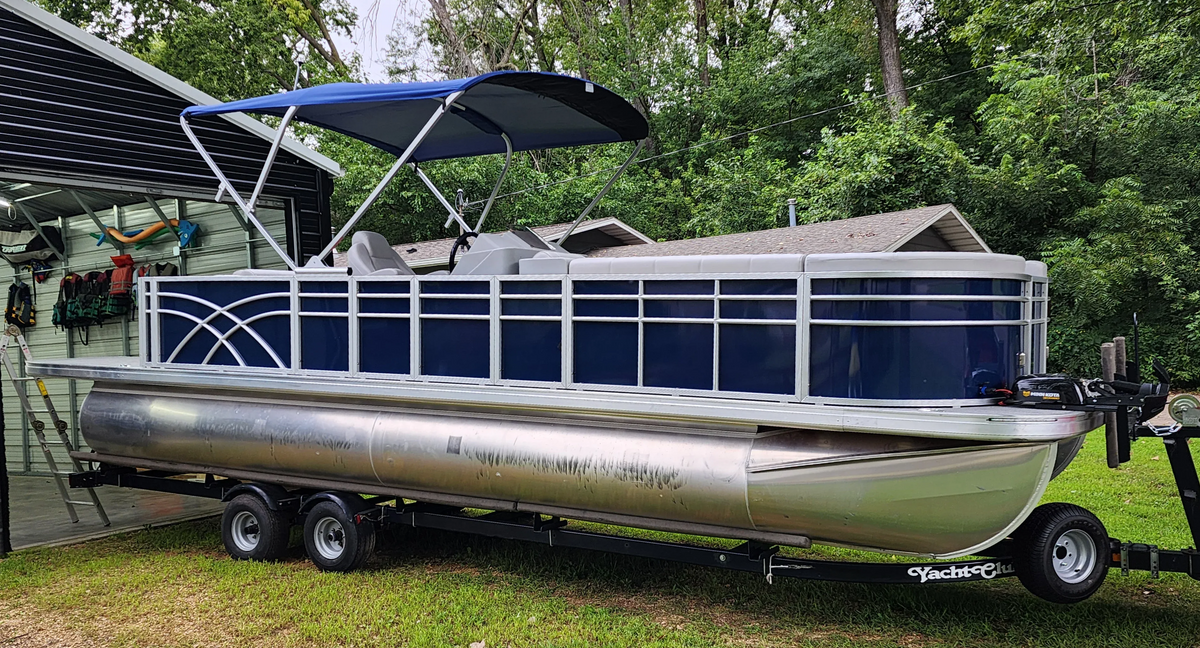
Pontoon winterization is the process of getting your boat ready for the colder winter months. A little preparation now can help protect the engine, prevent electrical damage, and keep your seats, flooring, and other components in good condition while your boat is stored. Preparing your pontoon for the winter can also be a great opportunity to take care of maintenance that might be overlooked during boating season, when you'd rather be on the water than in the garage.
How to winterize depends on where you live, how you store your pontoon, and what kind of engine and onboard components you have. For example, an outboard motor stored in a mild climate has different needs from an engine that will sit outdoors through months of snow and ice. Given different climates and pontoon models, the first step is to identify what needs attention on your particular boat and work through those items before cooler weather makes maintenance more difficult.
Whatever your region and boat model, the following tips will get you started with pontoon winterization.
When To Winterize Your Pontoon Boat
The best time to winterize your pontoon depends on your local climate. Instead of waiting for the first cold days, plan to finish your winterizing tasks while the weather is still pleasant enough to work outside.
Starting early also gives you time to order replacement parts, service the engine, and address problems you discover during cleaning and maintenance. If you live somewhere with unpredictable fall weather, leave yourself a little extra time to work through the steps below.
Use this general schedule to get you started:
- Several Weeks Before Storage: Review the engine and boat manuals, inspect the pontoon, gather supplies, and arrange any professional maintenance.
- Before The Weather Turns Cold: Complete the engine and fuel-system procedures, protect batteries, and drain or winterize water-holding equipment.
- When Preparing For Storage: Clean the boat, dry the interior, remove loose gear, and secure the cover.
- Throughout Winter: Check the cover and storage area periodically, clear excessive snow when safe, and watch for moisture, pests, or other signs of trouble.
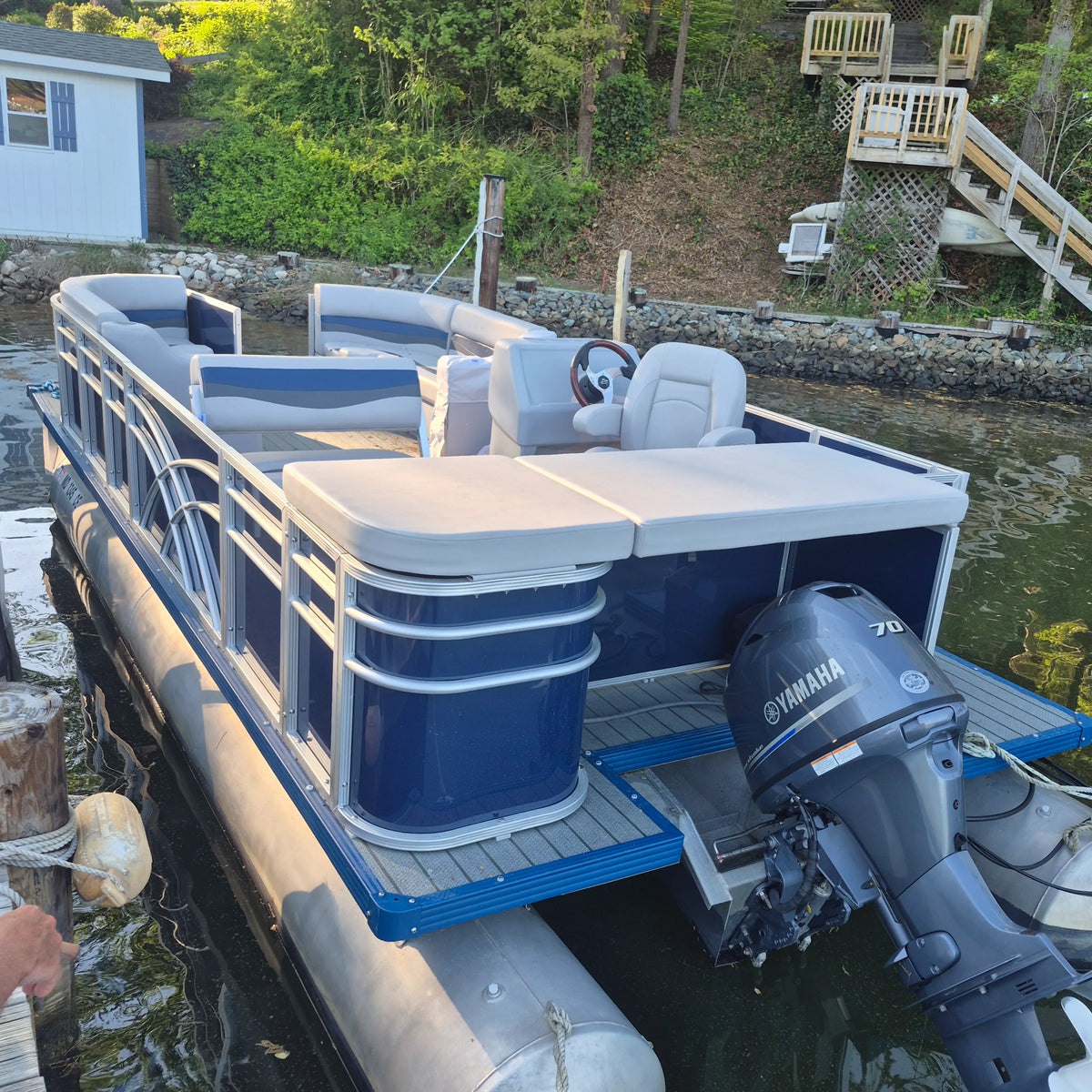
Pontoon Boat Winterization Checklist
Not every pontoon requires exactly the same maintenance, but the following checklist covers the major areas to review before storing your pontoon. Use this list as a starting point, then add any requirements specific to your engine, onboard equipment, and specific storage solution.
| Area | Winterization Tasks | What You're Preventing |
|---|---|---|
| Engine | Complete required service and follow the manufacturer's storage procedure | Corrosion, lubrication problems, and avoidable engine damage |
| Fuel System | Treat fuel when appropriate and inspect lines, filters, and connections | Fuel deterioration, frozen lines, and problems when restarting |
| Battery | Inspect, charge, and prepare for storage | Premature battery failure and electrical problems |
| Cooling System | Flush or drain as directed and provide freeze protection where required | Cracked components and freeze damage |
| Plumbing And Pumps | Drain water and winterize applicable systems | Split hoses, damaged pumps, and cracked fittings |
| Pontoon Tubes | Clean, inspect welds and brackets, and check for damage | Worsening corrosion or damage going unnoticed |
| Seats And Flooring | Clean surfaces and remove trapped moisture | Mildew, staining, and material deterioration |
| Canvas And Covers | Clean, dry, inspect, and store or secure properly | Mildew, tears, and weather damage |
| Electrical Components | Inspect wiring, terminals, lights, and accessories | Corrosion, rodent damage, and electrical failures |
| Storage Area | Arrange suitable support, ventilation, drainage, and pest prevention | Moisture buildup and avoidable storage damage |
Inspect Mechanical and Electrical Components
Engine
With such a long checklist, deciding where to begin can be daunting. The engine is a great place to start because its winterization requirements may be more involved than the boat's other systems.
If you plan to have a marine technician winterize your engine, make an appointment before the end-of-season rush. If you are new pontoon maintenance but would like to winterize your engine without a technician, begin with the owner's manual. Outboards, sterndrives, and inboard engines have different requirements, and even engines of the same general type may not require the same procedures.
Depending on the engine, winter maintenance can include changing oil and filters, inspecting the lower-unit lubricant, checking hoses and connections, and protecting internal components against corrosion. Review your pontoon's service schedule to determine which items are due rather than replacing everything automatically.
Fuel System
Checking and preparing your pontoon's fuel systems is also essential. Gasoline can deteriorate during storage, and fuel containing ethanol can be particularly problematic when water contamination occurs. Inspect the fuel lines, connections, and filters for deterioration or leaks.
If your engine manufacturer recommends a fuel stabilizer, use one approved for your fuel and engine and follow the product's instructions for use. Whether to leave the tank full or partially filled depends on the tank design, fuel type, and manufacturer's recommendations.
Electrical System
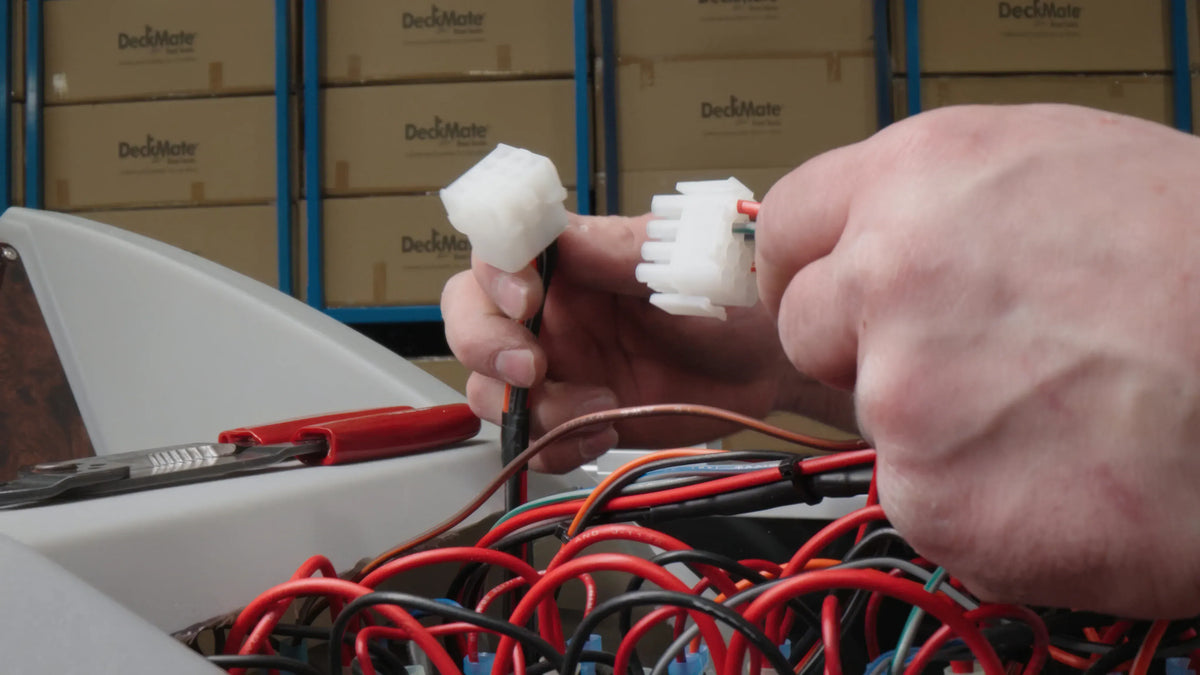
Finally, checking the electrical system is an important step in making sure your pontoon is ready to lauch next season. Even with the best outdoor-rated components, a boat that sits unused for several months can end up with a dead battery or compromised wiring if not properly tested before storage.
Start by checking the battery terminals and cables for corrosion, loose connections, or damage. Follow the battery manufacturer's recommendations for charging and storage. Depending on the battery type, winter removal might be recommended.
While you're checking the electrical system, also make a list of electrical accessories that need repair. If a navigation light, gauge, bilge pump, or stereo is malfunctioning, repairing or replacing it now will save time next spring, when you're ready to get back on the water.
Thoroughly Clean and Inspect Your Pontoon
Exterior
The outer surfaces of your pontoon face the elements most during boating season, and can benefit from a thorough cleaning and inspection. Start by washing the deck, fencing, rails, and pontoon tubes using cleaners appropriate for the materials. Remove accumulated grime and inspect the surfaces as you work.
Be sure to carefully clean an inspect the aluminum tubes. Look for new dents, deep scratches, corrosion, damaged brackets, and signs of leakage. Minor cosmetic wear is common, but damage near welds or mounting points should be addressed before storage, if possible. If the tubes are stained or oxidized, use an aluminum-specific cleaner and polish to bring back their shine. Follow the product instructions and avoid aggressive abrasives that could damage the surface. Dull and corroded aluminum tubes can often be restored to like-new condition with proper cleaning and maintenance.
As you clean the exterior, take the opportunity to check out-of-the-way areas, such as the underside of the frame. If you find persistent dampness, unexplained water accumulation, or significant structural damage, you'll be able to address them before winter, avoiding making repairs over spring weekends when you could be on the water.
Interior
Your pontoon's interior can be vulnerable to moisture during winter, especially when the boat is left covered and unattended. The best preparation is to remove dirt and debris before storage and give the interior a chance to dry thoroughly. Work through each area with a soft brush, garden hose, and marine-safe cleaners to remove the season's mud and grime.
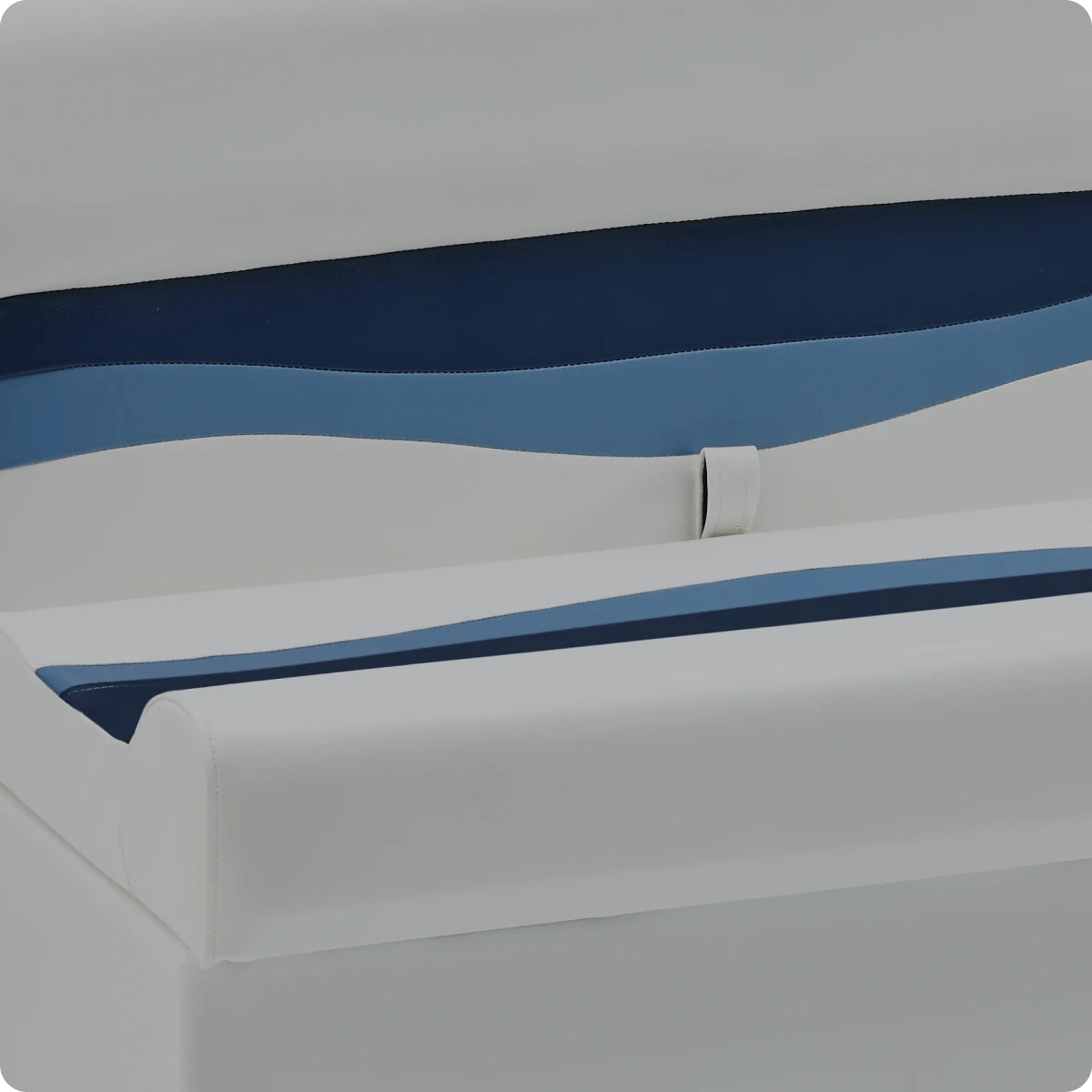
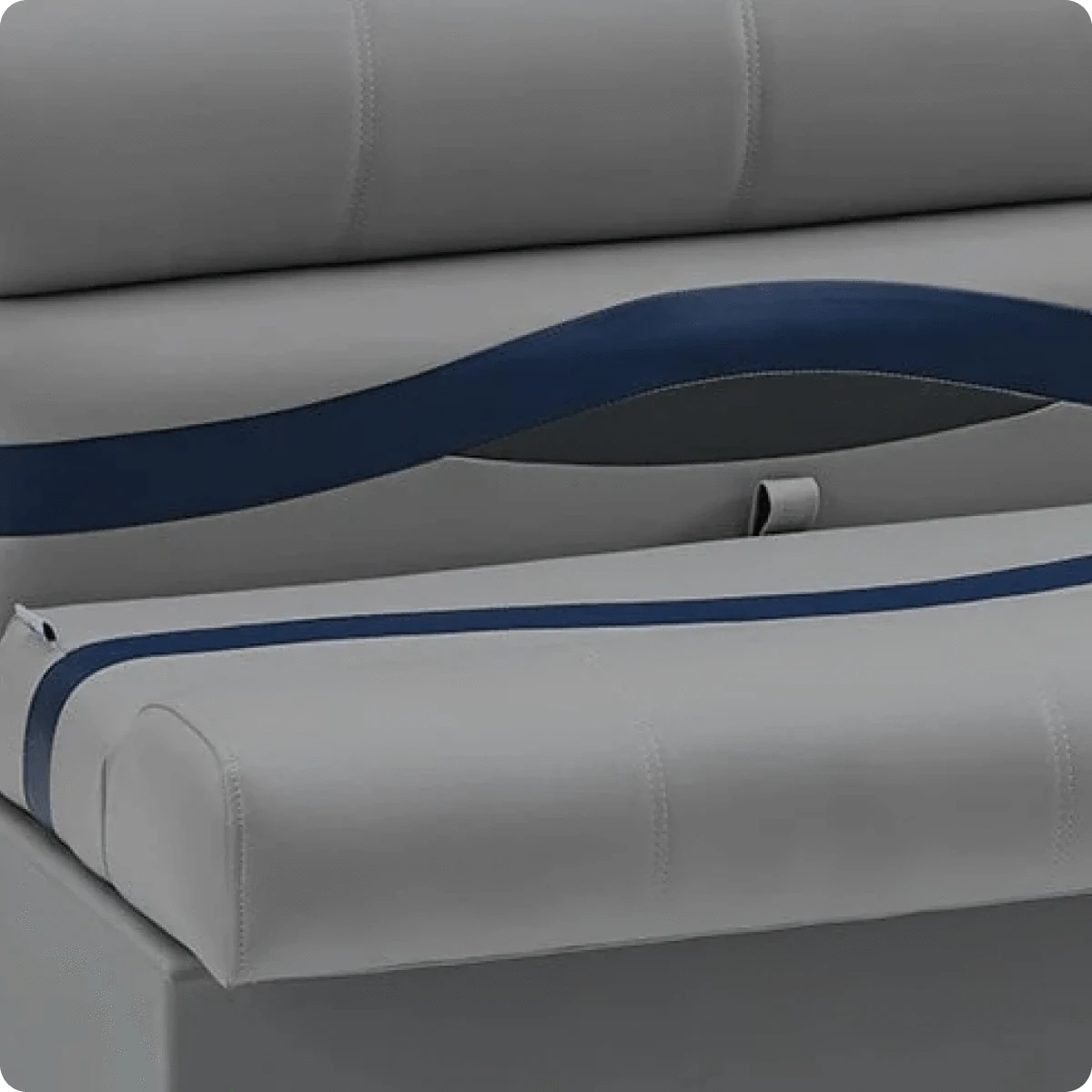
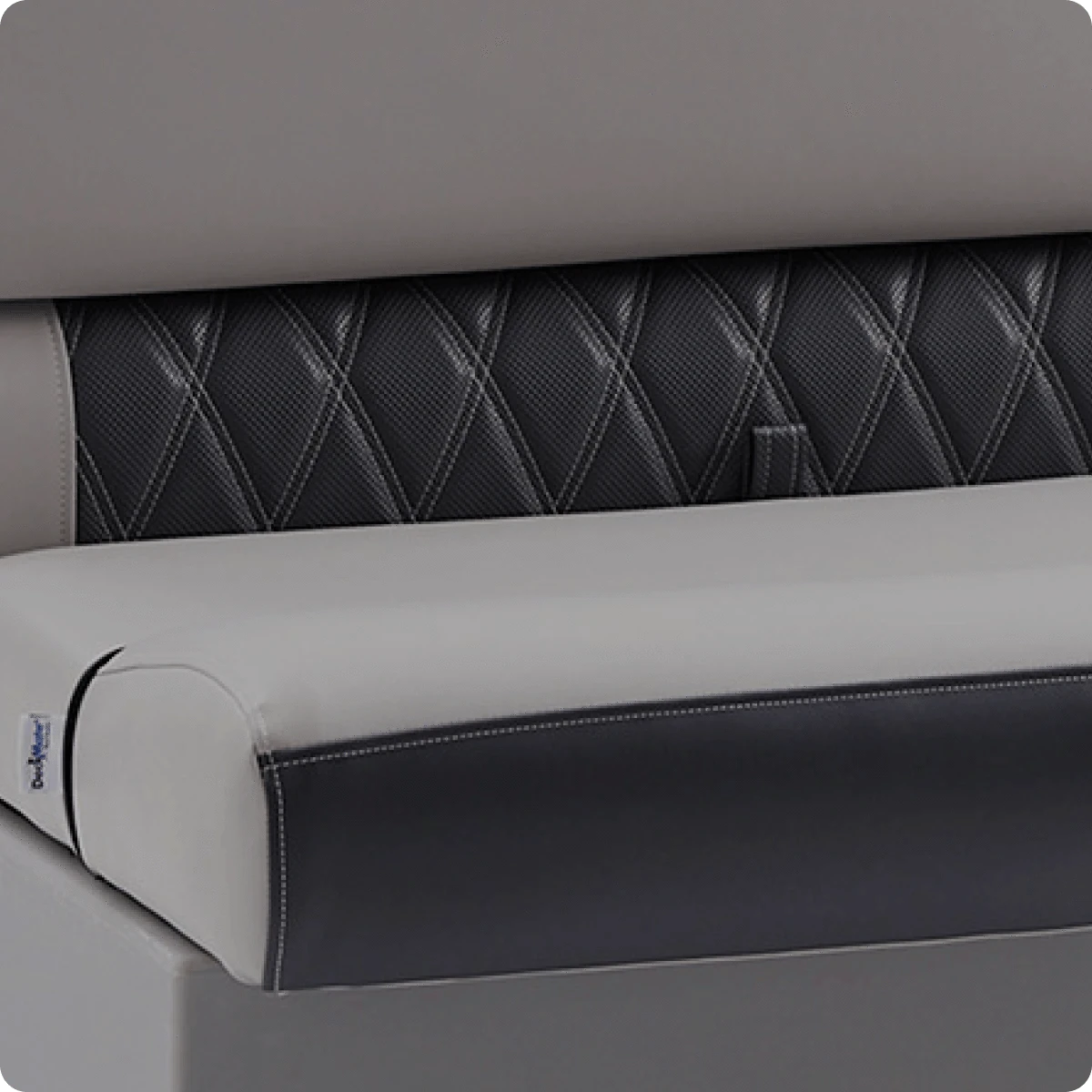
Before cleaning, removing food, drinks, personal belongings, fishing equipment, and anything else that could attract pests or retain moisture over the winter. Empty the storage compartments and check beneath cushions and inside seat bases. Deceide whether to remove and store cushions separately. If you plan to keep the cushions with the boat, pontoon seat covers can help prolong the life of the vinyl.
Clean vinyl upholstery with a marine vinyl cleaner and follow the manufacturer's recommendations for applying protectant. Avoid harsh household cleaners that may dry out or damage the material.
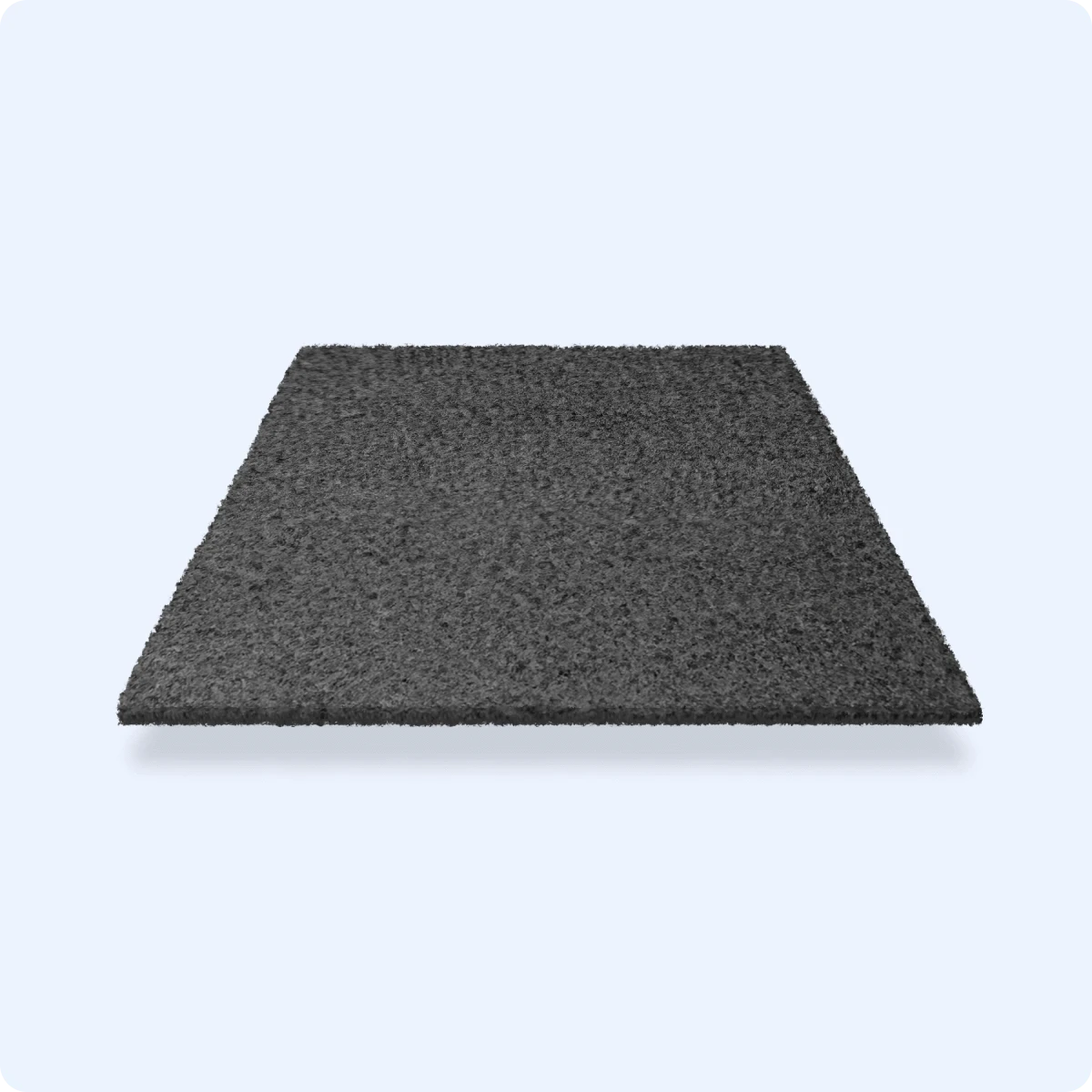
If you have marine carpet, clean with marine-safe carpet cleaner and make sure it dries completely before the boat is covered.
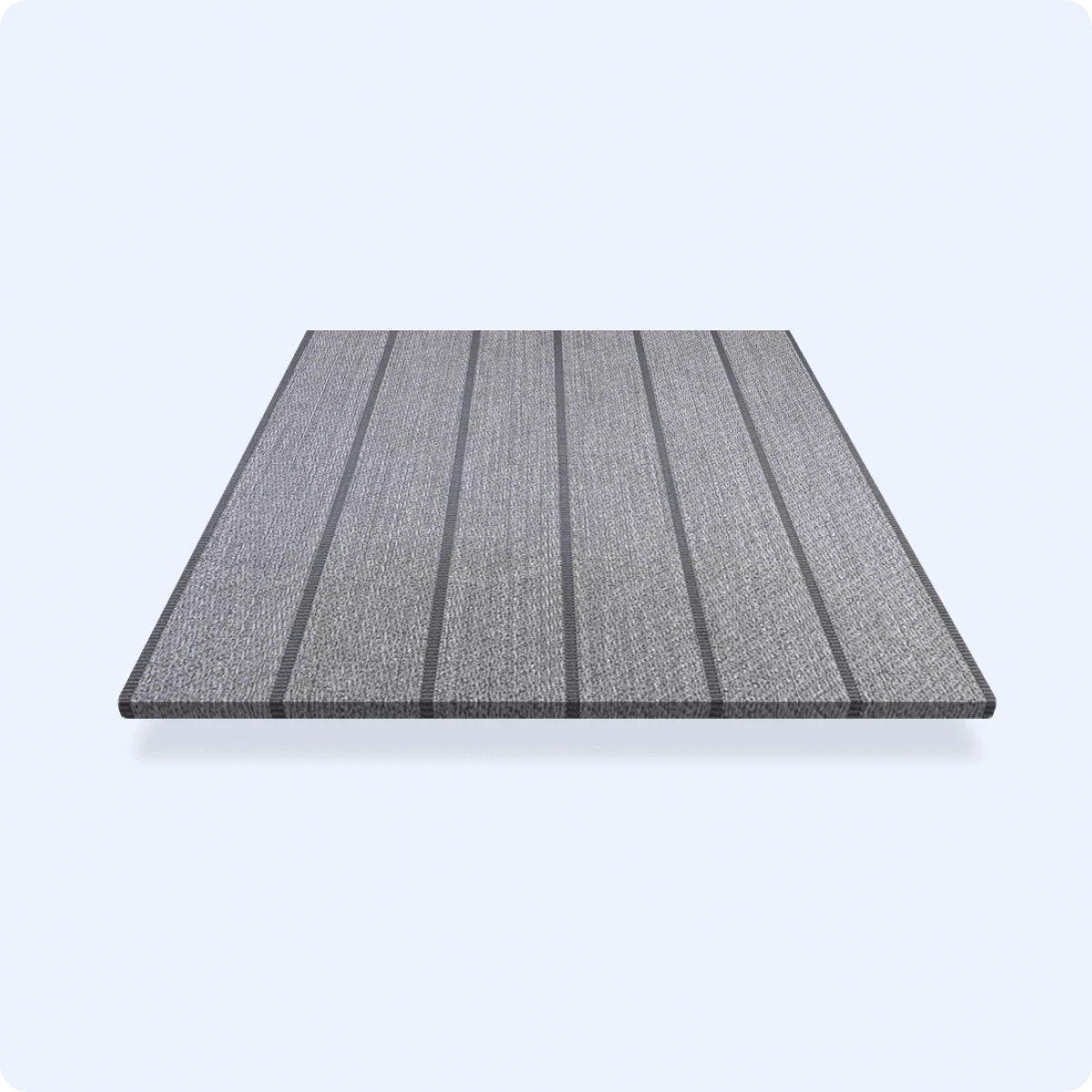
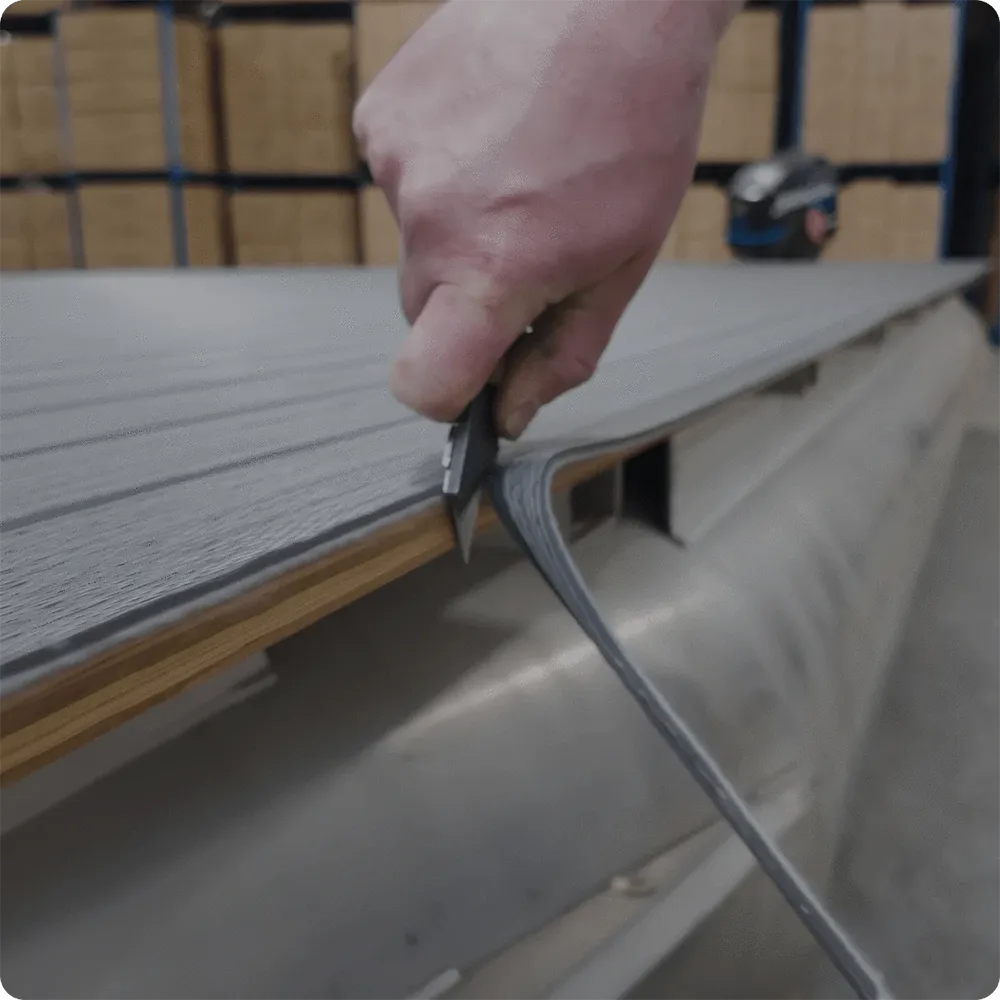
For vinyl or woven vinyl flooring, remove dirt and debris from seams and corners with a soft brush or broom. Check for lifted edges, cuts, staining, or areas where water tends to collect.
While cleaning, inspect the seats and interior components for:
- Cracked vinyl or damaged seams
- Loose seat pedestals and mounting hardware
- Worn flooring or damaged edges
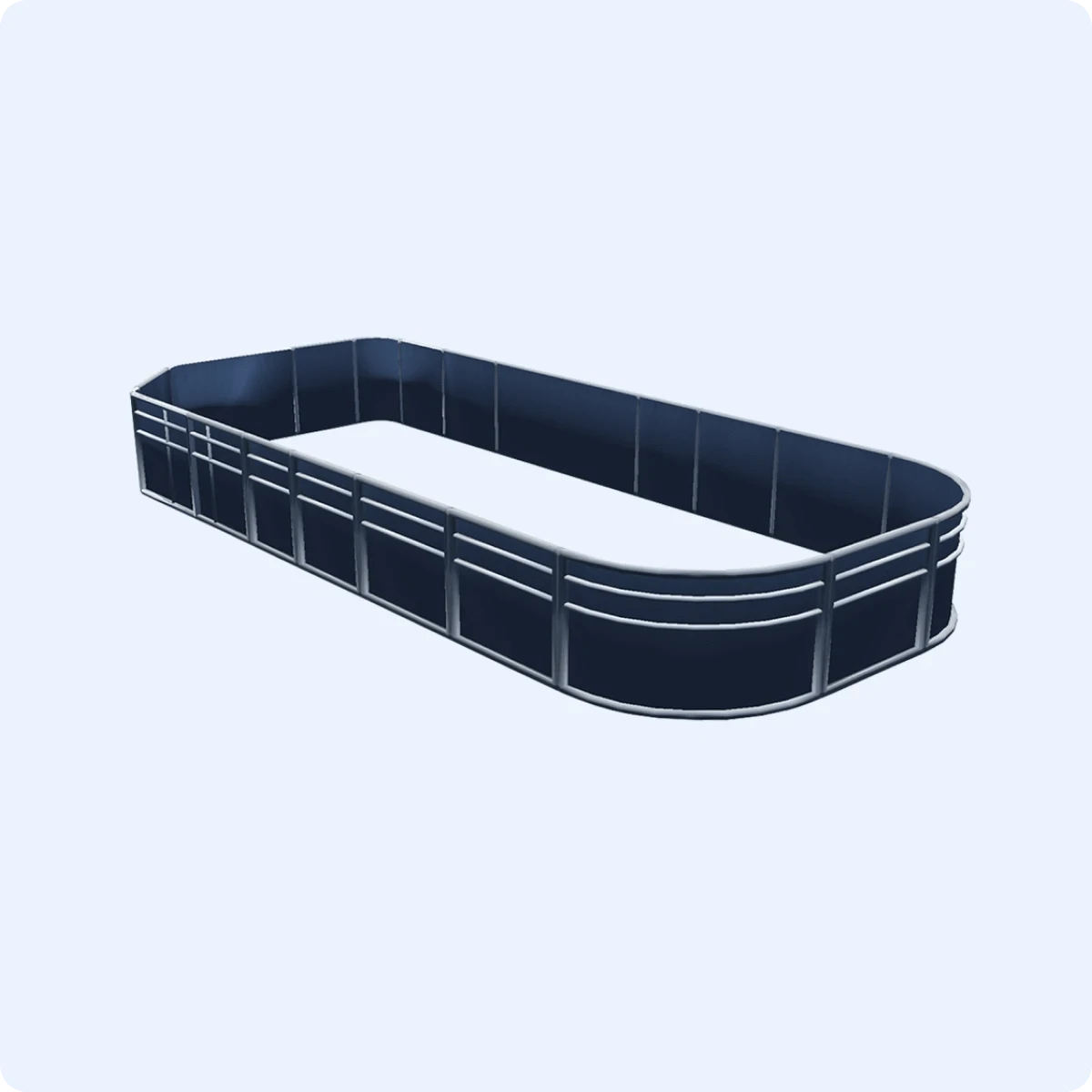
- Cracked fencing panels or loose rail fittings
- Stiff or damaged gate latches
- Corrosion around hinges and fasteners
- Soft spots in the deck
- Signs of rodents or moisture damage
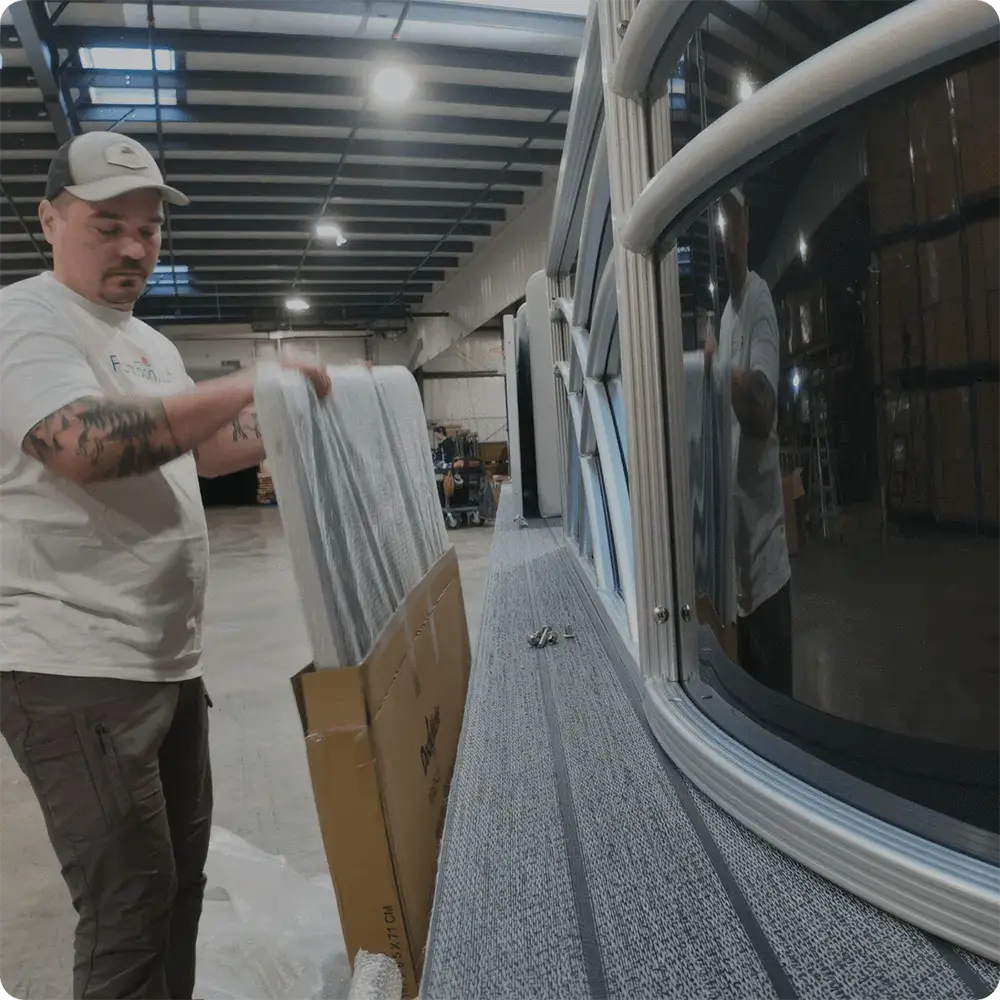
If your seats, flooring, or other interior components are nearing the end of their useful life, winter can be a great time to plan a renovation project. You'll have more flexibility to measure, compare materials, and complete the pontoon refurbishment without missing out on spring and summer boating weather.
Prepare The Bimini Top And Boat Cover
Bimini Top
Bimini tops and covers also need preparation before storage. Leaving damp fabric folded or allowing moisture to collect beneath a bimini can encourage mildew and damage the material over time.
Inspect your bimini top, storage boot, and any enclosure panels for torn seams, damaged zippers, loose fittings, and bent frame components. Clean the fabric with mild dish soap and a soft bristle brush, then allow it to dry fully before folding or storing it.
If you intend to leave the bimini installed over the winter, check that its frame and fittings are secure and that the top is positioned according to the manufacturer's storage recommendations.
Boat Cover
For the boat cover, look for worn straps, loose fasteners, tears, and areas where water might collect. A cover that fits properly and sheds water is much more useful than one that simply keeps leaves off the seats.
It's a good idea to repair or replace a damaged cover before storing your boat. Using a damaged cover over the winter can allow months of rain, snow, and debris to reach your seats, flooring, and electrical components.

Choose A Good Winter Storage Setup
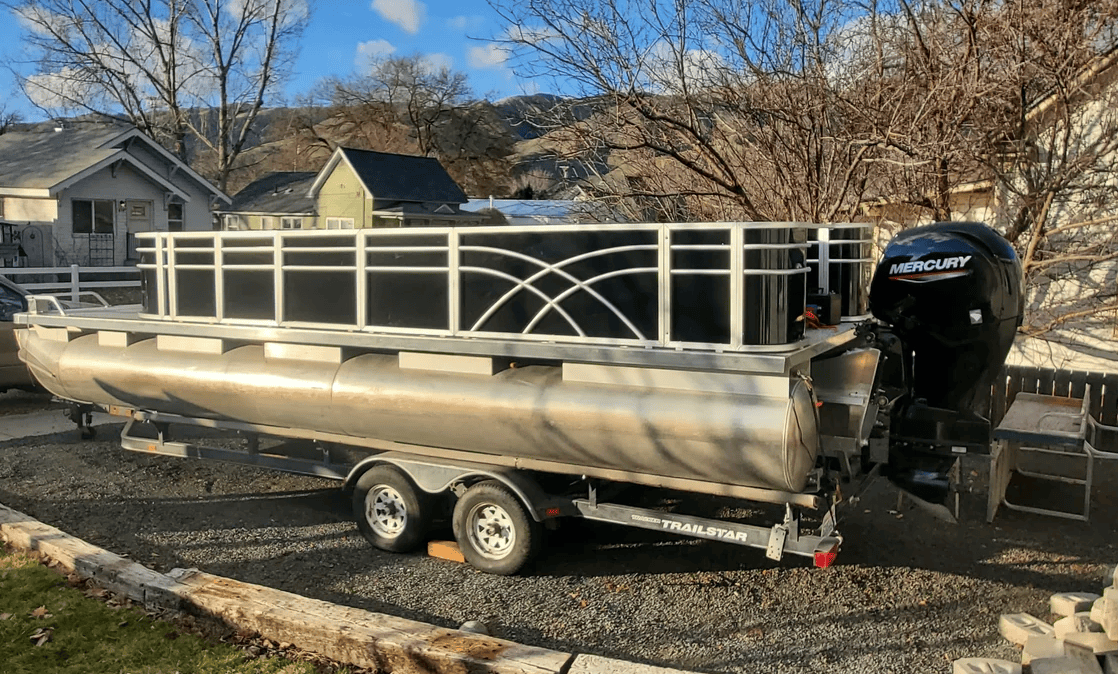
Where you store your pontoon affects how much attention it will need during the winter. Indoor storage generally offers more protection from precipitation and temperature fluctuations, while outdoor storage can work well when the boat is properly winterized and covered, especially in milder climates.
If your pontoon will be stored outdoors, make sure the cover fits well and doesn't sag so water and snow won't accumulate in low spots. Secure the cover according to the manufacturer's instructions, and check that straps are not putting excessive pressure on railings or other fittings.
Also keep the following in mind:
- Ventilation: Allow for appropriate airflow to help reduce trapped moisture and mildew.
- Drainage: Avoid storage arrangements that will allow rainwater to collect on the deck or beneath the cover.
- Snow: Check the cover after significant snowfall and remove excessive accumulation, provided it is safe to do so.
- Pest Prevention: Keep the storage area clean and remove food, debris, and other materials that could attract rodents or insects.
- Trailer Support: Follow the trailer manufacturer's recommendations for long-term storage, including tire care and safe support of the frame.
- Security: Depending on the storage location, lock or secure the boat and remove valuables to mitigate the risk of theft while your boat is unattended.
If you are storing the boat on a trailer, inspect the trailer before the boat is put away. Check the tires, lights, winch strap, coupler, safety chains, bunks, and other components for damage. You may also want to review the trailer's maintenance schedule and address any service that is due.
For more tips, check out our guide to pontoon boat storage.
Get Ahead On Next Season's Pontoon Projects
Winter storage doesn't have to mean putting maintenance projects on hold. In fact, it can be the perfect time to work on the improvements that are easy to overlook during boating season.
If you found worn upholstery, damaged flooring, aging fencing, or loose hardware during your inspection, take measurements and research replacement options while the boat is out of the water. You can also plan larger restoration projects, compare materials, and order parts before the spring rush.
PontoonStuff offers replacement seats, flooring, fencing, hardware, and other components for pontoon owners who want to repair or update their boats. Our restoration resources can also help you plan projects and work through the details of a DIY renovation.
With your next project underway, spring pontoon season will be here before you know it!
Pontoon Boat Winterization FAQs
What Does It Cost To Winterize A Pontoon Boat?
The cost depends on the engine, onboard equipment, local climate, and how much work you plan to do yourself. Basic supplies and routine maintenance may be relatively inexpensive, while professional engine service or specialized winterization can cost more. It's best to get an estimate based on your specific engine and equipment before making a maintenance plan.
Can You Winterize A Pontoon Boat Yourself?
Yes, many owners can handle tasks such as cleaning, inspecting the interior, protecting the battery, and preparing the boat for storage. Engine and cooling-system procedures require more care because they vary by model. If you are unsure how to protect complex systems from freezing or corrosion, consult the owner's manual or have a marine technician handle those tasks.
Do All Pontoon Boats Need Antifreeze In The Engine?
No. Many outboard motors are designed to drain cooling water when stored in the manufacturer's specified position. Other engine types may require draining procedures or antifreeze protection. The correct approach depends on the engine design, so follow the manufacturer's instructions.
Should You Leave Your Pontoon Boat Covered All Winter?
A suitable cover is generally helpful when storing a pontoon outdoors. It should fit securely, shed rain and snow, and allow appropriate ventilation. Check the cover periodically for tears, loose straps, pooled water, and excessive snow accumulation. If the boat is stored indoors, a cover may still be useful for keeping dust and debris off the interior.
How Do You Keep Mold From Forming on Pontoon Boat Seats During Winter?
Before storage, clean the upholstery with a suitable marine cleaner and allow it to dry completely. Also make sure carpet is dry and remove other cloth or porous materials (such as towels or coats) that might retain moisture. Check beneath cushions and inside seat bases for trapped water. Proper ventilation and a cover that prevents water intrusion can also help reduce the risk of mold and mildew.
Should You Remove The Battery When Winterizing A Pontoon Boat?
It depends on the battery type, boat setup, and storage conditions. Some batteries can remain installed if they are properly maintained, while others should be disconnected and stored in an external location. Follow the battery manufacturer's instructions for charging, storage temperature, and maintenance. If you use a battery maintainer, make sure it is compatible with your battery.
What Happens If You Don't Winterize A Pontoon Boat?
Skipping winterization can lead to a range of problems, including freeze damage to water systems, engine corrosion, deteriorating fuel, battery failure, mildew, and damage from moisture or pests. The risks depend on the climate and storage conditions, but preparing the boat before cold weather arrives can help prevent avoidable repairs.
Any other questions about winterizing or refurbishing your pontoon? Reach out to our team.